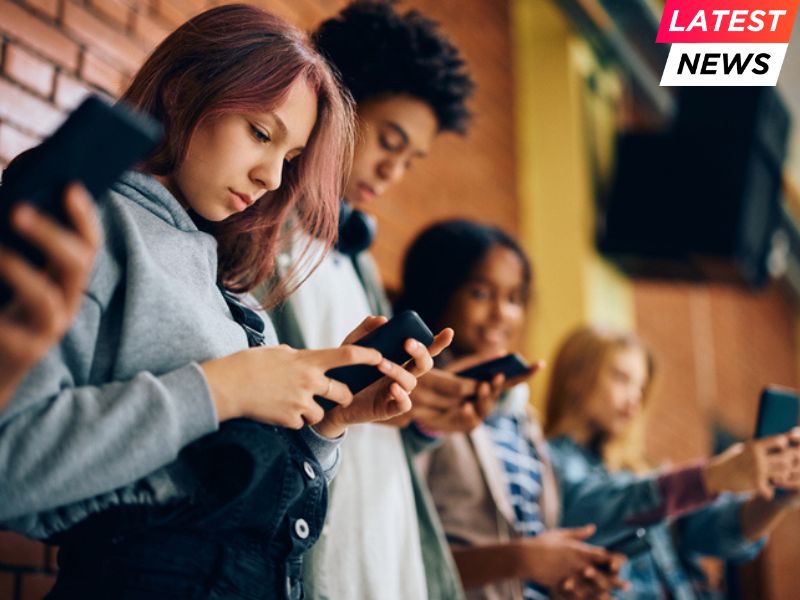
Australia has introduced the world’s first comprehensive restriction preventing children under sixteen from accessing major social media platforms, including TikTok, YouTube, Instagram, and Facebook. Ten leading services must comply or risk fines of up to A$49.5 million ($33 million).
X, owned by Elon Musk, confirmed it would follow the law, stating: “It’s not our choice – it’s what the Australian law requires. X automatically offboards anyone who does not meet our age requirements.” Platforms are expected to use a combination of age verification tools, including behavioral analysis, selfies, official documents, and bank-linked checks.
The legislation affects roughly one million young users. In the hours before it came into effect, many teens shared goodbye messages on social media. One wrote, “No more social media… no more contact with the rest of the world,” while another posted, “#seeyouwhenim16.”
Prime Minister Anthony Albanese praised the reform as a milestone for families, calling it “one of the biggest social and cultural changes that our nation has faced.” He encouraged children to pursue offline activities, saying, “Start a new sport, new instrument, or read that book that has been sitting there for some time on your shelf.”
The government highlighted studies showing that social media overuse among young teens can negatively affect mental health, contributing to cyberbullying, misinformation exposure, and harmful body image pressures. The law has drawn international attention, with countries including Denmark, New Zealand, and Malaysia considering similar policies.
Social media companies warned the restrictions could reduce user growth and disrupt advertising pipelines. The Australian government reported that 86 percent of children aged eight to fifteen were active on social platforms before the ban. Some young people also voiced concerns about social isolation. Fourteen-year-old Annie Wang said, “It’s going to be worse for queer people and people with niche interests I guess because that’s the only way they can find their community. Some people also use it to vent their feelings and talk to people to get help … So I feel like it’ll be fine for some people, but for some people it’ll worsen their mental health.”
Albanese framed the legislation as a global benchmark for online safety, stressing the importance of balancing child protection with free expression and technological innovation. “It’s a profound reform which will continue to reverberate around the world,” he said.
For social media businesses, the law marks a significant structural shift with long-term implications for engagement, revenue, and the development of future users. Australia now functions as a live test case for other nations seeking to regulate digital platforms while protecting minors.
Related Readings: