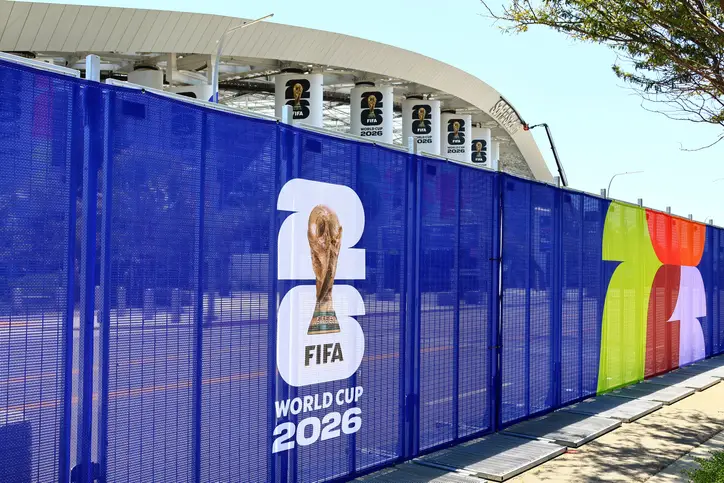
FIFA World Cup 2026 is changing the matchday routine before most fans even reach a seat. The tournament runs from June 11 to July 19 across 16 host cities in the United States, Canada, and Mexico, with 48 teams and 104 matches. Heat, travel distance, stadium security, hydration, and digital ticketing now sit beside team news on the World Cup travel guide. FIFA initially tightened bottle rules, then adjusted its position after criticism, allowing fans at U.S. and Canadian venues to bring one factory-sealed soft-plastic water bottle of up to 20 ounces (590 ml). Hard reusable bottles remain banned. That small detail changed the tone.
Matchday Planning Now Starts Before the Gate
The World Cup fan experience has become a planning exercise, especially for supporters traveling between airports, fan zones, security lines, and stadium gates. A 3 p.m. kick-off in Dallas, Houston, Atlanta, or Kansas City will not feel the same as a milder evening match in Vancouver or Toronto. Adult fans who compare match forecasts, tournament favorites, and odds may read taruhan olahraga alongside weather alerts, lineup apps, and travel updates as part of the same pre-match routine. That kind of screen behavior is part of football engagement, not stadium policy, but it shows how modern supporters prepare for major matches. Small observation: the slowest moment is often not ticket scanning; it is the pocket-check and bottle-check zone where one unclear rule can hold up a whole line. Heat makes that worse.
Hydration Breaks Have Changed the Rhythm of the Game
FIFA has introduced three-minute hydration breaks around the 22nd minute of each half in every match, regardless of weather conditions. Coaches such as France’s Didier Deschamps and Belgium’s Rudi Garcia have treated the pause as useful, while players such as Virgil van Dijk and Youri Tielemans have questioned whether it disrupts the flow in cooler conditions. The rule effectively divides matches into four blocks, and broadcasters are now part of the debate because some viewers noticed commercial timing around those pauses. For football fan safety, the medical logic is clear, especially after extreme conditions at the 2025 Club World Cup in the U.S. A small observation: a team protecting a 1-0 lead can use the break almost like a tactical reset, with the back four receiving instructions before the next wave arrives. Three minutes can change a match.
Security Is Tighter Because the Tournament Is Bigger
World Cup stadium rules are stricter because the event is larger than any previous men’s edition. More teams mean more fanbases, more fixtures, more travel routes, more security handoffs, and more venue-specific risk. FIFA and local organizers have to standardize entry rules across the World Cup host cities while still working under different laws, policing systems, and weather conditions. After long matchdays, online casino falls into a separate digital entertainment category, where users compare live tables, slots, game speed, payment flow, and session limits rather than stadium maps. The shared habit is not content; it is the expectation that mobile platforms give clear choices quickly. Fans now expect the same clarity from stadium instructions. Confusion at the gate feels outdated.
Comfort Is Becoming a Commercial Question Too
Modern international football tournament planning is no longer just about safety. It also involves concessions, sponsor zones, broadcast needs, premium hospitality, queue management, and the time fans spend inside a venue before and after the whistle. Reuters reported that host cities have planned hydration stations, misting areas, cooling tents, fans, and last-mile heat mitigation around stadiums. That is useful, but comfort also depends on water price, shade, signage, staffing, and whether transport runs smoothly after a late game. Small observation: a well-placed cooling tent outside a stadium can do more for mood than another branded backdrop inside the concourse. Fans remember discomfort sharply.
Indonesian Fans Will Read the Rules Through Screens
Most Indonesian supporters experience World Cup 2026 preparations from a distance, through broadcast windows, TikTok clips, YouTube explainers, travel posts, and live match trackers. The time-zone gap already turns major tournaments into a strange routine: late-night alarms, morning highlights, office discussions, and second-screen score checks. When supporters move from match schedules to squad news and betting markets, Pendaftaran MelBet can sit within a broader registration-and-analysis flow for adult users who follow odds, fixtures, and live football updates. That should remain separate from practical safety advice, but the broader behavior is obvious: fans want match information, venue rules, and digital tools in a single mobile rhythm. The tournament is not only watched. It is managed through the phone.
Climate Has Become Part of the Tournament Design
The 2026 World Cup will be remembered for football, but its organization is already shaped by climate pressure. Heat policy, water access, hydration breaks, last-mile cooling, digital tickets, surveillance, and crowd-control technology now belong to the same conversation as the draw. Earlier World Cups had security checks and weather concerns, but the scale of 2026 makes every operational choice more visible. If a fan reaches a seat exhausted, overheated, and irritated, the match has already lost something before kick-off. FIFA can still deliver a strong tournament. It just has to protect the people watching as carefully as it protects the product.
Disclaimer: This article contains sponsored marketing content. It is intended for promotional purposes and should not be considered as an endorsement or recommendation by our website. Readers are encouraged to conduct their own research and exercise their own judgment before making any decisions based on the information provided in this article.