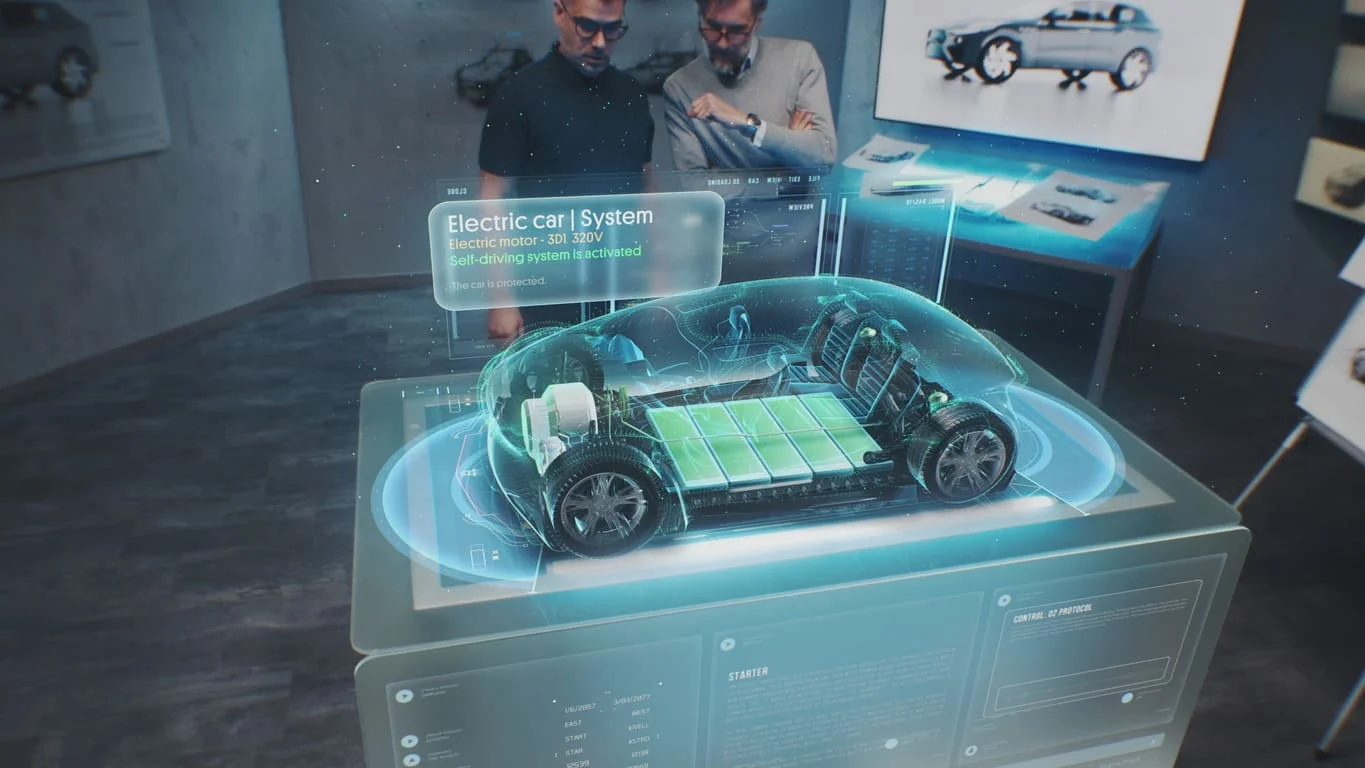
Innovation rarely develops in isolation. Throughout industrial history, breakthroughs in one sector have frequently inspired progress in another. Today, one of the most compelling examples of cross-industry innovation is the growing relationship between automotive engineering and luxury watchmaking.
Although automobiles and mechanical watches serve entirely different purposes, both industries are founded on the same core principles: precision engineering, reliability, ergonomic design, advanced materials, and meticulous craftsmanship. As consumers increasingly appreciate products that combine technical excellence with distinctive aesthetics, watch manufacturers are drawing inspiration from automotive engineering to create timepieces that reflect performance, innovation, and mechanical sophistication.
Rather than representing a short-lived design trend, this convergence illustrates how engineering philosophies can transcend industries and redefine product development.
Shared Foundations of Engineering Excellence
Mechanical watches and high-performance automobiles have much in common beneath their exterior appearance.
Both rely on hundreds of precision-engineered components working together with minimal tolerances. In automobiles, engines, transmissions, braking systems, and suspension components must operate flawlessly under demanding conditions. Similarly, a mechanical watch contains dozens or even hundreds of miniature components—including gears, springs, escapements, and balance wheels—that must maintain exceptional accuracy over many years.
The pursuit of precision has therefore become a common language between both industries. Engineers and designers focus not only on technical performance but also on reliability, efficiency, longevity, and user experience.
This shared engineering mindset explains why automotive design philosophies increasingly influence contemporary watchmaking.
The Evolution of Automotive-Inspired Watch Design
The relationship between watches and automobiles is not new.
Since the early twentieth century, racing drivers depended on accurate chronographs to measure lap times and endurance events. This historical connection established a natural partnership between motorsport and horology that continues today.
Modern automotive-inspired watches incorporate numerous visual and functional characteristics borrowed from vehicle design, including:
- Dashboard-inspired dial layouts
- Speedometer-style numerical displays
- Multi-layer dial construction
- Steering wheel-inspired textures
- Brake disc and wheel-rim motifs
- Racing color combinations
- Performance-oriented chronograph functions
Rather than simply copying automotive styling, designers reinterpret these elements to create products that communicate precision, movement, and mechanical energy.
Performance Materials Driving Innovation
Perhaps the strongest link between automotive engineering and modern watchmaking is the adoption of advanced materials.
High-performance vehicles increasingly utilize lightweight and durable materials to improve efficiency, safety, and handling. Many of these same materials have become valuable within the watch industry.
Titanium
Titanium offers exceptional strength while remaining significantly lighter than stainless steel. Its corrosion resistance and wearer comfort make it ideal for sports and luxury watches.
Ceramic
Originally valued in engineering applications for its hardness and heat resistance, ceramic provides outstanding scratch resistance while maintaining its finish for years.
Carbon Fiber and Forged Carbon
Carbon composites, long associated with Formula One and aerospace engineering, have entered luxury watchmaking because of their remarkable strength-to-weight ratio and distinctive visual texture.
Sapphire Crystal
Synthetic sapphire has become the standard for premium watches due to its exceptional hardness and resistance to scratches. Modern manufacturing techniques even allow sapphire to be used for entire watch cases, showcasing complex movements while maintaining durability.
The increasing use of these materials demonstrates how innovations developed for demanding engineering environments often find new applications in luxury consumer products.
Functional Aesthetics Rather Than Decoration
Modern industrial design increasingly prioritizes function over ornamentation.
In automotive engineering, components such as air intakes, aerodynamic diffusers, cooling vents, and structural reinforcements often exist because they improve vehicle performance. Their visual appeal emerges naturally from engineering requirements.
A similar philosophy has become increasingly influential in contemporary watchmaking.
Skeletonized movements expose mechanical components not merely for decoration but to celebrate engineering complexity. Layered dials improve legibility while simultaneously creating visual depth. Open-work bridges, visible gears, and architectural case construction reveal how the watch operates rather than concealing its mechanics.
This design philosophy reflects a broader movement toward transparency, authenticity, and engineering-driven aesthetics.
Digital Design and Manufacturing Technologies
Technological advances have accelerated collaboration between industrial design disciplines.
Computer-aided design (CAD), finite element analysis (FEA), digital simulation, CNC machining, laser manufacturing, and additive manufacturing are now widely used in both automotive engineering and watch production.
These technologies allow designers to:
- Optimize structural strength
- Reduce unnecessary weight
- Improve manufacturing precision
- Prototype complex geometries rapidly
- Enhance production consistency
- Experiment with innovative case and movement architectures
As digital engineering tools become increasingly sophisticated, knowledge transfer between industries continues to expand.
Human-Centered Design Principles
Both automobiles and watches must perform comfortably during everyday use.
Automotive engineers devote extensive research to ergonomics, driver visibility, tactile feedback, interface design, and control placement. Similar considerations influence watch designers, who carefully evaluate:
- Case proportions
- Lug geometry
- Crown positioning
- Weight distribution
- Strap integration
- Dial legibility
- Contrast and readability
The objective extends beyond aesthetics. Products should feel intuitive, comfortable, and reliable throughout years of daily use.
This emphasis on user-centered design has become increasingly important as consumers expect premium products to deliver both performance and comfort.
Consumer Demand for Engineering Authenticity
Modern consumers increasingly seek products that communicate authentic engineering rather than superficial luxury. Technical specifications, manufacturing quality, sustainable production methods, and design integrity have become significant purchasing considerations. This growing appreciation has also increased interest in luxury-automotive-watches, which combine the precision of high-performance engineering with refined watchmaking craftsmanship. Automotive-inspired watches appeal to this audience because they embody several desirable characteristics:
- Mechanical sophistication
- Precision craftsmanship
- Innovative materials
- Performance-oriented design
- Engineering heritage
- Functional reliability
Instead of relying solely on decorative luxury cues, many manufacturers emphasize technical achievement and mechanical storytelling.
Sustainability and Responsible Manufacturing
Environmental considerations are reshaping manufacturing across numerous industries.
Automotive manufacturers are investing heavily in recyclable materials, energy-efficient production, lightweight engineering, and lower environmental impact throughout supply chains.
Watch manufacturers are adopting similar strategies by introducing responsibly sourced metals, recycled packaging, renewable energy within manufacturing facilities, and longer product life cycles supported by servicing and repairability.
The shared commitment to durability also contributes to sustainability. Well-engineered mechanical watches and high-quality vehicles are designed for decades of use rather than short replacement cycles.
Future Directions
Several emerging technologies may strengthen the relationship between automotive engineering and watchmaking even further.
Artificial intelligence-assisted design optimization, advanced composite materials, digital manufacturing, improved surface treatments, and next-generation ceramics are expected to influence product development across both sectors.
As engineering innovation continues to accelerate, designers will likely explore increasingly sophisticated methods of combining technical performance with visual refinement.
Rather than borrowing isolated styling cues, future collaborations are expected to focus on shared engineering methodologies, manufacturing technologies, and sustainable material science.
Conclusion
The influence of automotive engineering on modern watchmaking extends far beyond aesthetic inspiration. It represents a broader convergence of industrial design philosophies centered on precision, innovation, advanced materials, ergonomic thinking, and functional excellence.
By adopting engineering principles developed within the automotive sector, contemporary watchmakers continue to redefine how mechanical timepieces are designed, manufactured, and experienced.
As both industries pursue higher standards of performance, sustainability, and technological innovation, their relationship is likely to deepen, demonstrating that the most meaningful design inspiration often emerges not from imitation, but from shared engineering values.