Iron is one of those nutrients we rarely think about unless we’re told we’re low on it. It plays a vital role in carrying oxygen through the blood and supporting overall energy levels. But what happens when the body absorbs too much iron—and has no effective way to get rid of it? That’s where Hemochromatosis comes into the picture.
Often misunderstood and frequently undiagnosed, this condition can quietly affect major organs for years before symptoms become obvious. Understanding how it develops, what it does to the body, and why early detection matters can make a significant difference in long-term health outcomes.
What Exactly Is Hemochromatosis?
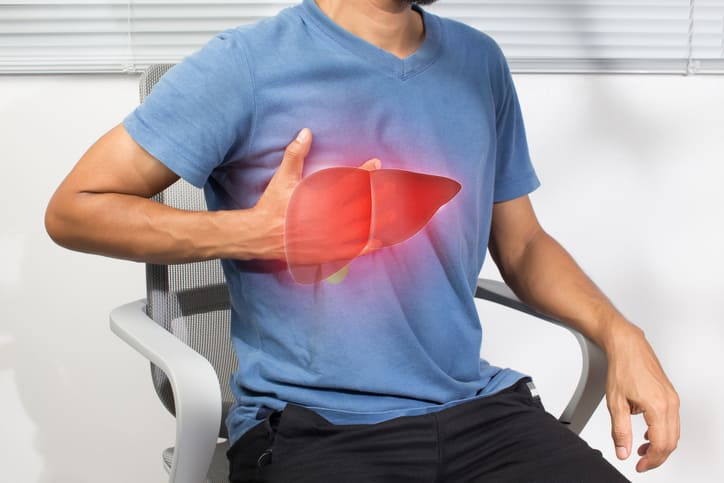
Hemochromatosis is a disorder in which the body absorbs and stores more iron than it needs. Unlike many other nutrients, iron doesn’t have a natural “exit system.” When excess iron builds up over time, it gets deposited in organs such as the liver, heart, pancreas, and joints. This gradual accumulation can eventually interfere with normal organ function.
There are different forms of the condition, but the most common is hereditary hemochromatosis, a genetic disorder passed down through families. In this form, a mutation affects how the intestines regulate iron absorption, leading to steady overload over decades.
Why Iron Overload Is a Problem
At first glance, having extra iron might not sound harmful. However, iron is highly reactive at the cellular level. When present in excess, it can contribute to oxidative stress, damaging tissues and triggering inflammation.
Over time, untreated iron overload may lead to:
- Liver scarring or cirrhosis
- Heart rhythm problems or heart failure
- Diabetes due to pancreatic damage
- Joint pain and arthritis
- Hormonal imbalances affecting libido and fertility
The slow progression is what makes Hemochromatosis particularly tricky. Many people feel “mostly fine” until organ damage is already underway.
Common Symptoms (and Why They’re Easy to Miss)
One of the biggest challenges with Hemochromatosis is that early symptoms are vague and easily attributed to everyday stress or aging. Fatigue is one of the most common complaints, but it’s also one of the least specific.
Other symptoms may include:
- Persistent tiredness or weakness
- Joint stiffness, especially in the hands
- Abdominal discomfort
- Skin appearing darker or bronze-toned
- Loss of sex drive
Because these symptoms overlap with many other conditions, Hemochromatosis often remains undiagnosed until routine blood tests reveal abnormal iron levels.
How the Condition Is Diagnosed
Diagnosis typically begins with blood work. Two key measurements are often evaluated:
- Transferrin saturation – indicates how much iron is being transported in the blood
- Serum ferritin – reflects total iron storage in the body
When these levels are consistently elevated, further testing may be recommended, including genetic testing to identify inherited forms of the condition. In some cases, imaging or liver evaluation is used to assess iron-related damage.
The important takeaway is that diagnosis doesn’t rely on symptoms alone. Many people discover they have Hemochromatosis during routine health screenings, which is actually the best-case scenario.
Who Is Most at Risk?
While anyone can develop iron overload, hereditary Hemochromatosis is more common in people of Northern European ancestry. Men are typically diagnosed earlier than women, largely because women naturally lose iron through menstruation and pregnancy, delaying iron accumulation.
Risk factors include:
- A family history of iron overload
- Elevated iron levels on routine blood tests
- Unexplained liver abnormalities
- Early-onset joint disease or diabetes
Having one or more of these factors doesn’t guarantee a diagnosis, but it does increase the importance of proper evaluation.
Treatment: Simple, Effective, and Often Overlooked
The encouraging part about Hemochromatosis is that it’s highly manageable—especially when caught early. The standard treatment is therapeutic phlebotomy, which is essentially controlled blood removal.
By removing blood at regular intervals, the body is forced to use stored iron to produce new red blood cells, gradually reducing iron levels. The process is straightforward and, for most patients, well tolerated.
Once iron levels are normalized, maintenance therapy may involve periodic monitoring and occasional phlebotomy to keep levels in a safe range.
Lifestyle Adjustments That Matter
Treatment isn’t limited to medical procedures. Certain lifestyle choices can help minimize iron accumulation and reduce strain on affected organs.
Common recommendations include:
- Avoiding iron supplements unless specifically advised
- Limiting vitamin C supplements, which increase iron absorption
- Reducing alcohol intake to protect liver health
- Being mindful of raw seafood, as iron overload increases infection risk
These adjustments don’t replace treatment, but they support overall management and long-term wellbeing.
Why Early Detection Makes a Huge Difference
Left untreated, Hemochromatosis can lead to irreversible organ damage. However, when diagnosed early—before significant iron buildup—most complications are entirely preventable.
That’s why awareness is so important. A simple blood test can identify abnormal iron levels long before symptoms become severe. In many cases, people who start treatment early go on to live completely normal, healthy lives without long-term consequences.
Living Well With Hemochromatosis
A diagnosis of Hemochromatosis can feel overwhelming at first, especially when it comes unexpectedly. But with proper monitoring, treatment, and informed lifestyle choices, it becomes a manageable part of life rather than a defining limitation.
Ongoing research continues to improve understanding of iron metabolism, genetic factors, and individualized treatment approaches. The more we learn, the clearer it becomes that early awareness—not fear—is the key to managing this condition effectively.
If there’s one takeaway worth remembering, it’s this: iron is essential, but balance is everything. Understanding how conditions like Hemochromatosis disrupt that balance empowers people to take control of their health before serious complications arise.
Disclaimer: This article contains sponsored marketing content. It is intended for promotional purposes and should not be considered as an endorsement or recommendation by our website. Readers are encouraged to conduct their own research and exercise their own judgment before making any decisions based on the information provided in this article.