Xiaomi marked its 15th anniversary with a bold leap into new frontiers, launching its first electric SUV and introducing a self-designed mobile chip during a high-profile event in Beijing on Thursday.
CEO and founder Lei Jun revealed the YU7 SUV and the Xring O1 chip in a livestreamed showcase that highlighted the company’s ambitions beyond budget smartphones. The YU7, expected to hit roads in July, offers a range of up to 835 kilometers and boasts acceleration that Xiaomi claims outpaces Tesla and Porsche counterparts.
No pricing or pre-order details were disclosed, with Lei stating the company is “holding off” for now.
The event comes amid heightened attention following a fatal crash involving Xiaomi’s first EV, the SU7 sedan, which claimed three lives in March. The incident sparked scrutiny over Xiaomi’s self-driving technology and dampened sales temporarily.
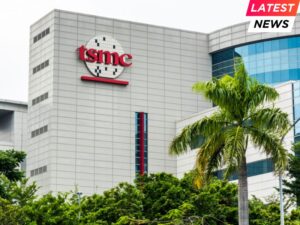
In a strategic move to reduce reliance on foreign semiconductors, Xiaomi also introduced the Xring O1 chip, built using advanced 3-nanometer process technology. Although manufactured by TSMC, the chip is fully designed in-house. Xiaomi says it outperforms Apple’s A18 Pro in efficiency and heat management, particularly during heavy gaming sessions.
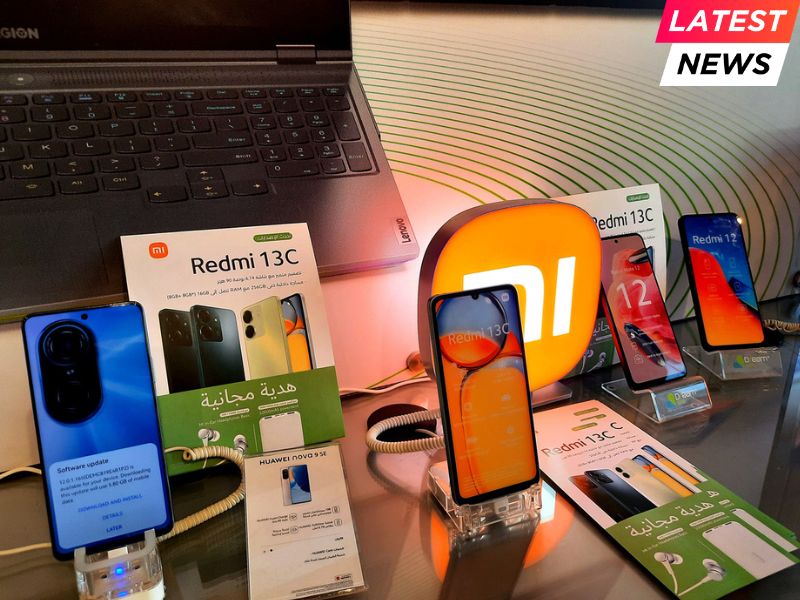
The Xring O1 will debut in the newly released 15S Pro smartphone, priced at 5,499 yuan ($764). Xiaomi has invested 13.5 billion yuan ($1.87 billion) in chip development and plans to commit 50 billion yuan ($7 billion) over the next decade.
Chinese state media hailed the chip as a symbol of domestic innovation. Analysts see Xiaomi’s push into autos and semiconductors as part of China’s broader effort to lessen dependence on foreign technology amid rising US-China tech tensions.
Lei summed up Xiaomi’s shift in direction with a clear message: “When it comes to the battle over chips, we have no choice.”