When the Factory Falls Behind the Campaign
Across Europe, many FMCG and retail brands share the same pain point: marketing is ready, but production is not. The campaign idea is sharp, the media plan is agreed, and sales teams are waiting for a new bundle or multipack to hit the shelves. Yet the factory is focused on high-volume, standard SKUs (stock keeping units) and core variants and has little room for short runs, complex sets or last-minute changes.
This gap becomes even wider in a fragmented market like Europe. A launch rarely means one label and one box. It often means several language versions, different legal requirements and tailored offers for national chains or e-commerce partners. For big markets such as Germany or France, it might still be worth reconfiguring a production line. For smaller destinations the volumes are often too low to justify extra changeovers, testing and downtime.
This is where an experienced packaging service provider can make a real difference. By moving late-stage customisation, packaging, labelling and bundling out of the factory and into a specialised co-packing environment, brands can keep their core lines running smoothly. Co-packing companies like TRANSPAK help brands deliver the promotions and local variants their marketing teams have designed, without disrupting core production lines.
Why the Production Line Should Not Do Everything
A modern production line is built for one main task: to run stable volumes of the same SKU at the lowest possible unit cost. Every deviation from that setup has a price. A new bundle, a different carton size or a short run for a seasonal variant means changeovers, testing, extra quality checks and a higher risk of rework or scrap. What looks like a small creative tweak in a campaign often translates into a complex engineering change on the shop floor.
From a cost perspective, these changes quickly accumulate. Long changeovers eat into available production time. Minimum run sizes dictated by machinery make small batches uneconomic. Trial runs generate extra waste, which is hard to justify when margins are already under pressure. Production teams also feel every last-minute request from marketing as a disruption that pushes stable orders down the schedule.
The result is tension between functions and a hidden tax on innovation. Keeping the core line focused on standard SKUs helps brands protect both efficiency and flexibility. Moving late-stage customisation and bundling to a specialist partner completes the picture.
The European Reality: Many Languages, Small Markets, High Complexity
Selling across Europe means dealing with a patchwork of markets, regulations and consumer expectations rather than one unified landscape. In many categories, mandatory information on packaging must appear in a language that local consumers can understand, which quickly multiplies the number of label and artwork versions a brand needs to manage. Ingredients, claims and safety information may also need local adjustments, adding another layer of complexity for regulatory and packaging teams.
For large destinations such as Germany or France, a dedicated production run with a specific label often makes financial sense. The volumes are big enough to absorb the cost of changeovers, tooling and stockholding. For smaller markets, this logic breaks down. Initial volumes are modest, demand is uncertain, and running a separate variant for Lithuania, Latvia or Estonia can be hard to justify on a main line that is already fully loaded with core products.
Where the Co-Packer Fits: Between Factory and Market
A co-packer’s role starts once the brand has defined what it wants to achieve. The marketing and trade teams decide how the promotion should look, which SKUs go into a set, what the label should say and which extras are needed. The co-packer then turns this concept into a ready-to-ship product.
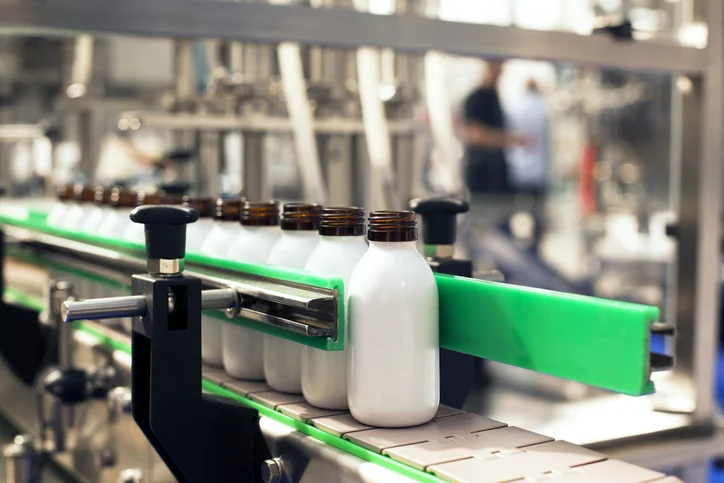
On specialised lines, a packaging service provider assembles components and packs them into the right format. It applies labels, uses shrink wrapping or other protection and prepares finished goods for distribution. In this model, the factory keeps running standard SKUs in efficient, high-volume batches. The customisation happens later in the chain.
At that point, the co-packer creates multipacks, gift sets or promotional bundles. It adds leaflets or vouchers and applies labels in different languages to meet local rules. The same base product can therefore support multiple activations and markets without reconfiguring the main production line each time. For many European brands, this approach is what makes complex promotions and multi-country launches manageable in practice.
A Mini Case: Tailoring Strategy to Market Scale
Consider a food brand planning a seasonal campaign. In Germany, expected volumes are high, listings are secured, and retailers are ready to support the launch. In this case, it can be efficient to run a dedicated German variant on the main production line, with a label fully tailored to local requirements. The co-packer then adds value around this core: building gift sets for drugstores, preparing multipacks for e-commerce or creating special bundles for discount chains.
Now consider the same brand looking at smaller European markets. Take the Baltic states as an example. The potential is there, but initial volumes for Lithuania, Latvia and Estonia are modest, and demand is still uncertain. Running separate variants on the main line for each language would be hard to defend economically.
Instead, the factory keeps producing a neutral version at scale. A co-packer then creates short runs with local language labels, adds any mandatory information and adapts sets for specific retail partners. The brand can test three markets with limited risk, while the production line remains focused on what it does best.
Benefits for Management and Operations
For management, the financial case for using a co-packer is straightforward. Avoiding frequent changeovers protects overall equipment effectiveness and reduces overtime and weekend work. The company does not need to invest in extra tooling or packaging equipment for one-off or seasonal campaigns
Instead, it can handle small and medium volumes for multiple markets in a cost-efficient way by partnering with a packaging service provider that already has flexible lines in place. Core assets stay focused on stable, mass production, which improves predictability and budget control.
Strategically, co-packing offers speed and optionality. Brands can enter new markets faster, test new pack formats or promotional sets and scale only what proves successful, without paralysing the factory each time marketing has a new idea. Local language and regulatory requirements across Europe can be handled at a later stage, closer to the market, which reduces complexity for central production and regulatory teams.
Crucially, it helps align the pace of operations with the ambitions of the commercial side, so that approved campaigns actually reach the shelf on time and in the right form.
What To Look For In a Co-Packer
Choosing the right co-packer starts with capabilities. FMCG brands should look for experience with similar products and channels, a broad portfolio of packaging formats such as cartons, pouches, doypacks, tubes, gift boxes or shrink-wrapped multipacks, and proven food safety and quality certifications.
For European campaigns, practice in handling multi-country projects is just as important. The partner should be comfortable with many label languages, local markings and batch tracking requirements that retailers and regulators expect. The right co-packer also brings the option to combine manual and automated workstations, which helps manage both high volumes and very specific tasks.
Once the short list is clear, the focus moves to performance and collaboration. Key KPIs include lead time from brief to shipment, complaint and return rates, labelling and packing accuracy, and the ability to ramp volumes up or down as the promotion evolves. Transparent communication, regular reporting and openness to audits are equally important.
In practice, the best co-packer acts as an extension of the brand’s own operations team, not just as an external vendor. This is exactly how partners such as Transpak Copacking position their role in the value chain.