
By Dr. Simon L. Dolan
The well-being of employees is a critical component of organizational success. The multifaceted challenges that hinder mental health and risk prevention in the workplace call for urgent proactive measures. Here, Simon Dolan of the Global Future of Work Foundation shares some practical solutions that empower employees and promote resilience.
Challenge 1: Resolving the paradox of better working conditions and the rise of mental health issues
Navigating the paradox of our time, we find ourselves in an intriguing situation: while general quality of life is advancing at an astonishing pace, mental health episodes seem to be on the rise. This juxtaposition may initially feel perplexing, yet it presents an opportunity for us to reflect, adapt, and ultimately thrive in our ever-evolving world.
On one hand, we’ve witnessed remarkable progress in technology, healthcare, and overall socioeconomic conditions. Access to information and resources has expanded, leading to improved living standards for many individuals and communities. From advances in medical care to increased socioeconomic mobility, the benefits are evident. Yet, amidst these advancements, we are also confronting a troubling rise in mental health concerns that merits our attention and understanding.
So, why is this happening? One fundamental aspect to consider is the rapid pace of change itself. We live in a world that is constantly shifting—socially, technologically, and culturally. This whirlwind of change can create feelings of uncertainty and overwhelm. While we embrace innovation, we may also experience a sense of disconnection, leading to anxiety and stress.
The modern work environment can be relentless, marked by increasing demands, rapid technological changes, and a culture that often glorifies overwork.
In recent years, the troubling rise in stress, burnout, and a spectrum of psychosomatic ailments—including, regrettably, suicides—has reached alarming levels, particularly in specific sectors and professions. According to the World Health Organization, burnout is officially classified as an occupational phenomenon, highlighting its significant impact on workers’ health and well-being (WHO, 2019)1. The statistics underscore an undeniable reality: we are facing what can only be described as an epidemic of mental health issues in the workplace.
The modern work environment can be relentless, marked by increasing demands, rapid technological changes, and a culture that often glorifies overwork. Industries such as healthcare, education, law, and technology are particularly affected, where employees grapple with high-pressure responsibilities and inadequate resources to manage their workloads. A report by Gallup reveals that nearly 76 percent of employees experience burnout at some point in their careers (Gallup, 2020)2. This situation is not merely an isolated phenomenon; it resonates across demographics, impacting individuals’ mental, emotional, and physical health.
Numerous studies have highlighted higher suicide rates in certain professions, prompting the need for targeted support and intervention. For instance, the construction industry has been frequently cited as having a particularly high suicide rate. According to a report by the Centers for Disease Control and Prevention (CDC), workers in construction and extraction occupations had a suicide rate of 53.3 per 100,000 people, which is significantly higher than the national average of around 14.5 per 100,000 in 2019. This statistic underscores the intense pressures and hazards associated with these roles (CDC, 2021)3.
Similarly, first responders, including firefighters and police officers, often face overwhelming stress due to the nature of their work. A comprehensive study by the Ruderman Family Foundation found that more than 400 police officers and firefighters took their own lives in the U.S. in 2017, which is more than the number of line-of-duty deaths for those years combined.4 The emotional toll of witnessing trauma and the stigma surrounding mental health can exacerbate the challenges they face.5
Healthcare professionals, particularly those in high-stress environments like emergency rooms or long-term care facilities, also have elevated suicide rates. Research published in the Journal of the American Medical Association (JAMA) in 2020 highlighted that physicians experience a suicide rate that is about 1.4 times that of the general population, with female physicians particularly vulnerable. This calls for robust mental health resources tailored specifically for those who care for others.
Additionally, agricultural workers experience significant challenges, with a report from the National Institute for Occupational Safety and Health (NIOSH) indicating that farmers have one of the highest rates of suicide in the country, partly driven by the stress of economic uncertainties, isolation, and the demanding nature of their work.6
Moreover, the very tools that enhance our lives often contribute to a culture of comparison. Social media, for example, allows us to connect and engage, yet it can also foster unrealistic expectations and feelings of inadequacy. As we become more aware of the joys and successes of others, we might inadvertently diminish our own sense of worth and fulfillment.
However, it’s crucial to recognize that this paradox also opens doors for growth and understanding. Awareness of mental health is at an all-time high, leading to more conversations about well-being than ever before. This shift empowers individuals to seek help, share their experiences, and support one another on their journeys. It’s encouraging to see that workplaces, schools, and communities are increasingly prioritizing mental health resources, advocating for balance, and fostering environments that promote emotional well-being.
In essence, while the challenges we face are real, they also compel us to gather our collective strength. We can harness this momentum to build a future where mental health is prioritized alongside physical health and quality of life. By taking proactive steps to cultivate resilience, practice self-care, and engage in supportive conversations, we can navigate this complex landscape together.

Challenge 2: Solving the mystery of acute mental disorders vs chronic hidden mental ailments
In a world increasingly aware of mental health, it’s crucial for us to delve deeper into understanding the intricacies of mental disorders. Our journey begins with two distinct yet overlapping categories: acute mental disorders and chronic hidden mental ailments. By clarifying these terms, we can advocate for better support systems, increased awareness, and proactive treatments and prevention.
Acute Mental Disorders
The Unforeseen Outbreaks – Acute mental disorders often present themselves suddenly and can have a dramatic impact on an individual’s daily functioning. Conditions such as severe anxiety, panic attacks, or depressive episodes can surface abruptly, leaving individuals feeling overwhelmed and disoriented. While the episodes may be short-lived, the intensity of these disorders calls for immediate attention and intervention.
Encouragement is key here. Those experiencing acute mental disorders should remember that seeking help is a courageous and crucial step. There’s an abundance of resources available—therapists, support groups, and helplines—to assist during these tumultuous times. It’s essential to reach out, as acute episodes can serve as a critical signal that something deeper may need to be addressed.
Chronic Hidden Mental Ailments
The Silent Struggles – On the other hand, chronic hidden mental ailments often lurk beneath the surface, going unnoticed for months or even years. These disorders, such as generalized anxiety, chronic depression, or personality disorders, may not present prominent symptoms but can significantly affect an individual’s quality of life. Victims of chronic mental health issues often excel in masking their struggles, leading to isolation and a reluctance to seek help.
Victims of chronic mental health issues often excel in masking their struggles, leading to isolation and a reluctance to seek help.
But here’s the encouraging part: acknowledging these silent battles is the first step toward healing. Those who suffer from these hidden ailments should feel empowered to seek support. This encourages a culture of open dialogue, where individuals can share experiences and remind one another that they are not alone in their struggles. Remember, vulnerability is a strength.
Bridging the Gap
Seeking Help is Vital – The real power lies in bridging the understanding between acute and chronic disorders. Professionals in mental health must encourage individuals to recognize the signs, whether sudden or gradual. Psychological education and proactive treatment are critical steps in combatting the stigma often associated with mental health.
Moreover, the workplace should be a champion for this dialogue. Employers can create mental health initiatives that address both acute and chronic disorders, fostering an environment of understanding and support. By utilizing Employee Assistance Programs (EAPs), workshops, and mental health days, organizations can significantly contribute to the well-being of their employees.
Challenge 3: Improving the diagnostic tools for measuring chronic stress
Identifying the signs and symptoms of an acute stress situation is a clear and manageable process. While the accuracy of diagnosis does rely on the training and experience of the mental health professional, it’s important to recognize that both diagnosis and intervention have been integral parts of the corporate landscape for many years. Over time, a wealth of evidence-based studies has emerged, demonstrating a consistent progression in our understanding of these issues. This rich body of research not only highlights the clarity we’ve gained but also underscores the effectiveness of proactive measures. With the right support and knowledge, we can navigate these challenges together, fostering a healthier work environment for everyone.
The true challenge lies in the creation of valid and reliable tools that can accurately diagnose chronic stress and promote proactive risk management. By intervening early, we can prevent mental health issues from escalating to severe levels or manifesting as physical health problems. Unfortunately, rigorous diagnostic tools supported by research are largely absent in our field.
Over the past 50 years, dating back to my initial collaboration with Hans Selye in the late 1970s, our dedicated team has conducted extensive studies across hundreds of organizations and various sectors worldwide.7 We are proud to have published our findings in many peer-reviewed journals, contributing valuable insights to the realm of stress management. Most importantly, we have developed a powerful diagnostic tool known as The Stress Map, accompanied by a user-friendly digital interactive platform at www.Stress2Resilience.com.8
This journey represents not just a collective effort, but a beacon of hope for organizations. Together, we can implement effective strategies that not only identify stressors but also foster resilience, ensuring healthier and more productive workplaces. We hope that we can embrace this opportunity to make a lasting impact on mental well-being!
Exhibit 1: Tools for diagnosing chronic stress
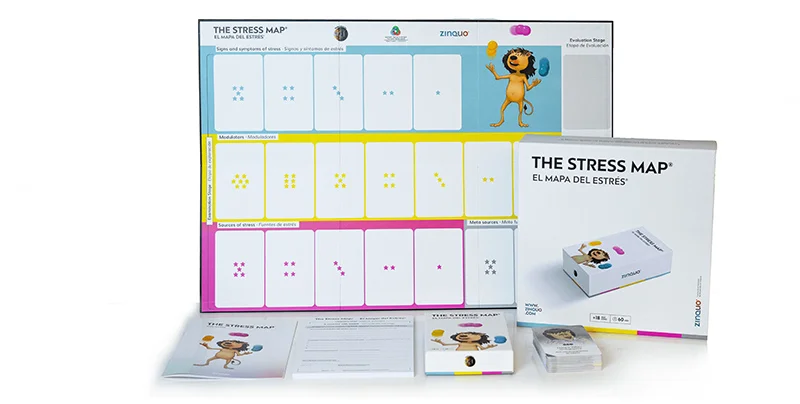
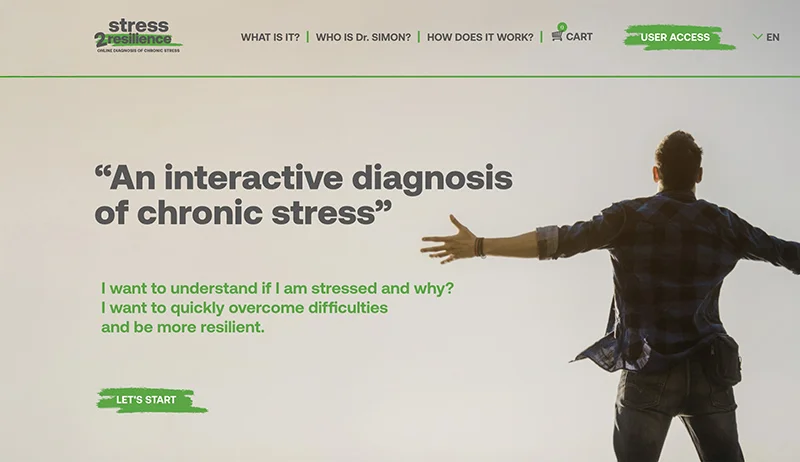
Our innovative tools are designed to accurately detect the key indicators of stress—what we refer to as “stress density”—by examining the signs and symptoms that individuals experience over the course of the past four months. Not only do these tools help identify potential stressors in both workplace and family environments, but they also highlight various well-researched individual factors that can either amplify or mitigate stress effects.
Incorporating elements of gamification, these tools work to dismantle the stigma associated with mental health diagnoses, making the process feel engaging rather than daunting. The online platform generates comprehensive assessments and integrates elements of artificial intelligence, empowering individuals to gain a deeper awareness of their stress levels and the importance of proactive prevention before challenges become overwhelming.
The real beauty of our tool lies in its ability to be utilized on a larger scale, providing valuable benchmarks that allow organizations to pinpoint specific segments where support is urgently needed. By focusing on these areas, we can collectively make a significant impact on the well-being of employees who are currently struggling.
Challenge 4: Combatting mental health only at work is not sufficient
Recent research suggests that solely addressing stress and mental health issues within the workplace is no longer sufficient. In fact, studies indicate that nearly 70 percent of working individuals experience a spillover effect, where life outside of work significantly impacts their mental well-being. It’s crucial that we recognize this connection and examine both workplace and personal factors together.
Additionally, the ongoing struggle to maintain a healthy work-life balance can itself become a significant source of stress. By broadening our perspective and extending our focus beyond the confines of the workplace, we can engage in more comprehensive diagnostic practices and interventions. This is a call for a holistic approach to mental health that encompasses all aspects of our lives. This is not only essential for individual well-being but will foster a healthier, more productive workforce.
In other words, research indicates that the spillover effect occurs when experiences in one domain (work or life) influence outcomes in the other. For example, a study published in the Academy of Management Review which summarized multiple studies, propose that positive experiences at work can bolster personal relationships, while negative experiences can lead to increased stress and dissatisfaction in one’s private life (Greenhaus & Powell, 2006)9. Specifically, individuals who reported high levels of job satisfaction also tended to experience better emotional health and stronger personal relationships. Conversely, those facing work-related stress often carried that burden home, leading to heightened anxiety and emotional fallout in their personal lives.
Those facing work-related stress often carried that burden home, leading to heightened anxiety and emotional fallout in their personal lives.
The American Psychological Association (APA) reports that 61 percent of employees cite work-related stress as a significant contributing factor to their mental health struggles. This stress doesn’t just stay at the office—carrying it home can negatively impact relationships with family and friends, leading to a cycle of stress and dissatisfaction.
A study published in the Journal of Occupational Health Psychology revealed that employees who engage in work-home segmentation—effectively separating their personal and work lives—report a 24 percent higher level of life satisfaction and a 38 percent reduction in feelings of burnout compared to those who experience high levels of spillover (Sonnentag & Fritz, 2007)10. This highlights the importance of boundaries and the positive implications of effective work-life balance.
Furthermore, according to the National Institute of Mental Health (NIMH), individuals experiencing chronic work stress are two to three times more likely to develop mental health disorders, including anxiety and depression. The impact on personal life is significant, often resulting in diminished quality of life, strained relationships, and increased overall dissatisfaction.
Challenge 5: Potential risks to mental health associated with the growing wave of artificial intelligence (AI) applications
While AI presents a multitude of benefits, particularly in providing mental health support tools, it is essential that we also address the potential downsides associated with its use. Here are some key risks that we must consider:
Social Isolation and Reduced Human Interaction
As our reliance on AI—such as chatbots, virtual assistants, and AI companions—increases, we may inadvertently lessen our opportunities for meaningful human connections. This trend is particularly concerning for young people and vulnerable individuals who may struggle with loneliness.
Job Displacement Anxiety
The prospect of job losses due to automation and AI can create significant economic insecurity, leading to heightened feelings of anxiety, depression, and uncertainty about the future. It’s vital that we acknowledge these feelings and strive to find solutions that foster job security.
Algorithmic Bias and Harmful Content
AI-driven content, particularly in areas like social media recommendation systems, can amplify harmful messages, misinformation, and toxic comparisons. The consequences can be alarming, leading to the propagation of fake news and promoting unhealthy behaviors, ultimately triggering anxiety and depression.
Overreliance on AI for Mental Health Care
While AI therapy bots and diagnostic tools have the potential to aid, they can also oversimplify complex psychological issues or overlook critical warning signs. This situation can result in inadequate care and provide a misleading sense of support.
Stress Due to Invasion of Privacy
The need for extensive data collection by AI—gathered from health apps and online activities—can generate significant stress for individuals concerned about their privacy.
Addictive Design
The use of AI to enhance engagement on various platforms can often come at the expense of mental well-being, contributing to increased screen time, fragmented attention, and sleep disorders.
Given these risks, the pressing question is: What can we do to mitigate them? Fortunately, the solutions are clear and actionable. We can advocate for greater regulation surrounding the use of AI, particularly in sensitive areas like health and education. Promoting transparency in data usage, educating the public about healthy digital habits, and ensuring that trained professionals are involved in AI processes are crucial steps we can take.
Summary and conclusions
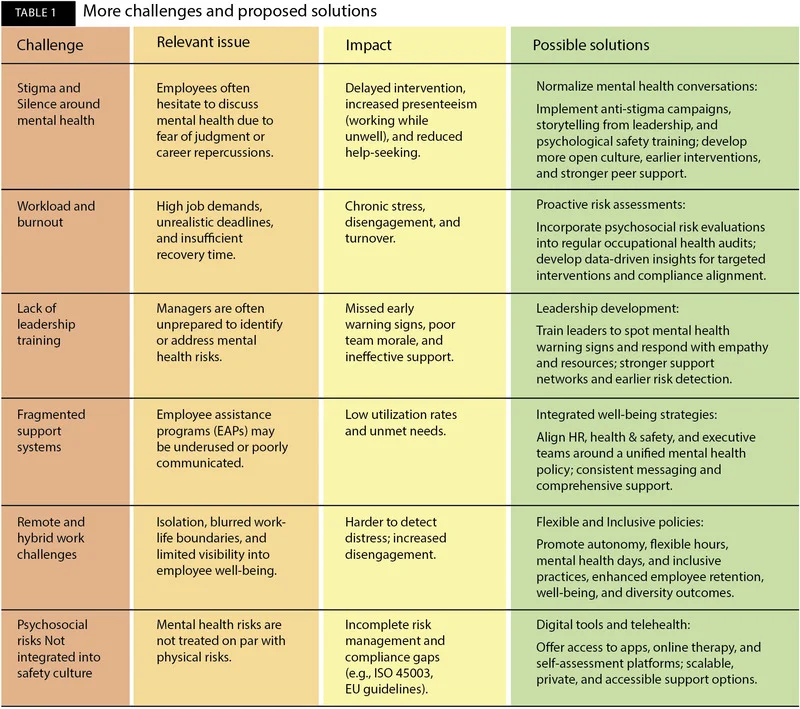
We recognize that there are many additional challenges that merit discussion, but time and space does not permit us to elaborate. Thus, in table 1, we provide a concise summary of these challenges, along with innovative solutions that we have brainstormed. Our hope is that these insights will be valuable tools for mental health professionals in their vital work.
In conclusion, prioritizing mental health and risk prevention not only fosters a supportive workplace culture but also drives overall organizational success. By investing in the well-being of employees, companies can enhance productivity, reduce absenteeism, and cultivate a more engaged workforce. When employees feel valued and supported, they are more likely to contribute positively to the organization’s goals. As we embrace proactive mental health initiatives and risk management strategies, we create an environment where individuals can thrive both personally and professionally. It is worthwhile to identify champions of mental health in the organization that are willing to go beyond the legal requirements. They can spread awareness and prevention, paving the way for a healthier, happier, and more successful workplace for all.
About the Author
 Dr. Simon L. Dolan was a distinguished Senior Research Professor and Director of Programs at Advantere School of Management, in partnership with prestigious institutions like Comillas, Deusto, and Georgetown Universities. As President of the Global Future of Work Foundation and former Chair of the Future of Work at ESADE Business School, he is at the forefront of shaping modern management practices.
Dr. Dolan has an impressive global teaching background, having taught at elite business schools such as Boston University, McGill University, and ESSEC. His prolific output includes over 88 books and more than 150 peer-reviewed articles, showcasing his dedication to advancing knowledge in his field. Honored with a Doctorate Honoris Causa from Huelva University (2024) and the Golden Medal from the Spanish Association of Health and Safety at Work (2025), Dr. Dolan is a thought leader whose innovations, such as The Stress Map and the digital tool www.stress2resilience.com, are making a significant impact in organizational well-being. Explore more about his remarkable journey and contributions at www.simondolan.com or www.learningaboutvalues.com.
References:
1. World Health Organization. (2019). “Burn-out an occupational phenomenon: International Classification of Diseases”.
2. Gallup. (2020). “State of the Global Workplace: 2020 Report”.
3. Centers for Disease Control and Prevention. (2021). “Suicide Rates by Occupational Group — United States, 2016–2017”.
4. Ruderman Family Foundation. (2018). “The Ruderman White Paper on Mental Health and Suicide of First Responders”.
5. JAMA Network. (2020). “Suicide Among Physicians: A Threat to Public Health”.
– National Institute for Occupational Safety and Health (NIOSH).
6. “Agricultural Safety and Health.” 2018
7. Dolan S.L., Arsenault A., (Préface pour Hans Selye) (1980) “Stress, Santé et Travail”. Monographie #5 (Presses de l’Université de Montréal).
8. For more read: Dolan S.L. (2007) Stress, Self-Esteem, Health and Work (Springer); Simon L. Dolan (2023) De-Stress at Work Understanding and Combatting Chronic Stress (Taylor and Francis Group).
9. Greenhaus, J. H., & Powell, G. N. (2006). “When work and family are allies: A theory of work-family enrichment”. The Academy of Management Review, 31(1), 72–92.
10. Sonnentag, S., & Fritz, C. (2007). “The Recovery Experience Questionnaire: Development and Validation of a Measure for Assessing Recuperation and Unwinding from Work”. Journal of Occupational Health Psychology, 12, 204-21.
Disclaimer: This article contains sponsored marketing content. It is intended for promotional purposes and should not be considered as an endorsement or recommendation by our website. Readers are encouraged to conduct their own research and exercise their own judgment before making any decisions based on the information provided in this article.