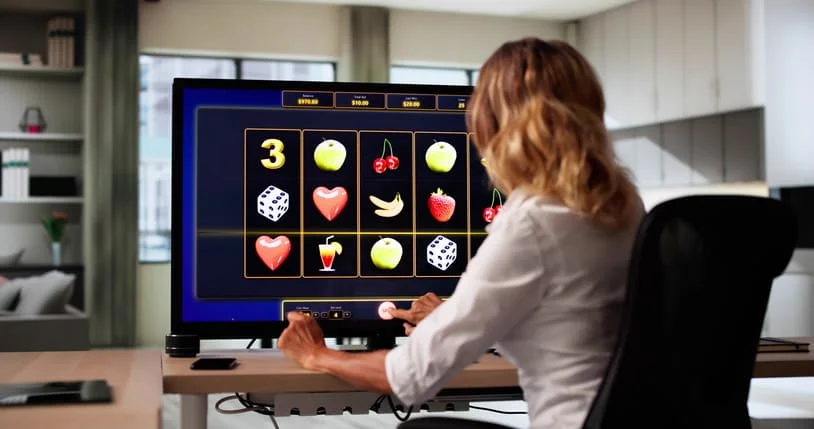
It wasn’t that long ago that a night out for a bit of social gaming meant a trip to a draughty hall or a local club, likely with a lukewarm plastic cup of tea in hand. Things have changed quite a bit since then, haven’t they? We’ve seen a massive shift in how we spend our leisure time, moving from those physical spaces to sophisticated digital hubs. It’s not just about the convenience of playing from the sofa; it’s a total reimagining of how we interact with games and, more importantly, with each other. The way the industry has overhauled itself in the last few years is nothing short of a tech revolution, yet it’s one that feels surprisingly familiar.
The Executive Shift: Analyzing the Digital Overhaul of European Leisure Industries
If you look at the top tier of the European leisure industry right now, you’ll notice a significant change in how the big bosses are thinking. It’s no longer enough to just put a game on a website and hope for the best. There’s been a massive realignment toward creating entire digital ecosystems. The executives running these organisations are moving away from the old-school “product-first” mentality and are instead focusing on high-tech platforms that can handle thousands of players simultaneously while keeping the experience personal.
This overhaul is largely driven by data. In the past, a leisure company might have had a vague idea of what their customers liked based on footfall or ticket sales. Now, they’ve got real-time insights into what makes a game engaging. This shift has led to a much more integrated approach across the EU and the UK. We’re seeing companies invest heavily in back-end infrastructure that allows for seamless transitions between different types of entertainment. It’s a bit like how we’ve seen streaming services change the way we watch TV; the leisure industry is now providing a centralised “hub” where social interaction is just as important as the game itself.
I’ve noticed that this change isn’t just about the software, either. It’s about the philosophy behind the service. There’s a much heavier emphasis on the user journey. The goal now is to create a space where you feel part of a community from the moment you log in. It’s a sophisticated blend of tech and human touch that’s redefining what it means to be a “service provider” in the 2020s.
The ROI of Nostalgia: How Intellectual Property (IP) Integration Lowers Customer Acquisition Costs
We all have those brands that remind us of home or simpler times. Whether it’s a board game we played on rainy Sundays or a classic TV show, those names carry a lot of weight. In the business world, we call this Intellectual Property (IP), and lately, it’s become the secret sauce for successful gaming platforms. Why spend millions trying to convince people to try a brand-new, unknown game when you can offer them something they already know and love?
This is where the ROI (Return on Investment) of nostalgia really kicks in. When a company uses a well-known IP, they aren’t starting from scratch. They’re tapping into a pre-existing well of trust and affection. I find that it makes the whole experience feel more welcoming. Within the discussion on IP-led market differentiation, it’s fascinating to see how legacy board game brands are revitalizing the iGaming sector through sophisticated casino bingo games that merge traditional mechanics with immersive digital interfaces.
By taking the familiar rules of a classic board game and weaving them into a bingo format, developers create something that feels both fresh and comforting. It’s a clever bit of engineering. You get the social buzz of the bingo room combined with the iconic symbols and themes of a game you’ve known for decades. This familiarity significantly lowers the barrier to entry, making it much easier for people to feel comfortable trying out a new platform. It’s a win-win: the players get a high-quality, recognisable experience, and the providers can focus their energy on making the tech as smooth as possible.
Community as a KPI: Driving Lifetime Value (LTV) through Socially-Integrated Gaming Models
In the world of corporate spreadsheets, “Community” might sound like a bit of a soft term, but for modern leisure platforms, it’s a vital Key Performance Indicator (KPI). The industry has realised that the loneliest games are often the shortest-lived. If you’re just clicking a button by yourself, you’ll probably move on pretty quickly. But if you’re chatting with Sarah from Sheffield or Mike from Milton Keynes while you play, you’re much more likely to stick around.
This is the core of “Socially-Integrated Gaming.” It’s the idea that the social glue is what keeps the platform alive. Driving Lifetime Value (LTV) is no longer just about the games themselves; it’s about the friendships and the “banter” that happens in the chat rooms. Many of us have experienced that feeling of logging into a site not just to play, but to see what the regulars are up to.
To make this work, companies are employing professional chat hosts and community managers who act like the life of the party. They keep the conversation flowing, run mini-quizzes, and make sure everyone feels included. It’s a high-tech version of the old bingo caller who knew everyone’s name and their usual order at the bar. By fostering this sense of belonging, platforms create a loyal user base that isn’t just looking for a quick game, but a place to hang out. It’s a brilliant way to turn a digital service into a genuine social hobby.
Evolution in Action: Bringing Classic Games to Digital Platforms
When we talk about this shift from physical to digital, there’s one standout example that really illustrates the point. The evolution of Monopoly Casino’s online bingo offerings serves as a primary example of a successful transition from physical legacy to a ‘community-first’ digital platform. They’ve managed to take one of the most famous board games in history and turn it into a living, breathing online community.
The architectural transition here is quite something. It wasn’t just a matter of slapping a logo on a bingo card. They’ve built an entire interface that reflects the “property-buying” spirit of the original game while keeping the fast-paced, social nature of bingo at its heart. You’ll find that the game mechanics are layered; you’re playing the bingo you know, but with these extra nods to the IP that make it feel like a premium experience.
What’s particularly impressive is how they’ve centralised the social aspect. The chat rooms are integrated directly into the game view, making it easy to talk to others without missing a beat. It’s a far cry from the clunky, disjointed websites of ten years ago. This “community-first” approach ensures that even as the tech gets more advanced, the human element remains the star of the show. It shows that even the most “physical” of legacies can find a new, vibrant life in a high-tech world if the transition is handled with a bit of care and respect for the original spirit.
Regulatory Agility: Future-Proofing Digital Entertainment in the EU and UK Markets
Of course, none of this would be possible without a solid regulatory framework. The UK and the EU have some of the strictest rules in the world when it comes to digital entertainment, and for good reason. “Regulatory Agility” has become the buzzword for companies that want to stay ahead of the curve. It’s not just about following the rules; it’s about anticipating how they might change and building systems that are flexible enough to adapt.
Future-proofing in this context means being incredibly transparent. We’ve seen a move toward more robust age verification and much clearer communication regarding how games work. For those of us who enjoy these platforms, this is a good thing. It means the environment is safer and fairer. The UK Gambling Commission and various EU bodies are constantly updating their guidelines to keep pace with tech developments like AI and blockchain.
Companies that are “agile” are the ones that embrace these changes rather than fighting them. They build safety features directly into the user interface, making it easy for players to set their own limits and keep things fun. It’s about creating a sustainable industry where the focus is on long-term enjoyment rather than short-term gains. This regulatory stability gives players the confidence to engage with these platforms, knowing that they are being looked after by some of the most comprehensive oversight in the world.
Final Thoughts
It’s quite a journey we’ve been on, from those local halls to the sophisticated, IP-driven platforms we see today. The integration of high-tech infrastructure with the comforting nostalgia of legacy brands has created a new kind of social leisure that feels more connected than ever. Whether it’s the way the industry has overhauled its executive strategy or the focus on building genuine communities, the goal remains the same: bringing people together for a bit of fun.
As we look toward the future, it’s clear that the “human” element isn’t going anywhere. No matter how advanced the AI gets or how immersive the digital interfaces become, we’ll always be looking for that connection with others. These modern platforms have simply found a way to make that connection easier, safer, and a lot more entertaining.
Gambling Responsibility Warning
Please remember to play responsibly. Gaming should always be a form of entertainment, not a way to make money. Only spend what you can afford to lose. If you feel like you’re losing control, or if gaming is no longer fun, please seek help. You can find support and advice at BeGambleAware.org or call the National Gambling Helpline on 0808 8020 133. Most platforms offer tools to help you manage your time and spending, so do make use of them. Stay safe and keep it fun.
Disclaimer: This article contains sponsored marketing content. It is intended for promotional purposes and should not be considered as an endorsement or recommendation by our website. Readers are encouraged to conduct their own research and exercise their own judgment before making any decisions based on the information provided in this article.