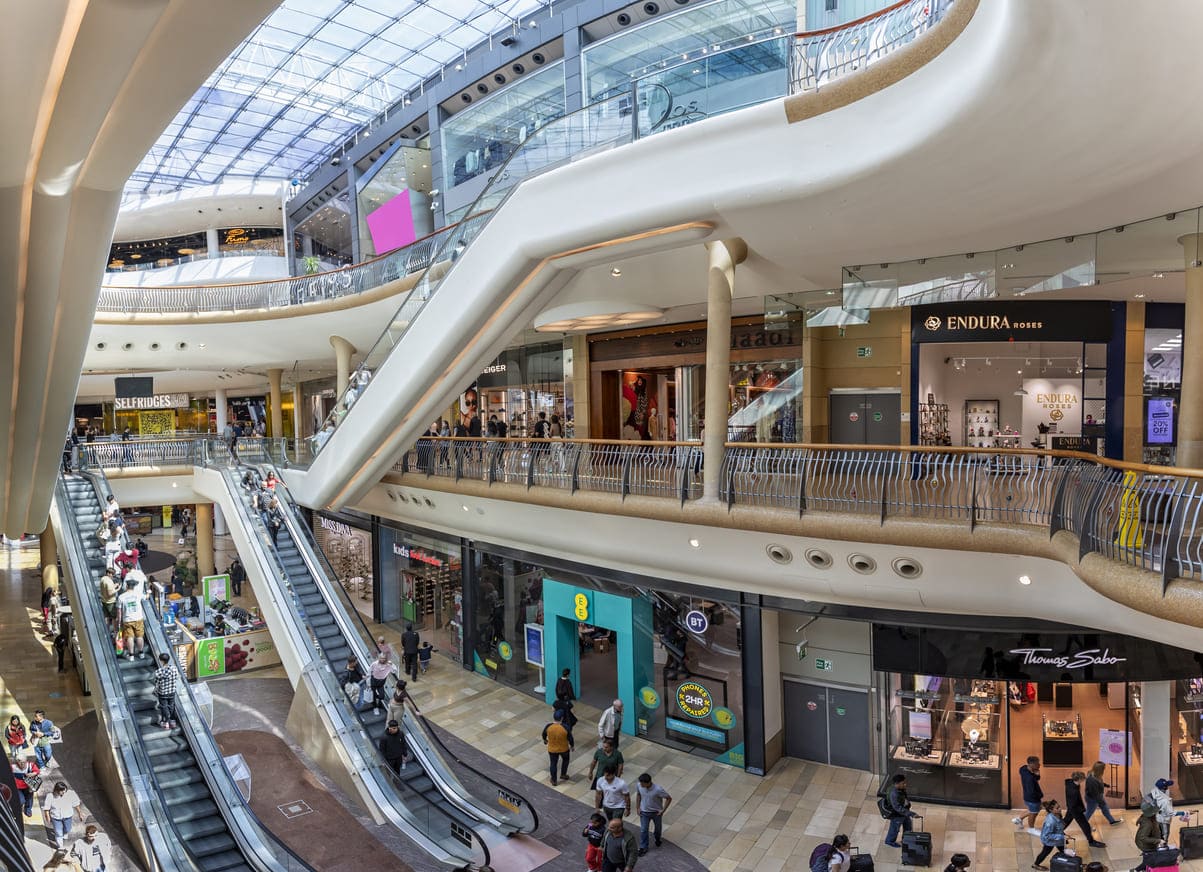
A decade ago the shopping mall was written off as a relic. E-commerce was supposed to finish it. The obituaries were being written, the anchor stores were closing and the car parks were emptying.
The forecast was wrong. Malls are back, though not as we knew them. The reinvention is less about selling more products and more about making people feel good. Fashion, beauty and self-care now share the same roof. The mall is quietly turning into a wellness destination where people fold into ordinary life.
Behind the shift sits a very big number. The global wellness economy reached 6.8 trillion dollars in 2024, larger than sport, tourism or IT. It now grows faster than the world economy itself.
From transaction to wellbeing
For years, a mall was a machine for transactions. You went in, you bought, you left. Online shopping did that job better and cheaper, so the transactional mall lost its reason to exist.
The survivors changed the question. Instead of asking how to sell more, they asked how to make people stay longer and come back sooner. Property advisers at CBRE put it bluntly. Experiential features that were once nice to have are now must-haves.
That reframing has paid off with a younger crowd. A 2024 survey by the International Council of Shopping Centres found that 62 percent of Gen Z visit malls mainly to socialise or be entertained, with shopping a secondary motive. In the first half of 2025, footfall and average dwell time at United States indoor malls both edged up, the first sustained gains in years. In Britain, shopping centres logged a 6.1 percent year-on-year rise in footfall in mid-2025.
The wellness economy moves indoors
Wellness is no longer a niche. It represents more than 6 percent of global GDP and is forecast to approach 10 trillion dollars by 2029. Personal care and beauty alone is worth over 1.3 trillion. Mental wellness is one of the fastest growing corners of the whole market.
Two forces explain the appetite. People are stressed and people want to age well. Around 40 percent of Gen Z say they feel almost always stressed. A recent McKinsey study found that 60 percent of consumers rank healthy aging as a top priority. The mood has shifted from chasing transformation to building routines. Maintenance over miracles.
All that spending needs somewhere to happen. Increasingly it happens in the mall, where a beauty counter, a skincare clinic, a gym and a healthy lunch sit within a few steps of each other.
Where fashion, beauty and fitness meet
This is where the three threads knot together. A single afternoon can now hold a wardrobe refresh, a facial, a spin class and a proper meal. Beauty has been recast as self-care rather than vanity. Fitness has moved from a chore to a social ritual. Even the architecture plays along, with natural light and greenery shown to lift mood and keep visitors around longer.
Beauty retailers see it too. Chains have begun folding supplements, sleep aids and wellness ranges into shelves once reserved for lipstick, blurring the line between looking good and feeling well.
The clearest example of the model is Westfield Century City in Los Angeles. After a one-billion-dollar redesign completed in 2017, the Westfield shopping mall blends on-trend fashion, a premium Equinox club and spa, beauty houses, celebrated restaurants and a packed calendar of events under one open-air roof. You can train in the morning, shop in the afternoon and stay for dinner without ever leaving. Shopping is only one reason to go.
That is the point. When self-care anchors the visit, the trip stops being an occasional errand and starts becoming part of the weekly rhythm.
Why this matters for retail strategy
For landlords and brands, this is not soft branding. It is hard economics. A gym member comes several times a week. A beauty regular returns every month. A shopper might turn up twice a year. Wellness tenants manufacture the one thing malls crave, which is frequency.
So the yardstick is changing. Sales per square foot mattered in the old model. Time and repeat visits matter more in the new one. That logic is pulling malls toward mixed use, with clinics, co-working, fitness and even homes layered on top of retail. The best located centres are pulling ahead. Weaker ones that cannot fund the reinvention keep sliding.
None of this is a guarantee. The upgrades cost a fortune. The revival is uneven too. Prime centres in wealthy, well connected areas are thriving while weaker sites keep losing ground. Wellness is a strategy, not a magic word.
Europe sits right in the current. Its wellness market is one of the fastest growing in the world. Its dense city centres are well suited to shopping destinations that double as places to look after yourself.
A new kind of everyday
The mall is shedding its old identity as a monthly shopping trip. In its place is something closer to everyday infrastructure for wellbeing, a place to move, eat, refresh and unwind as much as to buy.
For retailers and operators, the opportunity is simple to state and hard to win. Earn a place in the weekly routine, not just on the receipt. The centres that manage it will not just survive the next decade. They will define it.
Disclaimer: This article contains sponsored marketing content. It is intended for promotional purposes and should not be considered as an endorsement or recommendation by our website. Readers are encouraged to conduct their own research and exercise their own judgment before making any decisions based on the information provided in this article.