By the team at Fused Air — Electrical Services, Brisbane, Australia
Most business owners think about electrical systems only when something goes wrong. A tripped circuit, a flickering light, or — in the worst cases — an electrical fire or injury. This reactive approach is not only costly; it is avoidable. Businesses that treat electrical safety as an ongoing priority consistently experience lower maintenance costs, fewer operational disruptions, and a safer environment for staff and customers.
Here is what proactive electrical safety looks like in practice, and why it matters more than most businesses realise.
The Real Cost of Electrical Failures
Electrical faults are among the most common causes of commercial property fires in Australia. Beyond the obvious risk to life and property, even minor electrical failures carry significant business costs:
- Downtime: An unexpected outage during trading hours can cost a hospitality or retail business thousands of dollars in lost revenue within a single afternoon.
- Equipment damage: Power surges and overloads caused by faulty wiring or an inadequate switchboard can destroy computers, servers, kitchen equipment, and manufacturing machinery.
- Liability exposure: If an electrical fault injures a staff member or customer, the consequences — legal, financial, and reputational — can be severe.
The cost of preventive maintenance and timely upgrades is almost always a fraction of the cost of recovering from a serious electrical failure.
What a Compliant Electrical System Looks Like
In Australia, commercial electrical installations must meet the requirements of AS/NZS 3000 (the Wiring Rules) and any applicable state regulations. In Queensland, this means all electrical work must be carried out by a licensed electrical contractor, and certain installations require certificates of compliance.
A compliant commercial electrical system typically includes:
- A modern switchboard with correctly rated circuit breakers and RCD protection on all relevant circuits
- Wiring rated appropriately for the current load and with capacity for future growth
- Tested and tagged portable appliances, where required by workplace health and safety regulations
- Adequate earthing and surge protection for sensitive electronic equipment
Many older commercial properties — particularly those that have changed use or undergone piecemeal fit-outs over the years — do not meet these standards without remedial work.
The Role of Regular Electrical Inspections
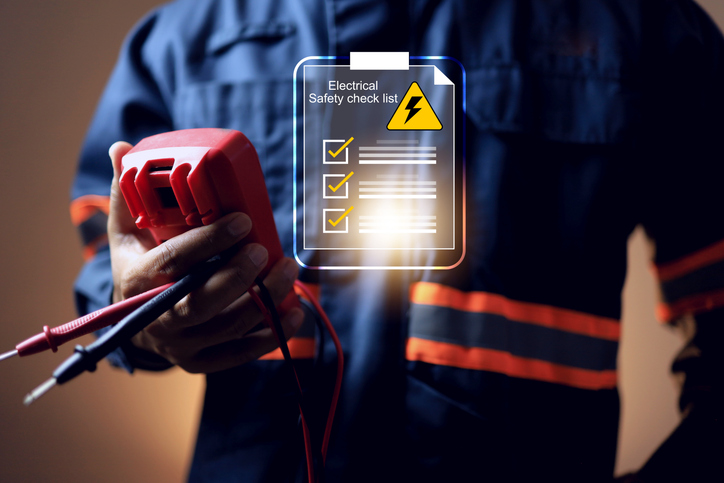
Scheduled electrical inspections are the foundation of a proactive safety approach. A licensed electrician will assess the condition of your wiring, switchboard, and installed equipment, identify potential fault points, and recommend remedial action before a failure occurs.
For most commercial properties, an inspection every two to three years is appropriate. High-demand environments — commercial kitchens, manufacturing facilities, data centres — warrant more frequent review.
Beyond safety, regular inspections often identify efficiency opportunities: circuits drawing more power than expected, equipment that would benefit from load balancing, or infrastructure that is already limiting your business’s capacity to grow.
Practical Steps for Business Owners
If you are unsure about the condition of your premises’ electrical infrastructure, the following steps provide a structured starting point:
- Commission an electrical audit. A thorough inspection by a licensed electrician will give you a clear picture of your current compliance status and any priority areas for remediation.
- Review your switchboard. If your board is more than 15 to 20 years old, or if you have experienced repeated tripping, have it assessed. Switchboard replacement is one of the most impactful electrical investments a business can make.
- Check your RCD protection. Residual current devices save lives. Ensure all circuits serving staff and customer areas have appropriate RCD protection installed and tested.
- Test and tag portable appliances. If your business uses portable electrical equipment, a regular testing and tagging programme ensures compliance and reduces fault risk.
Choosing the Right Electrical Contractor
Not all electrical contractors have experience with commercial environments. When selecting a provider, look for a licensed contractor with demonstrated commercial experience, clear communication about compliance requirements, and the capacity to carry out both remediation work and ongoing maintenance.
A good commercial electrician will not just fix problems as they arise — they will help you build a long-term maintenance plan that keeps your premises safe, compliant, and operationally reliable.
Fused Air provides commercial electrical inspections, switchboard upgrades, and compliance services to businesses throughout Brisbane and South East Queensland. Learn more about our electrical services Brisbane businesses depend on, or contact us directly to arrange a site assessment.