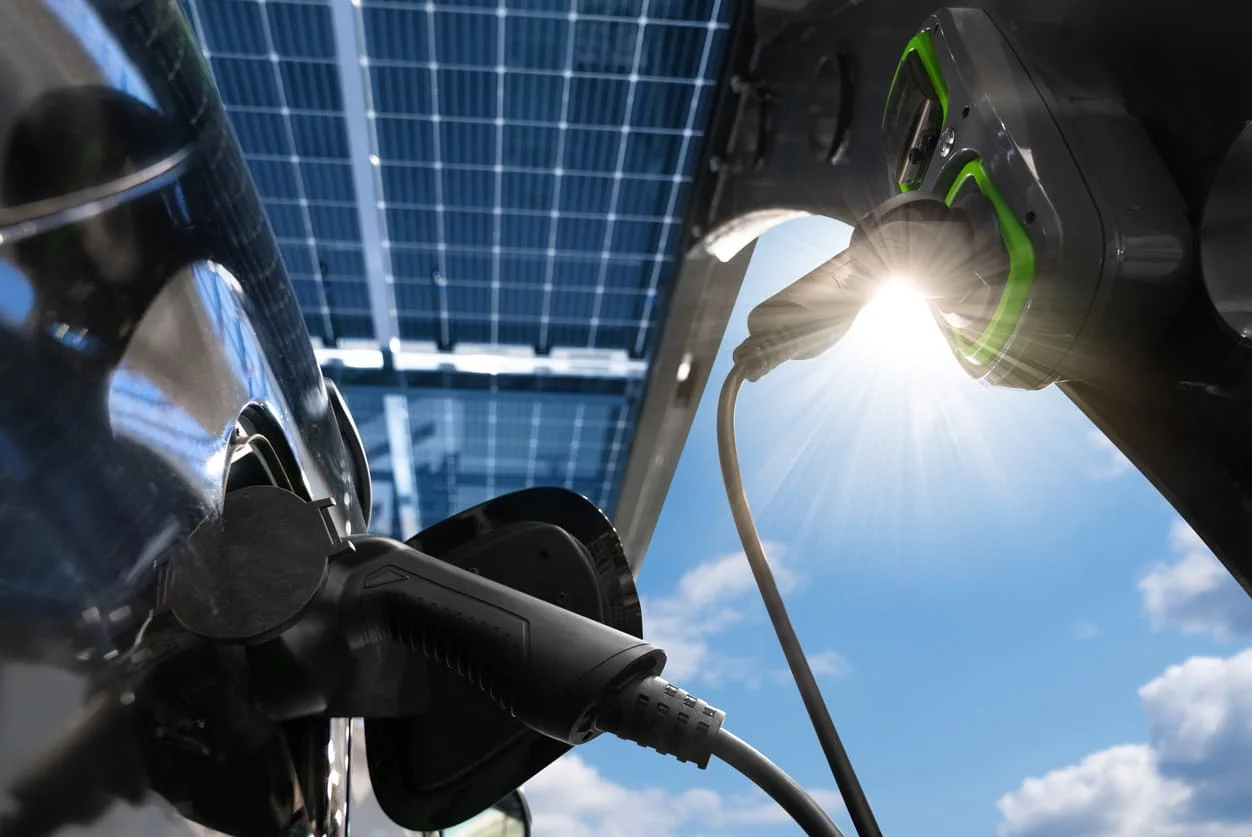
As renewable energy adoption continues growing, modern electrical systems are becoming more interconnected and dependent on sensitive electronics. Solar panels, EV chargers, battery storage systems, and smart energy controls now play a major role in homes and commercial facilities. While these technologies improve energy efficiency and sustainability, they also increase exposure to electrical surges that can damage expensive equipment within seconds.
Understanding what is a surge protection device and why it matters is essential for protecting solar and EV charging infrastructure from lightning strikes, unstable utility conditions, switching surges, and internal electrical disturbances. Without proper protection, even a short voltage spike can interrupt operations, shorten equipment lifespan, and lead to costly repairs.
Understanding Electrical Surges in Modern Installations
Electrical surges are sudden increases in voltage that travel through wiring and power distribution systems. Although these events may last only fractions of a second, they can still damage sensitive electronics and connected equipment.
Where Surges Come From
Surges may originate from external or internal sources. Lightning strikes near utility lines are among the most severe causes, but many voltage disturbances are generated inside the electrical system itself. Utility switching, power restoration after outages, equipment startup cycles, and internal faults can all create unstable voltage conditions.
Repeated low-level surges are also dangerous because they slowly degrade electronic components over time. Modern renewable energy systems rely heavily on semiconductor-based electronics that are more sensitive than traditional electrical equipment.
Why Renewable Energy Systems Are Vulnerable
Solar and EV charging systems contain advanced electronics that require stable voltage conditions to operate correctly. These include:
- Solar inverters
- Battery management systems
- EV charging modules
- Communication interfaces
- Monitoring and automation controls
Because these components are expensive and central to system operation, surge-related damage can result in significant downtime and maintenance costs.
What Is a Surge Protection Device?
A surge protection device, or SPD, limits transient overvoltage by redirecting excess electrical energy away from connected equipment. When voltage rises beyond a safe level, the SPD reacts almost instantly and diverts the surge current safely to ground.
This process helps preserve system stability and protects valuable infrastructure from electrical stress. In renewable energy installations, SPDs help maintain consistent power generation, stable charging operation, and reliable communication between connected devices.
Main SPD Types
Different SPD classifications are used throughout an installation, and each serves a specific role.
| SPD Type | Main Function | Installation Point |
| Type 1 | Handles large external surges | Main service entrance |
| Type 2 | Protects internal circuits | Distribution boards |
| Type 3 | Protects sensitive electronics | Point-of-use equipment |
Using multiple SPD layers creates a stronger and more balanced protection strategy.
Why Solar Installations Need Surge Protection
Solar energy systems are naturally exposed to outdoor environmental conditions. Most photovoltaic installations are placed on rooftops or open spaces where lightning activity and atmospheric disturbances increase electrical risk.
Protecting Both AC and DC Sides
Even indirect lightning strikes can create powerful transient voltages that travel through nearby infrastructure and enter the solar system through conductive wiring. These surges may affect both:
- The DC side between solar panels and the inverter
- The AC side connected to the utility grid
Because surges can travel through both pathways, complete system protection requires coordinated SPD installation across the entire electrical network.
Sensitive Components at Risk
Several critical solar components are highly vulnerable to electrical disturbances. Solar inverters, combiner boxes, monitoring systems, battery storage units, and smart energy controllers all depend on stable voltage conditions.
If one of these components fails, the entire energy system may experience interruptions, reduced efficiency, or expensive repair requirements. Proper surge protection helps reduce these risks while supporting long-term operational reliability.
The Growing Importance of Surge Protection in EV Charging
Electric vehicle charging systems are becoming increasingly common in homes, workplaces, commercial facilities, and public infrastructure. As charging technology evolves, these systems handle larger electrical loads and more advanced communication functions.
High Electrical Demand Increases Risk
EV chargers continuously transfer high levels of energy during charging cycles. This creates greater sensitivity to transient overvoltage events. Voltage surges can damage charging stations, vehicle electronics, communication systems, and smart charging software if no protection is installed.
Many chargers are also installed outdoors, where they are exposed to rain, humidity, temperature fluctuations, and lightning activity. These environmental conditions create additional stress on electrical systems and increase the importance of reliable surge protection.
Supporting Long-Term Charging Reliability
As EV adoption expands, charging infrastructure must remain dependable and safe. Proper surge protection helps maintain stable charging performance while reducing equipment wear and unexpected downtime.
Benefits of Installing SPDs in Renewable Energy Systems
Surge protection provides more than immediate equipment defense. One of the biggest advantages is reduced long-term maintenance expense. Replacing damaged inverters, charging modules, or communication systems can become extremely costly, especially in large commercial installations.
SPDs also help extend equipment lifespan by minimizing repeated electrical stress. Even smaller transient events gradually weaken electronics over time, so reducing voltage fluctuations improves long-term reliability.
Another important benefit is operational stability. Renewable energy systems rely heavily on communication between interconnected devices. Monitoring platforms, automation systems, cloud-based controls, and smart charging infrastructure all require stable electrical conditions to function properly.
Choosing the Right Surge Protection Strategy
Effective surge protection depends on installation size, lightning exposure, utility conditions, and equipment sensitivity. For many renewable energy systems, a layered approach is recommended.
| System Area | Recommended Protection |
| Main electrical panel | Type 1 SPD |
| Solar inverter circuits | Type 2 SPD |
| EV charging stations | Type 2 SPD |
| Sensitive smart controls | Type 3 SPD |
This setup allows each SPD type to handle a different level of electrical stress while improving overall system resilience.
Installation Quality Matters
Even the best SPD will perform poorly if installed incorrectly. Proper grounding, cable routing, and coordination between protection stages are essential for reliable operation.
Routine inspection is also important because SPDs gradually wear down as they absorb repeated surge events. Warning light changes, physical damage, or declining performance may indicate replacement is necessary.
The Future of Electrical Protection in Smart Energy Systems
Renewable energy systems and EV infrastructure continue expanding across residential, commercial, and industrial sectors. As electrical systems become more connected, they also become more dependent on advanced electronics, cloud-based monitoring, battery storage technology, and intelligent automation.
This growing complexity increases the importance of reliable surge protection. Stable electrical protection not only supports equipment safety but also contributes to improved energy efficiency, lower maintenance costs, and stronger infrastructure resilience. CHINT provides electrical solutions that help improve system stability and support safer energy distribution across a wide range of renewable energy and EV charging applications.
Conclusion
Understanding what is a surge protection device is essential for anyone investing in solar power systems or EV charging infrastructure. While these technologies deliver major environmental and operational benefits, they also rely on sensitive electronics that require protection from unpredictable voltage surges.
By implementing coordinated surge protection across key installation points, you can reduce equipment damage, improve operational reliability, and support long-term system performance. As renewable energy adoption continues expanding worldwide, surge protection remains a critical part of building safer and more resilient electrical infrastructure.