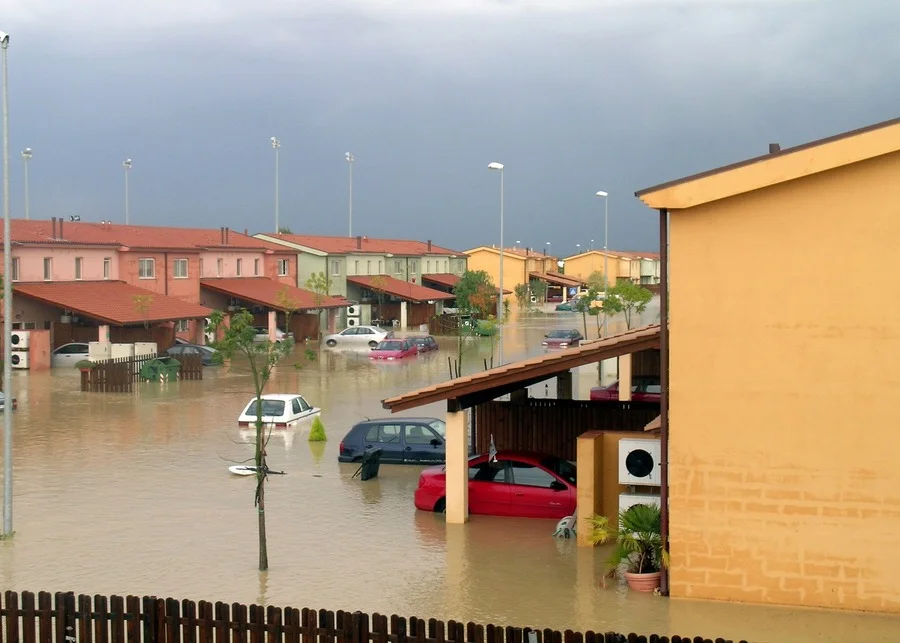
A flood damaged midsize sedan that insurers paid out on in Louisiana last September showed up at a port in West Africa by mid October, still wet around the door sills, and was moving through a retail lot in Accra by the end of the year. Nobody in Ghana had any way to check the Louisiana insurance claim. Nobody had access to the salvage title that had been issued in the United States three weeks before the ship left. The buyer saw a clean looking car with minor cosmetic issues and paid roughly what a used sedan goes for in that market, which is to say a lot more than the vehicle was worth.
That pipeline is not new, but the pace is. After Hurricane Helene and the follow on flooding that hit parts of the southeast late last year, the National Insurance Crime Bureau flagged somewhere between 138000 and 347000 vehicles as potentially flood damaged, depending on whose damage model you believe, and a meaningful share of them never went anywhere near a crusher. Insurers total them, pay the claim, and the salvage gets bought at auction within days. From there, the clock starts ticking against any jurisdiction that might want to flag the vehicle before it disappears.
“We are seeing cars leave the country before the title brand even lands in our system,” said Scott Lambert, who has worked consumer protection cases on the fraud side for years in one southern state’s attorney general’s office. He said the gap between when an insurer declares a loss and when that information actually populates in the federal database used by DMVs can run anywhere from a few weeks to several months, and in that window, the vehicle is effectively invisible to foreign buyers trying to check it. The National Motor Vehicle Title Information System was built to close that gap domestically. It does nothing for a port inspector in Lagos or Karachi.
The problem isn’t limited to hurricanes. Last summer’s flooding in central and eastern Europe sent a similar wave of damaged inventory into cross border markets that are, frankly, even harder to track. Vehicles from Germany, Austria, and Czechia moved into the secondhand pipelines in the Balkans, North Africa, and the Middle East within weeks of the water receding. Some still had mud in the spare tire wells when they were photographed for online listings three thousand kilometers away. European insurers have fewer flood cars than American insurers do proportionally, which sounds like good news, but the ones that do get written off often skip the salvage auction entirely and go straight to export brokers who have been doing this for twenty years and know exactly which paperwork gets scrutinized where.
An investigator with one state DMV, speaking about domestic flow before vehicles even reach the export stage, said she sees maybe a dozen flood branded cars a month come through her desk that have somehow been retitled clean in another state. “The branding should follow the VIN, and technically it does, but there’s always a lag, and there’s always a state that processes the paperwork faster than it cross checks with NMVTIS,” she said. By the time the flag appears, the vehicle has been sold two or three times, shipped to a consolidator in Texas or New Jersey, and loaded into a container. Her office can’t reach it after that point, even if they wanted to.
A vehicle history analyst behind the ford vin check at vinnumber.net pointed out that the most frequent profile they see in flagged post disaster exports is a three to six year old crossover or full size pickup with moderate interior water exposure and clean exterior sheet metal, which photographs well and cleans up well and presents, to a buyer in a market without deep access to the originating country’s title brand records, as a barely used import. That analyst added that about 40% of the VINs they check for international buyers show some form of disaster related history that the buyer had no prior knowledge of, though she noted the sample is skewed toward buyers who already suspected something was wrong and paid for a report, so the real rate across all imports is probably lower.
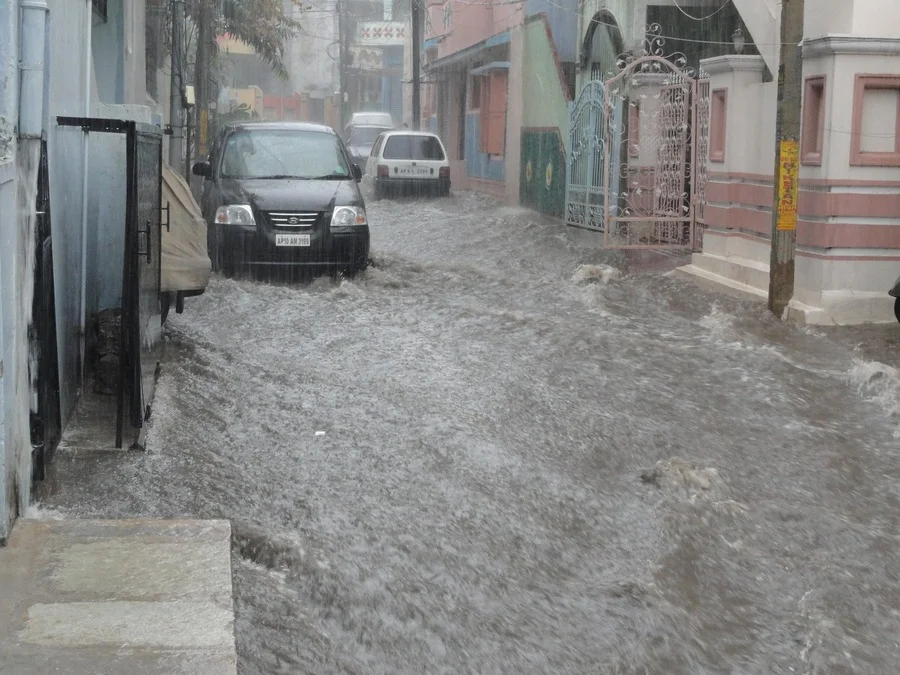
Hurricane season numbers have gotten harder to ignore. The 2024 storms in the United States produced damage estimates that ran past 100 billion dollars combined, and even a conservative take on the vehicle share of that loss puts the total in the hundreds of thousands. NICB put the estimate for Helene and Milton together at around 138000 flood damaged vehicles, while other analysts pushed the number above 300000 once you count cars that sat in saltwater long enough to have electrical problems nobody has discovered yet. Compare that to the Harvey and Irma aftermath in 2017, when the federal estimate landed around 630000 damaged vehicles, and you get a sense of the scale this pipeline has been operating at for the better part of a decade.
The speed part is what has changed. A container ship from Savannah or Newark can reach West Africa in about two weeks, and customs at the destination port is looking for narcotics and undeclared cargo, not checking the National Motor Vehicle Title Information System, which they cannot access anyway because it is a domestic US database tied to state DMV cooperation. The same goes for ports in Central Asia, the Caucasus, and South America. European export flows run faster still, with vehicles from German flood zones showing up in Poland and Romania within days, then moving further south over the next few weeks.
A fraud investigator working out of a federal task force said the title washing angle gets most of the attention, but the export angle is where the actual money is made. “Title washing within the US is maybe a 15 or 20% markup for the person doing it,” he said. “Getting that same car to a market where nobody can check the history? You are looking at double or triple, and the buyer has almost no recourse when the problems start showing up six months later.” He said his unit has tracked at least three rings in the past two years that used shell companies in Delaware and Florida to move flood titled inventory into export channels, and he is confident those are the ones they caught.
There is no realtime international data sharing system for vehicle title brands. There has been talk about one for at least fifteen years. The closest functioning version is the patchwork of bilateral agreements between certain EU member states and a few non EU neighbors, which covers a narrow slice of the global flow and leaves most of the Global South buying cars on faith. A handful of private vehicle history platforms, which pull from NMVTIS and insurance databases, have become the de facto check for buyers in markets that lack their own infrastructure, but that only helps the buyers who know to ask.
Lambert said his office fields calls from overseas buyers maybe once a month now. They bought something through a broker, something went wrong, they did some research, and they are calling the state where the car was originally titled to see if anyone can help them. The answer is almost always no. The vehicle is gone, the paperwork is in order on the US side, and the jurisdiction where the buyer now lives has no authority over what happened in Louisiana, Florida, or North Carolina. He said the calls don’t really lead anywhere.