Online ordering isn’t just a trend anymore, it’s how most people order food now. Between Uber Eats, DoorDash, Grubhub, and a dozen other apps, customers have endless ways to get their favorite meals.
For restaurants, though, this convenience on the outside can feel like chaos behind the counter.
Juggling orders from multiple delivery platforms, keeping menus updated, and making sure nothing slips through the cracks takes real effort. And when you’ve got five tablets lighting up during rush hour, things can get messy fast.
That’s where integrating marketplace apps directly with your POS system comes in. It’s not flashy, but it’s the backbone of smoother, smarter online ordering operations.
The Challenge of Too Many Marketplaces Apps (When Not in Sync)
Running delivery through several third-party apps sounds like more business and it is but it also means more systems, more screens, and more room for error. Without integration and right restaurant automation, every order has to be manually punched into the POS. During a busy lunch rush, that’s a recipe for mix-ups and frustrated staff.
You’ve probably seen it happen:
- An order gets missed because a tablet notification went unnoticed.
- Someone enters the wrong item manually.
- Menus on one platform show old prices or unavailable dishes.
Each small mistake adds up, and before long, delivery times stretch and accuracy drops.
It’s not the team’s fault. It’s the system.
When your POS talks directly to these delivery platforms, all that noise disappears. Orders pop up in real time, the kitchen sees them instantly, and everything runs smoother. It’s one of those behind-the-scenes upgrades that makes a huge difference without anyone outside even realizing it.
How POS Integration Fixes the Order Management?
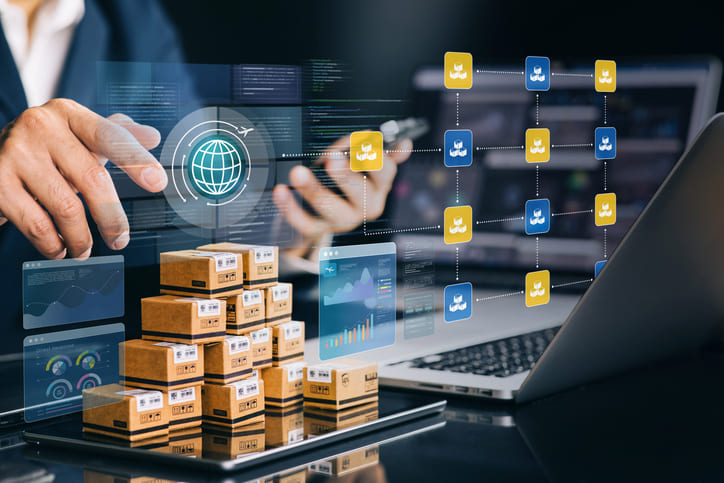
Think of POS integration as connecting all your delivery channels into one central brain. Instead of staff jumping between apps, all the orders flow right into your POS automatically.
Here’s what that looks like in action:
- Automatic Order Sync: Orders from Uber Eats, Grubhub, or DoorDash land straight in your POS. No retyping or double-checking.
- Menu Consistency: With smart menu management software change an item or a price once, and it updates across every platform instantly.
- Live Order Tracking: Both your team and customers can see real-time progress. No guessing or endless “is my food ready?” calls.
When everything connects properly, your team saves time, makes fewer mistakes, and keeps customers happier. It’s a small change that pays off big.
Why First-Party Ordering Still Matters?
Third-party apps are great for visibility and reaching new customers, but they’re not perfect. They take a hefty commission, limit your access to customer data, and control most of the communication.
That’s why having your own first-party online ordering system is just as important. When people order directly through your website or app, you’re in control of the experience, the data, and the profits.
A solid first-party setup gives you:
- No Commission Fees: What you earn is what you keep (3rd party apps charge up to 30%).
- Direct Customer Relationships: You own the data and can use it to reward loyalty or send special offers.
- Brand Control: Every part of the process feels like your restaurant, not someone else’s platform.
- Full POS Integration: Just like third-party orders, these go straight into your POS system too.
The best approach is the omnichannel approach to balance all. Use marketplace apps for reach and first-party ordering for loyalty. When they all connect through your POS, you’ve got a complete, efficient ecosystem.
Takeaway
Online ordering is now part of the restaurant DNA. But without integration, it can turn into a headache. Connecting your delivery apps and first-party platforms directly to your POS helps everything flows, faster, cleaner, and with fewer mistakes.
Restaurants that get this right save hours every week, boost accuracy, and give guests a better overall experience. The tech might be in the background, but the results show up front in smoother service and happier customers.