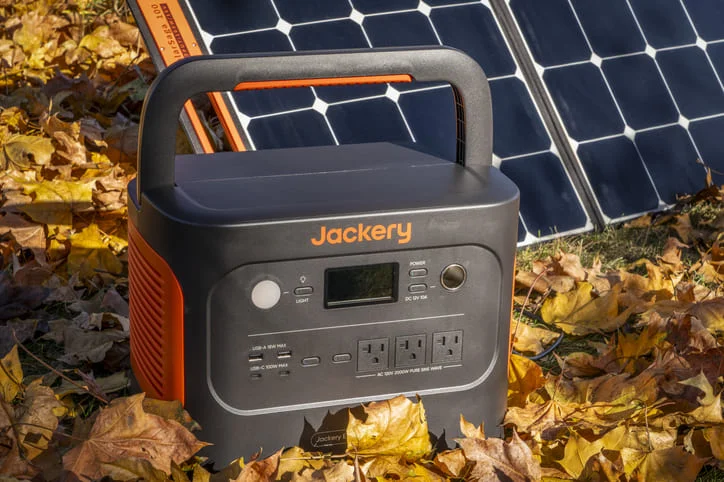
Portable power stations have moved from niche camping gear to mainstream household products in just a few years. Prices range from under two hundred dollars to well over three thousand, making the investment feel significant no matter which tier you choose.
The real question is not whether the technology works — it does. The question is whether a power station fits your life enough to justify the cost over simpler alternatives like power banks, car inverters, or gas generators.
This guide breaks down the scenarios where portable power stations pay for themselves quickly, where they fall short, and how to decide if one belongs in your home or your trunk.
What a Portable Power Station Actually Does
At its core, the device is a large rechargeable battery paired with an inverter that converts stored energy into usable AC, USB, and DC output. You charge it from a wall outlet, a car port, or solar panels, then use it anywhere grid power is unavailable.
Unlike a gas generator, it produces zero emissions, runs silently, and works safely indoors. Unlike a power bank, it delivers enough wattage to run full-size electronics — laptops, projectors, mini fridges, CPAP machines, and even small kitchen appliances.
How Capacity and Output Are Measured
Capacity is rated in watt-hours. A 500Wh unit can theoretically deliver 500 watts for one hour, or 100 watts for five hours. Real-world efficiency drops that number by roughly ten to fifteen percent due to inverter conversion loss.
The inverter rating determines the maximum wattage you can draw at once. A 600W inverter handles a laptop and phone charger simultaneously, but it cannot power a 1,500W microwave. Always match inverter output to your highest-demand device.
Battery Chemistry Matters
Most current models use LiFePO4 cells rated for 3,000 to 6,000 charge cycles, lasting a decade or more under normal use. Older NMC lithium-ion cells offer fewer cycles and lower thermal stability, so checking battery type before purchase saves money long term.
Real-World Operating Considerations
Standby Power Consumption: Portable power stations consume a small amount of power simply by being turned on, and units may experience self-discharge over time. If storing the device for emergency backup, check the charge level periodically and turn off the inverter when not in use to preserve your stored energy.
Scenarios Where a Power Station Pays for Itself
Not every buyer needs one, but in certain situations the return on investment is clear within months rather than years. These are the use cases where owners consistently report the purchase was worthwhile.
Camping and Outdoor Recreation
Weekend campers who bring LED lanterns, phones, a Bluetooth speaker, and a portable fridge find that a 500Wh power station replaces the hassle of multiple battery packs and noisy generators. One charge covers a full weekend at most campsites without any solar panels needed.
Emergency Home Backup
Grid outages from storms, heat waves, or infrastructure failures can last hours or days. A power station keeps phones charged, Wi-Fi routers online, and medical devices running when wall outlets go dead — all without the carbon monoxide risk that gas generators bring indoors.
- Phone and laptop charging during multi-day outages
- Keeping a Wi-Fi router and modem online for communication
- Running medical devices like CPAP machines overnight
Remote Work and Travel
Digital nomads and remote workers use power stations to set up temporary offices at parks, beaches, or co-working spaces without reliable outlets. A mid-range unit runs a laptop, monitor, and phone charger for a full eight-hour workday on a single charge.
Where a Power Station Falls Short
Honest evaluation requires looking at the limitations too. These units are not whole-home backup systems, and expecting one to replace your utility grid will lead to disappointment and wasted money.
Running High-Wattage Appliances
Air conditioners, electric heaters, and full-size refrigerators draw more power than most portable units can sustain for meaningful periods. A 2,000W unit might start a fridge compressor, but it will drain the battery within a few hours rather than the days that an outage might last.
Cost Per Watt-Hour Compared to Grid Power
Grid electricity costs roughly ten to fifteen cents per kilowatt-hour in most regions. A five-hundred-dollar unit delivering 500Wh costs one dollar per kilowatt-hour on its first cycle. The economics improve over thousands of charges but never beat grid pricing on pure cost alone.
| Metric | Power Station | Gas Generator |
|---|---|---|
| Upfront Cost | $300–$3,000+ | $200–$2,000 |
| Fuel Cost | $0 (electricity/solar) | $3–$8 per hour |
| Noise Level | Silent (0 dB) | 50–80 dB |
| Indoor Use | Safe | Carbon monoxide risk |
| Maintenance | None required | Oil, filters, spark plugs |
Situations Where a Power Bank Suffices
If your only need is charging phones and earbuds, a thirty-dollar power bank handles the job without the bulk or expense. Spending five hundred dollars for USB charging alone is poor value unless your needs extend well beyond mobile devices.
How to Calculate Your Personal ROI
Deciding whether a power station is worth the investment comes down to how often you will actually use it and how much value each use delivers compared to the alternatives available.
Step One: List Your Devices
Write down every device you plan to power, along with its wattage and the number of hours you need it running per session. Multiply wattage by hours to get the total watt-hours required for one typical use.
Step Two: Estimate Usage Frequency
A camper who goes out twelve weekends per year gets far more value than someone who camps once annually. Emergency backup value is harder to quantify, but homeowners in storm-prone regions can expect at least one multi-hour outage per year on average.
- Frequent outdoor users — high ROI within the first year of ownership
- Occasional campers — moderate ROI over two to three years of regular use
- Emergency-only buyers — lower ROI but high peace-of-mind value during outages
Step Three: Compare Alternatives
A car inverter costs under fifty dollars and powers devices from your vehicle battery while the engine runs. A gas generator costs less upfront but adds fuel, maintenance, and noise. A power station costs more initially but eliminates ongoing expenses entirely after the purchase.
Common Misconceptions Worth Clearing Up
Several myths around portable power stations lead buyers to either overspend or skip the purchase entirely. Sorting fact from assumption prevents both mistakes and sets realistic expectations before you commit any money.
A power station does not need direct sunlight to recharge. Wall charging fills most units in one to two hours, and solar serves as a supplemental option rather than the only method. Many first-time buyers assume solar is mandatory and delay purchasing because they lack roof panels.
- Solar charging is optional — wall and car charging work independently
- Modern LiFePO4 cells last a decade under normal use cycles
- Most units weigh under forty pounds and fit in a car trunk easily
What to Look for If You Decide to Buy
A power station earns its price through fast charging, long-lasting cells, and smart controls that make every use effortless. EcoFlow’s DELTA and RIVER series check every box — wall recharge in under an hour, LiFePO4 batteries rated for thousands of cycles, and expandable capacity through add-on modules.
For buyers who value speed, reliability, and a product ecosystem built for the long haul, this lineup covers every scenario from weekend camping trips to whole-home emergency backup with real-time app monitoring.
Disclaimer: This article contains sponsored marketing content. It is intended for promotional purposes and should not be considered as an endorsement or recommendation by our website. Readers are encouraged to conduct their own research and exercise their own judgment before making any decisions based on the information provided in this article.