European high-net-worth individuals rarely choose a city for one reason. A prestigious postcode may attract attention, but everyday life decides whether interest lasts. Travel links, privacy, reliable services, property choice and clear processes all shape the decision.
Cities therefore compete by making complex lives easier to manage, not merely by promoting impressive skylines, fashionable districts or polished hospitality to wealthy international residents.
Access Must Work in Practice
Global residents often move between business centres, family homes and leisure destinations. A city may look well connected on paper, yet convenience is felt through airport access, local roads and the time required to cross town.
Simple journeys matter. They protect working hours, make spontaneous travel possible and reduce the strain of maintaining commitments in several places. For many HNWIs, that practical ease can outweigh a famous address. It also affects whether family members can travel independently without every movement needing careful advance planning.
Housing Must Suit Real Routines
Luxury buyers do not all want the same kind of home. One household may prioritise privacy and space, while another wants a managed apartment near offices, restaurants and cultural venues.
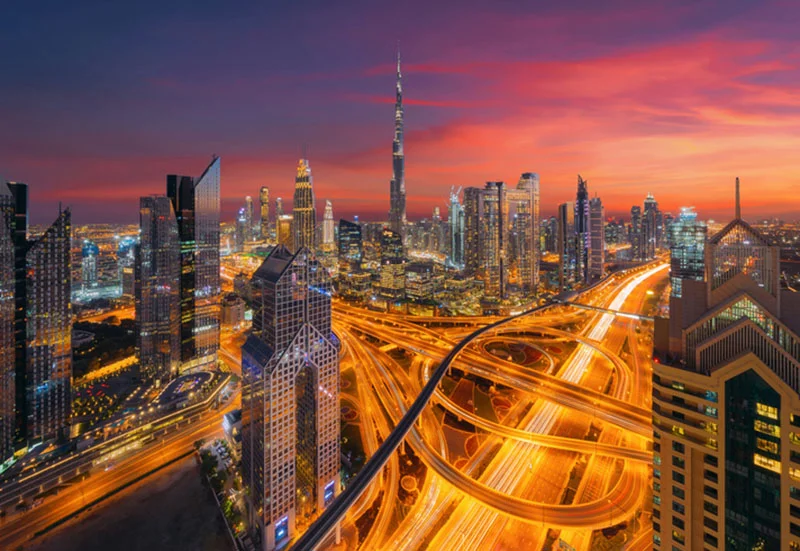
Cities that cater to these different lifestyles are often the ones that attract international buyers. Downtown Dubai is one example, offering a mix of luxury apartments within walking distance of business districts, dining, retail and cultural attractions. For many buyers seeking a well-connected urban base, this combination of convenience, maintenance and accessibility is just as important as the property itself.
The location should support the owner’s routine rather than simply look impressive in a brochure. A suitable home should also remain manageable during long periods when the owner is elsewhere.
Quality of Life is Personal
Cities often promote culture, dining and leisure, but wealthy residents judge them through ordinary days as well. They notice whether appointments run smoothly, neighbourhoods feel comfortable, and household needs can be handled without repeated effort.
Education, healthcare, recreation and professional support all contribute to this picture. The winning city is not necessarily the busiest. It is the one that offers enough choice while still allowing residents to protect their time and privacy. Ease matters more when several generations of a family may use the city differently.
Trust Encourages Longer Stays
A city becomes more attractive when important decisions feel understandable. Buyers want clear information about ownership, management, ongoing charges and the responsibilities attached to a property.
The same expectation applies to banking, legal work and business administration. Good professional support does not remove the need for due diligence, but it can make the process less confusing.
Confidence grows when people know where to seek answers and receive consistent guidance. Unclear procedures, by contrast, can weaken interest even when the wider lifestyle appears attractive.
Privacy and Participation Must Balance
HNWIs usually want discretion, though complete isolation is rarely practical. They may prefer controlled access at home while remaining close to work, social life and essential services.
Cities compete by offering both privacy and participation. Calm residential settings, discreet service and efficient movement allow people to stay connected without feeling constantly visible.
That balance often determines whether a place works for occasional visits or becomes a genuine base. It also shapes whether residents feel comfortable bringing family, colleagues or guests into their daily environment.
Conclusion
Cities competing for European HNWIs need to look beyond prestige. Connectivity, suitable housing, trusted services and daily comfort carry more weight once the first impression fades.
The strongest destination is usually the one that removes friction without limiting choice. That practical fit can support changing priorities. When travel, work, family life and property ownership fit together naturally, wealthy residents have a clearer reason to stay, return and build a longer, meaningful relationship with the city.