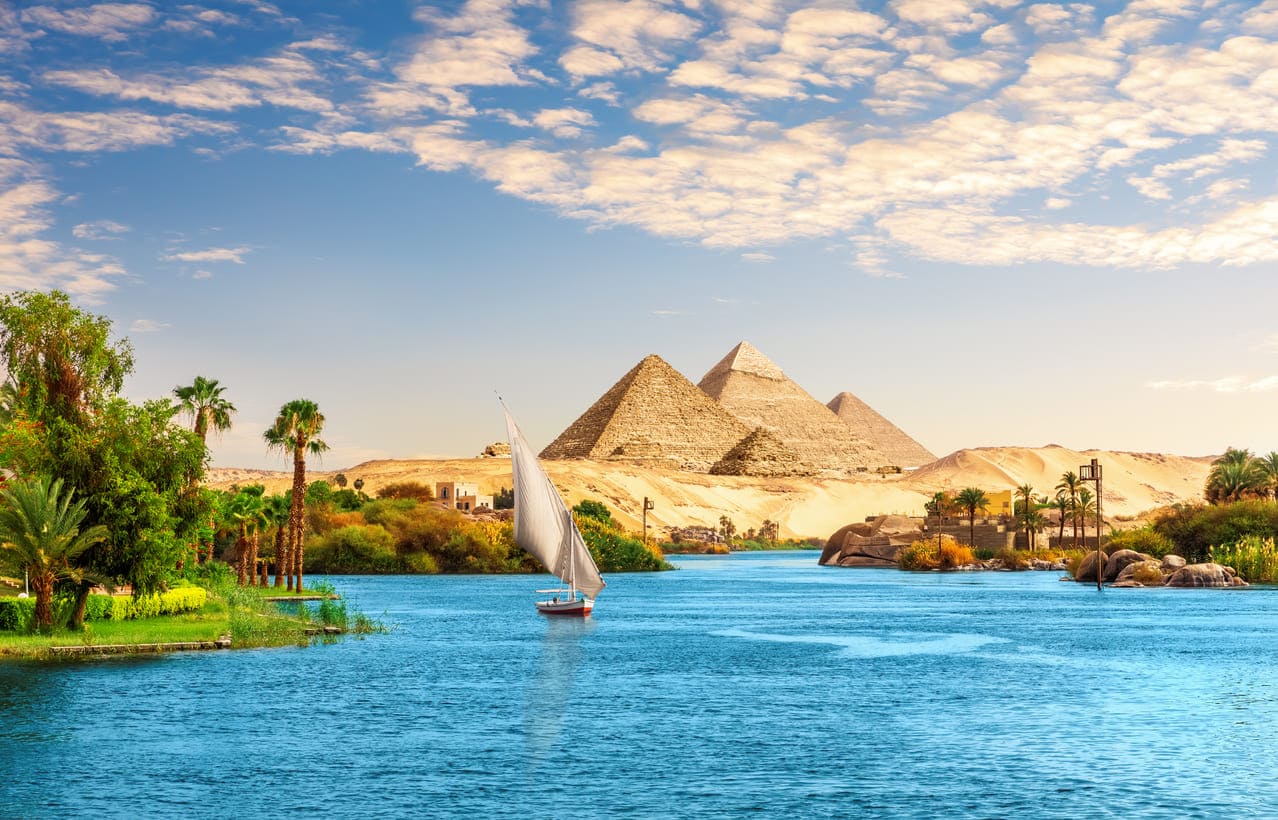
Egypt has captivated travelers for centuries — and for good reason. Few destinations on earth offer such a layered experience: ancient monuments that redefine human ambition, a living river culture stretching thousands of miles, and a modern hospitality scene that has quietly become world-class. But planning a high-end Egypt itinerary requires more thought than simply booking a five-star hotel. This guide walks through everything worth knowing before you go.
Why Egypt Rewards the Slow Traveler
Most first-time visitors underestimate how much Egypt has to offer beyond the Pyramids. While the Giza Plateau is an unmissable starting point, the real depth of the experience opens up when travelers move beyond the obvious checklist. Upper Egypt — the stretch between Luxor and Aswan — contains some of the most remarkable temple complexes ever built, many of which see only a fraction of the crowds that descend on Cairo.
The key to a satisfying luxury trip is building in enough time. A minimum of ten days allows for a comfortable balance between Cairo, a Nile cruise, and one or two additional stops. Travelers researching luxury Egypt tour packages often find that structured multi-destination itineraries help make the most of limited time without the stress of planning every detail independently.
The Best Time to Visit Egypt
Climate is the single most practical factor in planning. Egypt’s peak travel season runs from October through April, when daytime temperatures across most of the country stay comfortable for outdoor sightseeing. Summer months bring intense heat — particularly in Luxor and Aswan, where temperatures routinely exceed 40°C — which makes extended temple visits physically demanding.
The shoulder months of October and April tend to offer a good balance: reasonable weather, fewer crowds than peak December–January, and slightly lower rates at top hotels. Resources like Egy Vacations provide useful seasonal breakdowns alongside itinerary options, which can help with timing decisions before booking. Ramadan, while a culturally rich time to visit, can affect restaurant hours and the pace of services in some areas.
Key Destinations Worth Including
Cairo and Giza
The Egyptian Museum, the Islamic quarter around Al-Azhar, and the Coptic district each deserve at least half a day. The Pyramids and the Sphinx are best visited early morning to beat both the heat and the crowds. A private Egyptologist guide transforms the experience — the history is dense, and context makes the difference between awe and confusion.
Luxor
Often called the world’s greatest open-air museum, Luxor sits on the site of ancient Thebes. On the East Bank, the temples of Karnak and Luxor are connected by an ancient processional avenue lined with sphinxes, recently restored and open to evening visits. The West Bank holds the Valley of the Kings, the mortuary temple of Hatshepsut, and dozens of noble tombs with remarkably preserved painted interiors.
Aswan
Smaller and quieter than Luxor, Aswan has a distinctly different character — more Nubian in flavor, with a relaxed pace along the Nile and some genuinely exceptional boutique hotels. The temples of Philae and the unfinished obelisk are the headline sites; a day trip to Abu Simbel (either by early morning road transfer or a short flight) is worth the effort for anyone interested in Ramesses II.
The Red Sea
For travelers wanting to extend their trip, the Red Sea coast — particularly the waters around Hurghada and Marsa Alam — offers some of the best diving and snorkeling in the world. The marine biodiversity here is exceptional, and the infrastructure for liveaboard diving trips is well-developed.
Choosing the Right Nile Cruise
A Nile cruise between Luxor and Aswan is one of the most enjoyable ways to experience Upper Egypt. The journey typically takes three to four nights in each direction, and the slow pace of river travel suits the region well — many of the key temple sites are within walking distance of the docks.
The market ranges from large floating hotels with hundreds of passengers to intimate boutique dahabiyas (traditional wooden sailing vessels) that carry fewer than twenty guests. For travelers prioritizing comfort and exclusivity, a dahabiya offers something closer to a private charter experience, with flexible itineraries and direct access to sites that larger ships cannot reach.
Understanding what differentiates cruise classes — from vessel size to included excursions — is worth researching before booking. Traveler review platforms and specialist blogs often include detailed breakdowns of what each tier actually delivers on the water.
Accommodation: What Luxury Actually Means in Egypt
Egypt’s luxury accommodation market has matured significantly in recent years. In Cairo, a handful of international brands occupy historic properties along the Nile with views of the Giza Plateau. In Luxor and Aswan, some of the most atmospheric options are smaller heritage hotels — converted colonial-era properties or Nubian-influenced boutique stays — that offer a more textured experience than large resort chains.
When evaluating options, location matters more than star rating. A well-located four-star property that allows easy access to sites will typically serve a traveler better than a five-star resort requiring lengthy transfers.
Getting Around: Domestic Transport Options
For travelers moving between Cairo, Luxor, and Aswan, domestic flights are the most practical option — journey times of around an hour compare favorably with the ten-plus hours by road. EgyptAir operates regular services on all major routes, and connections are generally reliable.
Within cities, private transfers are the recommended standard for luxury travel. Ride-hailing apps operate in Cairo and work reasonably well, but pre-arranged vehicles with English-speaking drivers offer more control over timing and routing, particularly when coordinating early morning arrivals at major sites.
Food and Dining
Egyptian cuisine is far more varied than many visitors expect. In Cairo, a thriving restaurant scene spans everything from hole-in-the-wall ful and ta’ameya spots that locals have been eating at for generations to upscale Egyptian restaurants with serious wine lists and contemporary interpretations of traditional dishes. Koshary — a layered street food of rice, lentils, pasta, and spiced tomato sauce — is one of the more distinctive flavors worth trying regardless of budget.
On a Nile cruise, dining is typically included and can range from reliable buffet spreads on larger ships to genuinely accomplished cooking on premium vessels. It’s worth asking about meal inclusions and kitchen quality when comparing cruise options.
Cultural Etiquette and Practical Tips
- Dress codes: Egypt is a predominantly Muslim country. At religious sites and in conservative areas, covering shoulders and knees is expected. This applies to both men and women.
- Photography: Many sites charge separately for camera permits; some tombs prohibit photography entirely to protect the pigments. Always check before shooting.
- Tipping culture: Baksheesh (tipping) is deeply embedded in Egyptian culture. Small tips for guides, drivers, and hotel staff are expected and appreciated.
- Currency: The Egyptian pound is the local currency; major hotels and restaurants accept cards, but cash is useful for markets, small tips, and local transport.
- Safety: Egypt’s main tourist corridors are well-maintained and heavily patrolled. The standard advice applies: stay aware of surroundings, use reputable operators, and register your travel with your country’s foreign affairs office if traveling from abroad.
Final Thoughts
Egypt rewards preparation. The more context a traveler arrives with — about the history, the geography, the cultural norms — the more the experience delivers. Beyond the monuments, what tends to stay with people is the texture of daily life along the Nile: the light in the early morning, the noise of a Cairo souk, the silence of a desert valley where kings were buried three thousand years ago.
With the right planning, a luxury trip to Egypt sits comfortably among the best travel experiences the world has to offer.