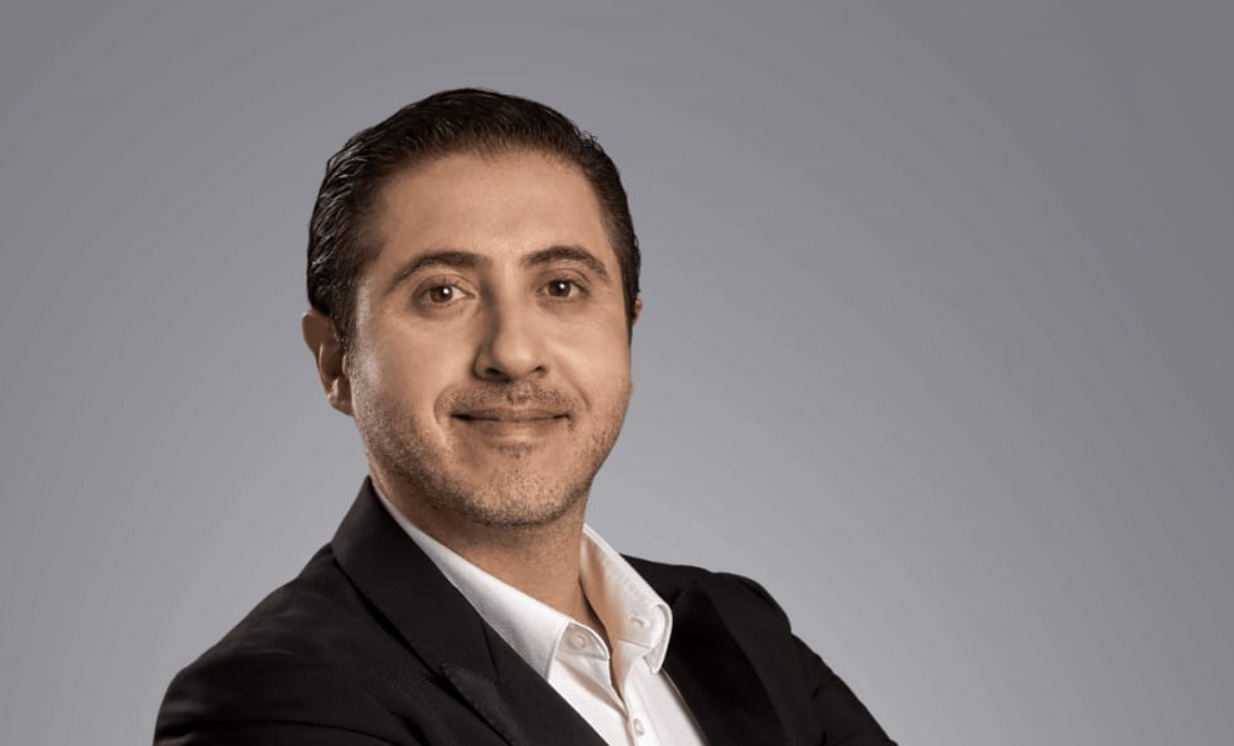
Eyal Avramovich has built his career around a simple but demanding principle. Success is not driven by timing or trends. It is built through discipline, execution, and the ability to think beyond immediate outcomes. Across technology, energy, and digital infrastructure, his work reflects a consistent focus on building systems that last.
From early inventions to large-scale digital infrastructure, Eyal Avramovich has approached each opportunity with the same mindset. He looks for gaps between perception and reality. He studies the fundamentals. Then he commits to execution over time.
This approach has shaped his leadership philosophy and positioned him as a business leader focused on long term value rather than short term visibility.
A Foundation Built on Discipline and Early Motivation
Eyal Avramovich’s mindset traces back to his early years. As a child, he set a personal standard that would define his work ethic. He committed to building a future where effort and discipline would determine outcomes.
That commitment became the foundation for everything that followed. It influenced how he approached problem solving, how he evaluated opportunities, and how he structured his businesses.
His early work as an inventor highlights this mindset. He developed practical products that solved everyday problems. Several of these products became commercially successful, including ultra thin consumer devices and automated systems designed for ease of use.
These early successes were not driven by luck. They were the result of consistent execution and a focus on delivering practical value.
Leadership Defined by Execution Over Ideas
Eyal Avramovich’s leadership philosophy centers on a clear distinction. Ideas are abundant. Execution is rare.
In his view, what separates high level entrepreneurs from others is not vision alone. It is the ability to execute consistently across changing conditions. Markets shift. Technologies evolve. External narratives change. The ability to remain focused on fundamentals becomes the differentiating factor.
He has seen this pattern repeatedly in emerging industries. During periods of rapid growth, many participants enter the market. When conditions tighten, most exit. The leaders who remain are those who used slower periods to build infrastructure, strengthen operations, and position themselves for future growth.
This philosophy has shaped how his companies operate. Rather than reacting to short term market movements, they focus on long term positioning and operational strength.
Identifying Opportunities Others Overlook
A key part of Eyal Avramovich’s approach is his ability to identify opportunities in areas that are often misunderstood.
He does not follow surface level narratives. Instead, he analyzes the underlying mechanics of an industry. This allows him to identify where perception differs from reality.
In digital infrastructure, for example, many view certain sectors as speculative. He sees them as foundational systems that support broader economic and technological frameworks.
This perspective has guided his work in large scale infrastructure development. By focusing on efficiency, scalability, and long term viability, he has been able to build operations that serve institutional clients and operate across multiple regions.
The same principle applies to his work in energy. He focuses on how digital infrastructure and energy systems can work together. This includes identifying underutilized resources and building systems that improve efficiency over time.
Decision Making in Uncertain Environments
Operating in global markets requires constant decision making under uncertainty. Eyal Avramovich approaches this challenge through structured analysis rather than reactive thinking.
He breaks decisions into clear components. First, he evaluates the long term direction of the industry. Then he identifies which variables are within his control. Finally, he assesses risks that can be managed versus those that must be accepted.
This method allows him to make informed decisions even in volatile environments. It also ensures that short term noise does not disrupt long term strategy.
In practice, this means focusing on operational data, cost structures, and efficiency metrics while maintaining awareness of broader trends. By combining these elements, he creates a decision making framework that is both disciplined and adaptable.
Building Trust Across Global Partnerships
For Eyal Avramovich, reputation is not a secondary consideration. It is a core business asset.
His work involves large scale infrastructure projects, long term agreements, and partnerships across multiple jurisdictions. In these environments, trust becomes essential.
He emphasizes that trust is built through consistent performance, transparency, and reliability. It cannot be created quickly. It must be earned over time.
This focus has allowed him to build relationships with institutional clients and strategic partners around the world. These relationships are based on a track record of delivery rather than short term results.
He is also selective about the environments and platforms his businesses engage with. This reflects a broader commitment to maintaining credibility and aligning with partners who share similar standards.
Discipline as the Core of Sustainable Growth
Discipline is a recurring theme in Eyal Avramovich’s work. It applies to both personal habits and business operations.
In fast moving industries, it is easy to become reactive. Market shifts can create pressure to change direction quickly. Discipline provides a counterbalance. It ensures that decisions are aligned with long term strategy rather than short term emotion.
This approach is visible in how his businesses scale. Growth is managed carefully. Operations are expanded based on capacity and efficiency rather than external pressure.
He also applies discipline to risk management. By maintaining clear standards and avoiding unnecessary exposure, he ensures that growth remains sustainable.
Over time, this consistency creates stability. It allows businesses to navigate volatility while continuing to build value.
Balancing Vision With Operational Execution
Running multiple businesses requires a balance between long term vision and daily execution. Eyal Avramovich addresses this through structure and team development.
He builds teams that are capable of operating independently at a high level. This allows leadership to focus on strategic direction rather than daily tasks.
Clear processes and communication systems are central to this model. Each team operates with defined responsibilities and accountability. This ensures that daily decisions align with broader goals.
He also invests time in aligning strategy with execution. This includes regular evaluation of how operational activities contribute to long term objectives.
By maintaining this alignment, he ensures that growth remains focused and efficient.
Expanding Across Technology and Energy Systems
Eyal Avramovich’s work spans multiple sectors, including digital infrastructure, energy systems, and emerging technologies.
In each area, his focus remains consistent. He looks for ways to build systems that integrate efficiently and create long term value.
In digital infrastructure, this involves building facilities and systems that support large scale operations. These systems are designed for reliability, scalability, and efficiency.
In energy, he focuses on optimizing how resources are used. This includes exploring new approaches to production and distribution that reduce waste and improve performance.
He also recognizes the growing connection between digital systems and energy consumption. As computational demand increases, the need for efficient energy use becomes more critical.
By working at the intersection of these sectors, he positions his businesses to address future challenges.
A Long Term Approach to Legacy Building
For Eyal Avramovich, success is not measured by short term achievements. It is defined by the long term impact of the systems he builds.
He views his work as part of a broader effort to support the evolution of global infrastructure. This includes contributing to financial systems, energy efficiency, and technological development.
His goal is to build systems that remain relevant over time. This requires a focus on durability, adaptability, and responsible operation.
He also emphasizes the importance of contributing to larger systems rather than operating in isolation. By aligning his work with broader trends, he ensures that his businesses remain integrated into the evolving global landscape.
This perspective shapes how he evaluates opportunities and measures success.
Looking Toward the Future of Integrated Systems
Eyal Avramovich continues to focus on the intersection of technology and resource management. One area of particular interest is how intelligent systems can improve efficiency across industries.
He sees a future where advanced systems are used to optimize resource allocation in real time. This includes improving how energy is produced, distributed, and consumed.
In this model, digital infrastructure plays a central role. It becomes a flexible component that can adapt to changing conditions and support broader systems.
This approach reflects his overall philosophy. Rather than focusing on isolated breakthroughs, he focuses on how systems work together to create long term value.
As industries continue to evolve, this perspective positions him to remain aligned with future developments.
Building Systems That Stand the Test of Time
Eyal Avramovich’s work reflects a consistent approach to business and leadership. It is grounded in discipline, focused on execution, and guided by long term thinking.
He does not rely on trends or short term momentum. Instead, he builds systems designed to operate effectively over time.
Through this approach, he has developed businesses that operate across regions and industries while maintaining a clear strategic direction.
His focus on trust, operational strength, and long term value continues to define his work. As global systems become more complex, this approach provides a framework for sustainable growth and meaningful impact.