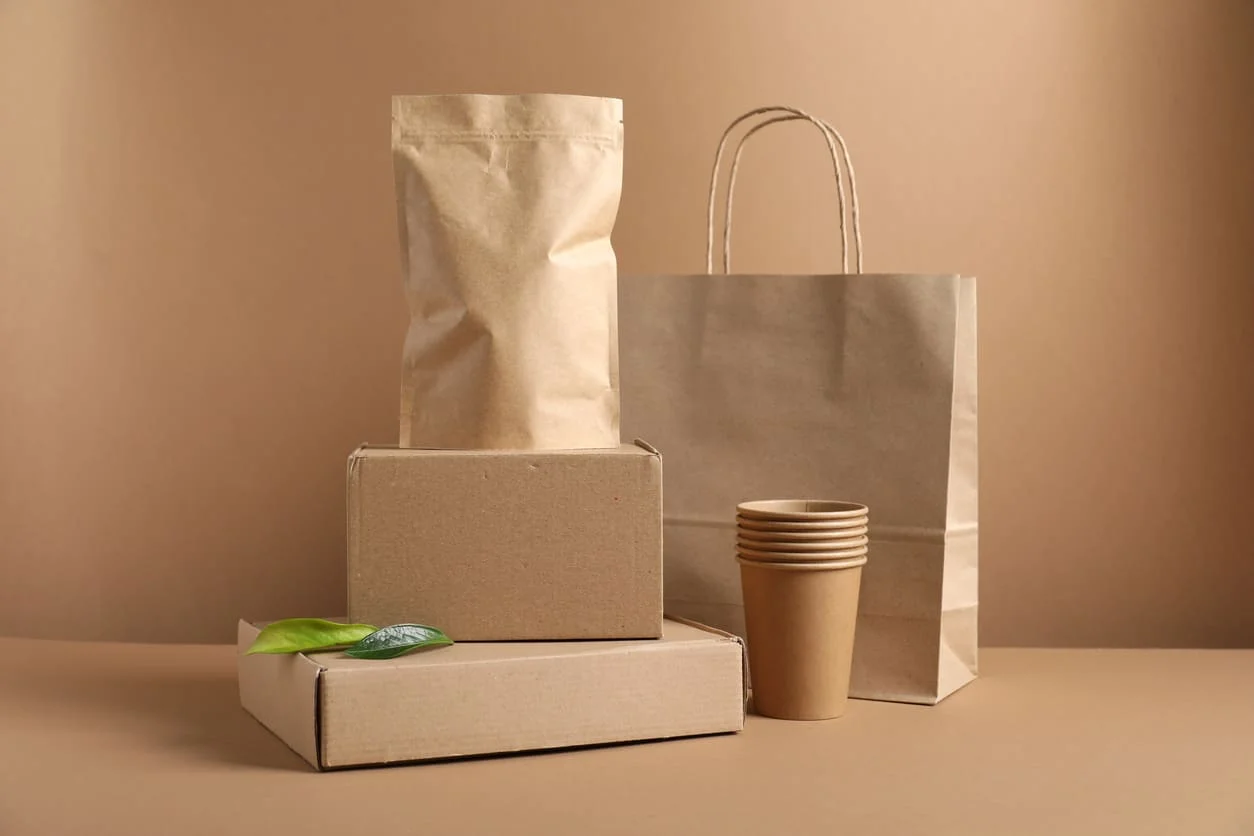
Eco-friendly packaging can feel expensive when you run a small business, but it does not have to be. You do not need a huge budget, a full rebrand, or thousands of custom boxes to make better choices. Many useful changes start with simple steps, like using less material, choosing recyclable pouches, or testing low MOQ packaging before placing a big order.
Your packaging is often the first thing customers touch, so it matters. It protects the product, shows your brand style, and tells people whether you care about quality. Good sustainable packaging should feel practical, clean, and honest. It should not look forced or full of big claims. The aim is simple: reduce waste, control cost, and still make your product look worth buying.
Why Small Businesses Should Care About Eco-Friendly Packaging
Packaging is one of the first things customers notice. Before they taste, use, or open the product, they already see how it is packed. If the packaging feels wasteful or too bulky, it can affect how they see your brand.
For small businesses, eco-friendly packaging can help create a better impression. It shows that the brand cares about quality, waste, and customer experience. It also helps your product look more modern and thoughtful.
Eco-friendly packaging can help small businesses:
- Reduce unnecessary waste
- Improve product presentation
- Build customer trust
- Lower shipping weight
- Keep packaging simple
- Support a cleaner brand image
1. Use Less Packaging First
The cheapest eco-friendly packaging idea is to remove what you do not need. Many products are packed with extra layers only because “premium” packaging is often confused with “more” packaging.
Check your current packaging and ask:
- Is the pouch or box too large?
- Are inserts really needed?
- Can filler be reduced?
- Can labels be cleaner?
- Can one material replace two?
Minimal packaging can make your product look modern and honest. It also helps with packaging waste reduction without adding new costs.
Important Note:
Less packaging should never mean poor protection. Test the product in storage, handling, and shipping before making the change.
2. Switch to Recyclable Pouches
Recyclable pouches are a practical option for small brands because they are lightweight, easy to store, and suitable for many products. They can work well for snacks, coffee, tea, powders, pet treats, dry fruits, spices, and supplements.
Recyclable packaging also feels familiar to customers. Most people already understand the basic idea of recycling, so it is easier to explain than some other packaging types. Still, your label should be clear. Instead of writing only “green packaging,” use a simple message such as “recyclable pouch” or “check local recycling rules.”
3. Try Biodegradable Packaging for Natural Products
Biodegradable packaging can be useful if your brand sells organic, wellness, handmade, or natural products. It matches the feeling customers already expect from these items.
Biodegradable pouches can suit:
- Herbal products
- Organic snacks
- Pet treats
- Skincare refills
- Handmade goods
- Wellness powders
The key is honesty. Do not use broad words that sound nice but say little. Tell customers what the packaging is and how they should handle it after use where possible.
4. Use Compostable Pouches Carefully
Compostable pouches can be a strong choice, but only when they match your customers’ habits. Compostable packaging works best when buyers understand composting or have access to proper composting facilities.
If your audience is eco-aware, this option can support your brand message. If not, recyclable pouches may be easier for them to use correctly.
| Option | Best For |
| Recyclable pouches | Everyday products |
| Biodegradable pouches | Natural brands |
| Compostable pouches | Compost-aware buyers |
| Stock pouches | Product testing |
| Custom pouches | Growing brands |
Pick packaging because it fits your product, not because it sounds trendy.
5. Start With Stock Packaging and Custom Labels
Full custom eco-friendly packaging is not always needed in the beginning. Stock packaging with custom labels is often enough for small batch packaging, product testing, and seasonal launches.
You can use one simple pouch style and add a label with your logo, product name, ingredients, weight, and disposal instructions. This keeps costs lower while still giving your product a clean, branded look.
It is also useful when you sell different flavors or sizes. Instead of printing separate pouches for every product, you can change the label and keep the same base packaging.
6. Choose Low MOQ Packaging
Low MOQ packaging means you can order smaller quantities. This is helpful when you are not ready to buy thousands of pouches.
It works well for:
- New product launches
- Small batch packaging
- Seasonal items
- New flavors
- Design testing
- Limited budgets
Low MOQ packaging reduces risk. If your design changes later, you will not be left with piles of unused packaging. It also gives you room to learn what customers like before investing more.
7. Use Stand-Up Pouches
Stand-up pouches are popular because they look neat, save space, and display well on shelves. They are useful for eco-friendly food packaging, pet products, powders, tea, coffee, spices, granola, and candy.
A stand-up pouch can include helpful features like a resealable zipper, tear notch, clear window, or hang hole. These features make the pack easier to use without making it feel too heavy or complicated.
For small businesses, stand-up pouches can make products look more retail-ready. They are also easier to store than many rigid containers.
8. Keep the Design Simple
A clean design often looks more premium than a crowded one. You do not need too many colors, icons, or long sustainability claims.
Keep your packaging focused on:
- Product name
- Brand logo
- Key benefits
- Ingredients
- Simple instructions
- Disposal message
Important Note:
Avoid vague claims like “planet safe” or “100% green” unless you can clearly explain them. Simple, honest wording builds more trust.
9. Improve One Step at a Time
The best packaging changes are usually gradual. Start with one product or one packaging problem. Maybe your boxes are too large. Maybe your pouches are not recyclable. Maybe your labels do not explain disposal.
Fix one issue, test it, and then move to the next. This keeps your budget under control and helps you avoid mistakes. Customer feedback can also guide you. If people like the new pouch, clearer label, or smaller pack, you can make the change across more products.
Quick Packaging Checklist
Before choosing packaging, ask yourself:
Does it protect the product properly?
- Is the size right?
- Is the material suitable?
- Can customers recycle or dispose of it easily?
- Is it affordable for my current budget?
- Can I order it in a small quantity?
- Does it match my brand style?
- Does it reduce waste without hurting quality?
Conclusion
Going green does not mean you have to spend more than you can afford. For many small businesses, it starts with one simple change. You might switch to recycled mailers, try a recyclable pouch, reduce extra inserts, or choose a better package size.
Do not try to change everything at once. Start with one packaging improvement, test it, and see how it works for your product and customers. Over time, these small steps can reduce waste, control costs, and make your brand look more responsible.
Ready to Go Green Without Breaking Your Budget?
You do not need a huge order or a big packaging budget to start. Low-MOQ recyclable and compostable pouches can help small brands test better packaging without taking a large risk.
Your packaging is often the first thing customers see, so it should feel clean, useful, and true to your brand. A small upgrade today can make your product look better and help your business move toward more sustainable packaging.
FAQs
1. Is eco-friendly packaging more expensive for small businesses?
Not always. Some eco-friendly materials may cost more, but many small businesses save money by using the right package size, reducing extra layers, and choosing lightweight materials.
2. What is the cheapest sustainable packaging option?
Recycled cardboard, kraft paper fillers, recyclable mailers, and lightweight pouches are usually affordable options for small brands. They are easy to use and work well for many products.
3. Are stand-up pouches recyclable?
Some stand-up pouches are recyclable, but not all of them. It depends on the material, layers, zipper, and supplier. Always check the material details before placing an order.
4. What is the difference between bio-degradable and compostable?
Compostable packaging is made to break down under specific composting conditions. Biodegradable packaging breaks down over time, but the time and conditions can vary.
5. Do I have to order in bulk to get custom eco packaging?
No. Many packaging suppliers now offer low minimum order quantities. This helps small businesses test custom eco-friendly packaging before ordering a large batch.
6. How do I avoid greenwashing my packaging?
Be honest with your claims. Only use words like recyclable, compostable, biodegradable, or plastic-free if the packaging truly supports them. Clear disposal instructions also help customers understand what to do after use.