Sustainable practices in business are essential for long-term success. Innovative building solutions are transforming the way companies approach environmental responsibility. These advancements help businesses reduce their carbon footprint while maintaining operational efficiency.
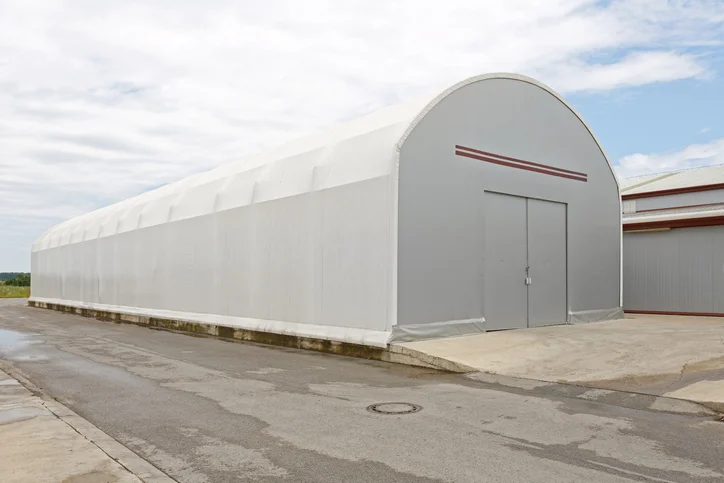
Incorporating sustainability into business operations is more than just a trend; it’s a necessity in today’s world. Companies are increasingly adopting innovative building solutions that align with sustainable goals, helping them stay competitive and responsible. A commercial fabric building, for example, offers an alternative to traditional construction methods, providing flexibility and reduced environmental impact. Such structures contribute significantly to the sustainability agenda by using eco-friendly materials and designs that lower energy consumption.
Innovative structures offer environmental benefits
Modern building materials and designs play a critical role in reducing a company’s carbon footprint. By utilizing sustainable resources, businesses can minimize waste and decrease reliance on non-renewable energy sources. This shift towards more environmentally conscious construction methods supports broader sustainability goals, ensuring a healthier planet for future generations.
Energy efficiency is another significant advantage of innovative structures. These buildings are often designed with features that enhance natural light and insulation, reducing the need for artificial lighting and heating or cooling systems. This results in lower energy costs and less environmental impact, making it easier for businesses to maintain sustainable operations. Adopting such measures not only benefits the environment but also enhances a company’s reputation as a leader in sustainability.
Real-world examples of successful integration
Several businesses have successfully integrated sustainable building solutions into their operations, demonstrating the benefits of these innovations. For instance, companies that have adopted green roofing systems have reported significant reductions in energy consumption and improved workplace environments. These improvements contribute to employee well-being and productivity while showcasing the company’s commitment to sustainability.
The outcomes of these integrations often include increased operational efficiency and cost savings, proving that sustainable practices can be financially advantageous as well. Companies embracing these changes not only benefit from reduced operating costs but also gain a competitive edge in the market by appealing to environmentally conscious consumers.
Emerging trends in sustainable infrastructure
The future of sustainable business operations is bright, with new trends continually emerging in sustainable infrastructure. Technologies like smart building systems are becoming more prevalent, offering businesses ways to monitor and optimize energy use effectively. These advancements ensure that businesses remain at the forefront of sustainability efforts.
As industries continue to prioritize sustainability, innovative building solutions will play an increasingly vital role in achieving environmental goals. Businesses must stay informed about these developments to adapt quickly and remain competitive while contributing positively to global sustainability efforts.