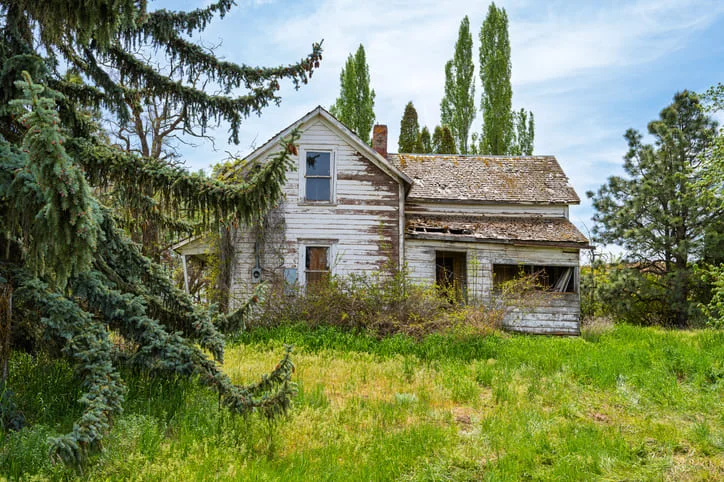
The art of flipping properties, specifically those that have been abandoned, can be a lucrative venture for the savvy investor. Understanding how to navigate this niche market requires insight into the acquisition process, renovation strategies, and legal considerations to turn a forgotten property into a highly sought-after piece of real estate. Whether you’re a seasoned real estate pro or a curious entrepreneur looking to enter the field, mastering the flip of abandoned properties can lead to significant profits. Keep reading for an in-depth exploration of how to successfully profit from these hidden gems.
Renovation Strategies for Maximizing Return on Investment
Flipping a property successfully means focusing on renovations that add maximum value for minimal cost. Start with essential repairs like roofing or HVAC upgrades, then move to aesthetic improvements that attract the most buyers, such as modern kitchens, bathrooms, and fresh paint. Strategic updates, such as installing hurricane impact doors in Fort Myers, FL, can also set a property apart and appeal to buyers looking for safety and durability.
Staying on schedule and within budget is vital to protecting profits. Work with dependable contractors, get multiple bids, and monitor progress closely to avoid costly overruns. Just as finding cash for junk cars in Roseville, MI helps turn unused assets into value, smart renovation planning ensures every dollar spent boosts your property’s return on investment.
Flipping Abandoned Properties: Turning Neglected Spaces into Profitable Investments
Abandoned properties offer lucrative opportunities for real estate investors due to their lower market prices, but come with significant challenges. These include deterioration, vandalism, and hidden liabilities like taxes or liens. Investors must conduct detailed inspections to assess structural conditions and budget for unexpected refurbishment costs. Success in flipping such properties depends on understanding current market trends, estimating post-renovation values, and setting realistic project timelines.
Effective research and networking with local authorities are essential in locating viable properties. Financing is another key aspect, requiring a clear strategy to cover acquisition and renovation expenses, whether through personal funds, loans, or partnerships, to ensure smooth project execution and profitability.
Navigating the Legal Complexities of Acquiring Abandoned Properties
Acquiring abandoned real estate involves complex legal considerations beyond a standard property purchase. Investors must conduct thorough due diligence to verify property titles and identify any existing claims, ensuring legitimate ownership and resale rights. Some properties may require quiet title actions to resolve ownership disputes, making the guidance of a real estate attorney essential.
Compliance with local building codes and permit regulations is also crucial, as many abandoned properties need major rehabilitation. Investors should also be aware of issues like trespassing or squatting and handle them through proper legal procedures, including lawful evictions, to prevent potential complications that could hinder the flipping process.
Assessing the Profit Potential of Abandoned Properties
Assessing the profit potential of an abandoned property begins with determining its after-repair value (ARV), which reflects the estimated market price after renovations. Investors compare the ARV to the total purchase and repair costs to gauge potential profit margins.
Researching comparable property sales in the area helps set a realistic resale price, while unique or historical features may enhance market appeal. A detailed cost-benefit analysis should include renovation expenses, taxes, utilities, insurance, and marketing to avoid financial miscalculations. Timing is also key, as aligning sales with favorable market conditions allows investors to maximize returns by strategically planning renovations and listings.
Marketing and Selling Your Flipped Property for Maximum Profit
Once renovations are finished, marketing the flipped property becomes the priority. A strong listing with engaging descriptions and high-quality photos draws buyer interest and supports a quicker sale. Strategic staging enhances the appeal by helping buyers imagine living in the space, which is especially valuable for previously abandoned homes.
Building connections with local real estate agents expands exposure and provides expert advice on competitive pricing. During negotiations, maintaining flexibility while protecting profit margins helps secure a fair deal. Employing creative sales approaches, such as seller financing, can attract more buyers and provide a distinct advantage in a competitive housing market.
Overall, flipping abandoned properties can be a profitable endeavor when approached with strategic planning, due diligence, and a solid understanding of the market. By balancing the complexity of the undertaking with effective renovation and marketing tactics, investors can unlock the value hidden within these neglected properties and achieve significant returns.
Disclaimer: This article contains sponsored marketing content. It is intended for promotional purposes and should not be considered as an endorsement or recommendation by our website. Readers are encouraged to conduct their own research and exercise their own judgment before making any decisions based on the information provided in this article.