In today’s competitive business environment, every major investment is expected to deliver measurable value. Construction projects are no exception. Companies are under increasing pressure to control costs, accelerate timelines, meet sustainability goals, and create spaces that support long-term business growth. As a result, leading organizations are shifting their focus toward strategic planning and digital visualization before construction even begins. By investing in better design during the early stages of a project, businesses can make more informed decisions, reduce costly mistakes, and ensure that every aspect of a development aligns with their operational and financial objectives.
Better Decisions Start Long Before Ground Is Broken
Successful construction projects rarely begin with concrete, steel, or machinery. Instead, they begin with informed decisions supported by careful planning and clear communication. Whether developing a corporate headquarters, a retail destination, or a hospitality venue, businesses that prioritize design in the earliest stages consistently reduce uncertainty, improve collaboration, and achieve stronger financial outcomes.
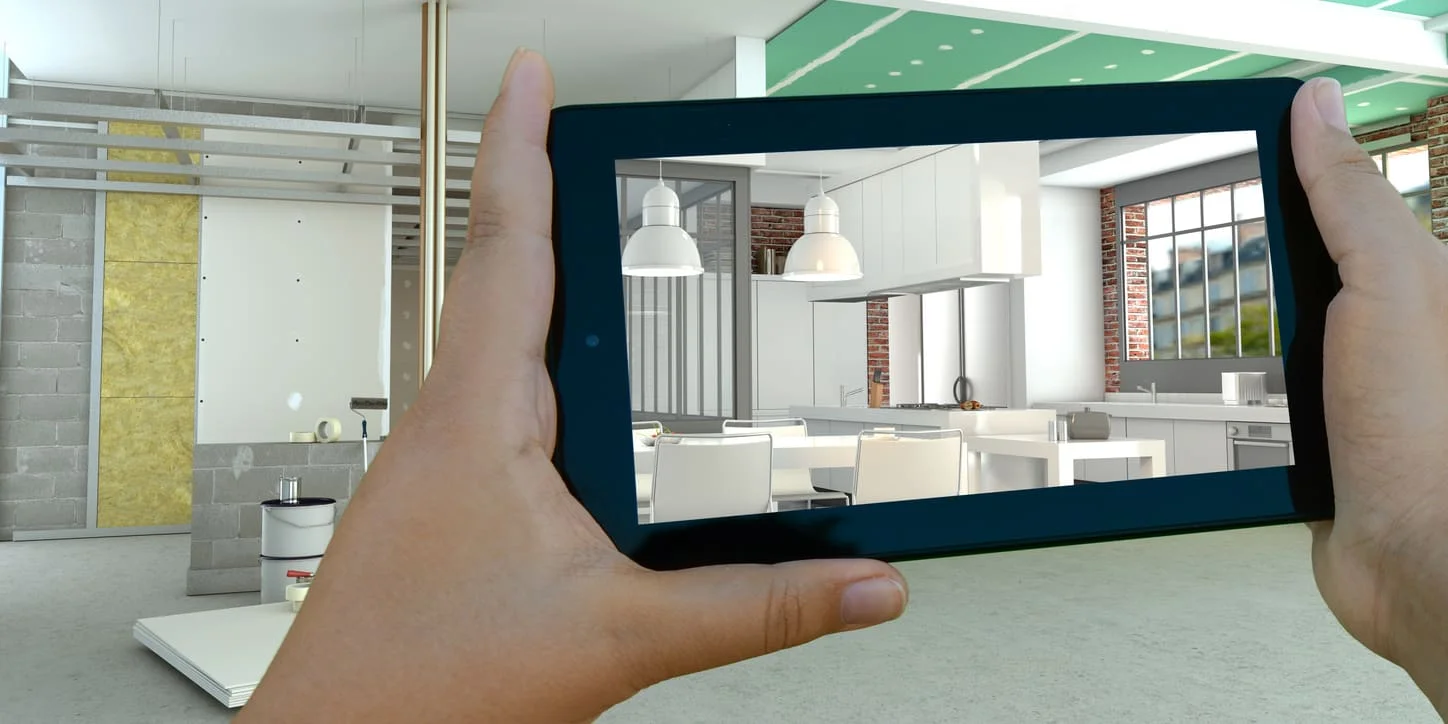
The planning phase influences nearly every aspect of a project’s lifecycle, from budgeting and scheduling to stakeholder confidence and long-term operational performance. Modern organizations increasingly recognize that investing in visualization and design is not an additional expense but a strategic business decision that minimizes risk before construction begins. As project teams evaluate concepts, compare alternatives, and refine layouts, many organizations rely on 3d interior design rendering services to transform technical drawings into realistic visual representations that help executives, investors, architects, and clients make informed decisions with greater confidence.
Unlike traditional blueprints, immersive visualizations allow everyone involved in a project to understand how a completed space will function and appear. This shared understanding reduces misunderstandings that often lead to expensive revisions during construction.
Visualization Improves Communication Across Teams
Large construction projects involve numerous stakeholders, including investors, architects, engineers, contractors, consultants, regulators, and future occupants. Each group brings unique expertise, but they also interpret technical information differently. Effective communication therefore becomes one of the most valuable assets throughout the planning process.
When teams collaborate using detailed visual content, conversations become more productive because everyone is discussing the same realistic representation rather than imagining different outcomes from technical documents alone. During design reviews, project leaders often compare multiple concepts, consult a render reference to evaluate materials, lighting, furniture placement, and spatial relationships, and identify opportunities for improvement before construction activities begin.
This collaborative approach reduces ambiguity while encouraging more meaningful feedback. Design adjustments that might require significant resources after construction starts can often be completed digitally in a fraction of the time and at a much lower cost.
Reducing Financial Risk Through Early Planning
Every construction project carries financial risk. Unexpected changes, inaccurate assumptions, and communication failures can all increase budgets and extend timelines. Businesses that invest in comprehensive design evaluation before construction are better positioned to avoid these common challenges.
Detailed visualization enables decision-makers to identify inconsistencies, optimize layouts, and confirm design intent before materials are ordered or contractors begin work. Even relatively small modifications made during the planning phase can prevent substantial expenses later in the project.
From a business perspective, this proactive approach also improves budget forecasting. Investors and financial stakeholders gain greater confidence when they can clearly understand how a finished project will look and function. Better transparency supports more accurate financial planning while reducing uncertainty during project approvals.
Supporting Better Business Decisions
Construction projects are ultimately business investments. Whether the goal is expanding office capacity, attracting customers, improving employee experience, or increasing property value, every design decision should support broader organizational objectives.
Visualization helps executives evaluate how proposed spaces align with operational needs. Office layouts can be assessed for collaboration and productivity. Hospitality environments can be reviewed from the guest’s perspective. Retail spaces can be optimized for customer flow and product visibility. These insights allow organizations to make evidence-based decisions rather than relying solely on technical specifications or imagination.
This capability becomes especially valuable for multinational organizations where stakeholders may be located in different countries. Digital presentations provide a common visual language that simplifies communication across cultures, disciplines, and time zones.
Enhancing Stakeholder Confidence
Obtaining approval for major investments often requires convincing multiple decision-makers that a project will deliver measurable value. Boards, investors, lenders, and development partners typically expect clear evidence before committing substantial resources.
Realistic visual presentations strengthen business cases by making future spaces easier to understand. Instead of asking stakeholders to interpret architectural drawings, project teams can demonstrate how design concepts support strategic goals, improve user experience, and enhance long-term returns.
This increased clarity often accelerates decision-making because stakeholders spend less time resolving misunderstandings and more time evaluating business outcomes.
Improving Sustainability From the Start
Sustainability has become an important consideration for businesses across industries. Companies are increasingly expected to reduce environmental impact while creating efficient, adaptable, and healthy spaces.
Early design evaluation contributes directly to these objectives. Teams can analyze daylight penetration, optimize space utilization, assess material selections, and explore alternative layouts before construction begins. Better planning reduces waste generated by late-stage design changes while supporting more efficient resource allocation.
Furthermore, flexible spaces that are carefully planned from the outset often remain functional for longer periods, reducing the need for costly renovations in the future.
Creating Long Term Competitive Advantage
Organizations that consistently deliver successful development projects understand that competitive advantage is built long before construction crews arrive on site. Strong planning enables better budgeting, more effective collaboration, improved stakeholder engagement, and higher-quality outcomes.
As digital technologies continue to evolve, visualization is becoming an essential component of strategic project management rather than a specialized design service. Companies that embrace these capabilities position themselves to respond more quickly to market demands while minimizing uncertainty throughout the development process.
Investing in better design before construction is ultimately an investment in smarter decision-making. By improving communication, reducing risk, strengthening stakeholder confidence, and supporting sustainable development, businesses create projects that are not only visually compelling but also financially sound and operationally successful. In an increasingly competitive business environment, organizations that prioritize thoughtful planning are more likely to achieve lasting value from every construction investment.