Emergency restoration runs on tight timelines and unpredictable demand. A major storm rolls through on Tuesday, and by Wednesday morning you have seventeen calls for water extraction. You dispatch crews expecting to handle five jobs simultaneously, only to discover you’re short four industrial dehumidifiers and six air movers. Now you’re scrambling to rent equipment at premium rates, delaying response times while competitors who prepared better are already on site. The missed revenue opportunity hurts, but the reputation damage from slow response hurts more in an industry where referrals drive most business.
Traditional inventory management in restoration relies on estimating equipment needs based on recent job history and gut feel about seasonal patterns. That approach worked reasonably well when business was smaller and weather events were more predictable. Today’s reality involves more frequent severe weather, expanding service territories, and clients who expect immediate response. You can’t afford to maintain enough equipment for worst-case scenarios—the capital investment and storage costs would crush your margins. But running lean means you’re constantly caught short during demand spikes, exactly when profit potential peaks.
How Usage Data Reveals Hidden Patterns
Data-driven inventory management starts with tracking actual equipment deployment across all jobs. Most restoration companies know what equipment they own and roughly how often it gets used. Far fewer can tell you precisely which equipment types correlate with specific damage scenarios, how long units typically stay deployed, or which pieces have the highest utilization rates. This granular information becomes the foundation for smarter purchasing and allocation decisions. When you know that Category 3 water losses in commercial buildings require an average of 22 air movers and 8 dehumidifiers for 4.2 days, you can forecast needs accurately rather than guessing.
The patterns that emerge from proper data analysis often surprise restoration contractors. You might discover that 70% of your dehumidifier inventory sits unused except during three months of the year, suggesting rental partnerships might be more cost-effective than ownership. Or you learn that your investment in thermal imaging cameras isn’t justified because crews only use them on 12% of jobs. Perhaps certain equipment consistently returns damaged from specific job types—revealing either training gaps or the need for more durable models for those applications. These insights only surface when you’re systematically capturing and analyzing usage information rather than relying on anecdotal impressions.
Geographic and seasonal factors significantly influence equipment needs but rarely get incorporated into inventory planning. Water damage calls spike during spring thaw in northern regions. Fire restoration demand increases during dry summer months in the West. Flood response equipment requirements vary dramatically depending on the type of construction common in your service area—wood-frame residential structures present different restoration challenges than concrete commercial buildings. When your inventory system accounts for these variables, you can position equipment strategically and adjust stock levels seasonally rather than maintaining uniform inventory year-round.
Predictive Allocation Based on Weather Forecasts
The restoration industry has always been reactive to weather events, but predictive data systems are enabling proactive positioning. By integrating weather forecasting data with historical job patterns, you can anticipate demand spikes days before they materialize. When the forecast shows a major storm system arriving Thursday with significant rainfall and wind, the data might predict you’ll receive 40-60% more calls than normal over the following three days. That projection lets you recall equipment from completed jobs early, schedule preventive maintenance to ensure availability, and secure rental units before demand drives prices up.
This predictive approach extends beyond major weather events to routine seasonal patterns. Analysis might reveal that your market experiences a predictable uptick in water damage calls every March due to aging pipe failures as heating systems cycle down. Armed with that knowledge, you stock additional extraction equipment in February and ensure your technician roster is fully staffed before demand hits. The competitive advantage comes from being ready when competitors are still reacting, allowing you to accept more jobs and command better pricing because clients value immediate availability.
Fleet management becomes substantially more efficient with data-backed allocation. Instead of storing all equipment at a central warehouse and dispatching it as needed, you can strategically pre-position assets based on predicted demand patterns. High-capacity dehumidifiers might stay with crews working large commercial jobs while residential teams carry more air movers and smaller extraction units. During peak seasons, equipment gets distributed to staging areas across your service territory, reducing response times. Off-peak, consolidation at the main facility reduces security concerns and maintenance complexity.
Equipment Lifecycle and Replacement Planning
Knowing when to retire and replace equipment represents a substantial financial decision that most restoration companies make poorly. The typical approach involves using equipment until it fails, then emergency-purchasing replacements at retail prices without competitive bidding. Data tracking changes this entirely. When you monitor repair frequency, downtime, and performance metrics for each piece of equipment, you can identify optimal replacement timing—before catastrophic failure but after extracting maximum value.
The analysis often reveals that certain equipment models dramatically outperform others in reliability or efficiency. Your fleet might include three different dehumidifier brands, but usage data shows one brand requires service twice as often and consumes 15% more power while achieving similar drying results. That information guides future purchasing decisions, gradually standardizing your fleet around the most cost-effective models. Standardization also simplifies training, reduces parts inventory needs, and increases equipment interchangeability between crews.
Maintenance scheduling benefits equally from data-driven approaches. Instead of calendar-based service intervals that might occur too frequently or not often enough, you can schedule maintenance based on actual runtime hours and deployment cycles. Equipment used on contaminated water jobs needs more frequent inspection than units handling clean water extraction. High-intensity usage during storm response requires post-event servicing regardless of time since last maintenance. Tracking this information ensures equipment stays operational when you need it without over-maintaining and wasting labor on unnecessary service.
Building the System Without Major Investment
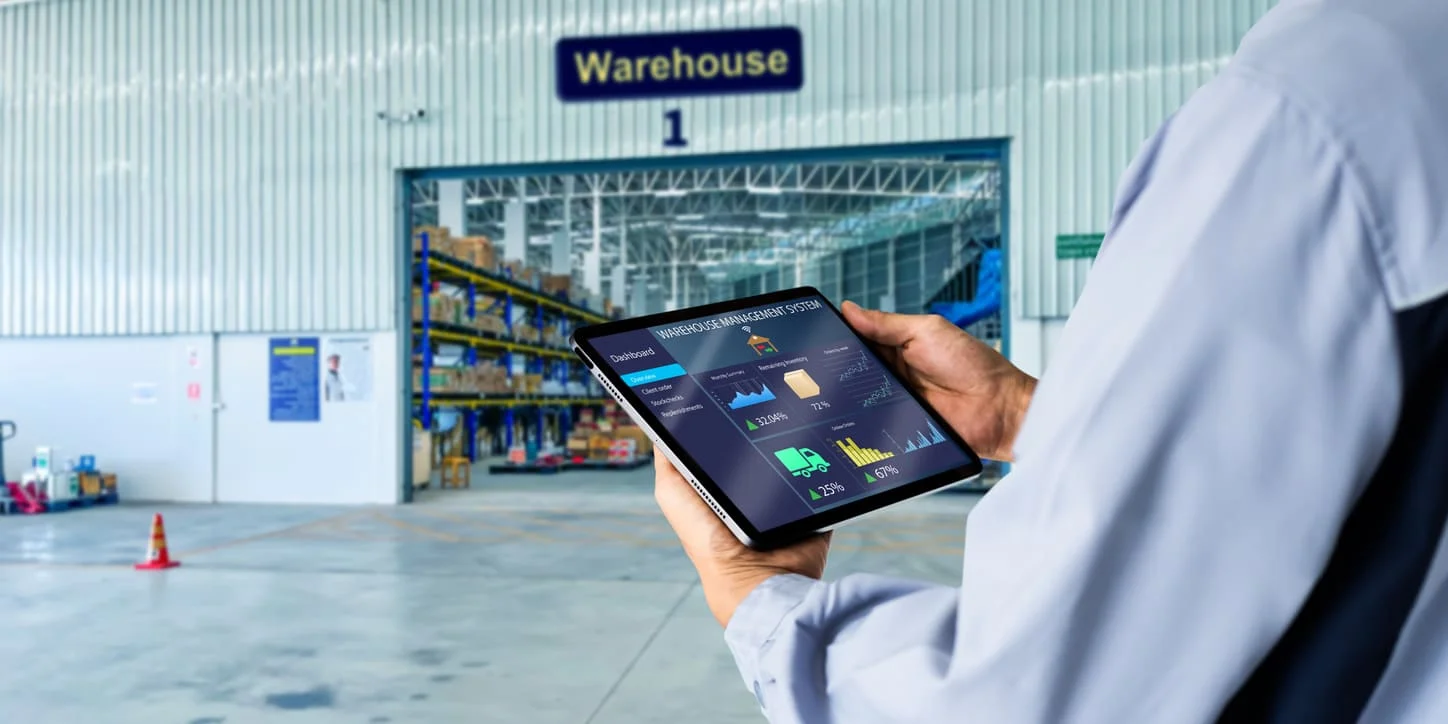
Implementing data-driven inventory management doesn’t require enterprise software or dedicated IT resources. Most restoration companies can start with spreadsheet tracking of basic metrics—equipment ID, deployment date, return date, job type, and any damage or issues noted. This simple logging reveals patterns within a few months. As the value becomes apparent, you can graduate to specialized inventory platforms designed for service businesses that integrate with scheduling and dispatch systems.
The key is consistency in data capture. Every piece of equipment leaving the warehouse gets logged, and every return gets documented. This requires modest training for dispatchers and warehouse staff, but the discipline pays dividends quickly. Within six months of consistent tracking, you’ll have enough data to make more informed purchasing decisions and identify optimization opportunities that likely pay for the system implementation several times over.