By Vadim Fedotov
The wellness industry is thriving online, but misinformation is spreading just as fast. Vadim Fedotov explores how viral health advice on social media blurs the line between science and storytelling. He explains why consumers must develop critical thinking skills to separate credible, evidence-based wellness information from misleading or unverified claims.
Introduction
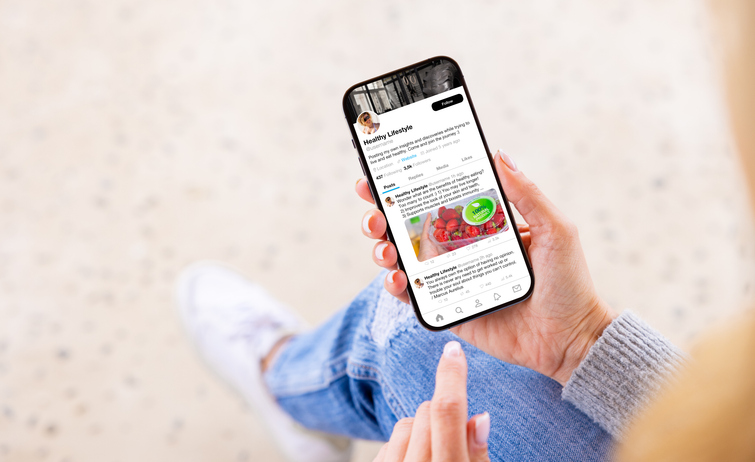
We live in an age where a TikTok video or an Instagram reel can reach millions in seconds, which has drastically changed the way we consume media. This impacts important topics, such as health and wellness advice. Social media is overflowing with advice on how to live a better, longer, and stronger life: from smoothie recipes that promise to “reset your gut” to morning rituals to “biohack” your brain. A major worry, however, is hidden beneath the filters and popular hashtags: how can we tell which advice is reliable and which is merely successful branding?
A recent Wellness Pulse study revealed that nearly 40% of health-related posts on social media were deemed of uncertain trustworthiness. This figure should raise alarm bells, especially considering the increasing number of people turning to social platforms as their primary source of health information. As wellness content continues to go viral, our critical thinking skills and the ability to discern reliable advice from dubious claims have never been more important.
The Rise of the Wellness Influencer
The fast growth of the health and wellness industry online has given rise to a new type of online content creators – wellness influencers. People share their personal stories of transformation and life-changing experiences, describing how a specific diet, supplement, or exercise routine changed their lives. While many are genuinely passionate and well-meaning, they often lack formal training in health science, which creates a dangerous gap between personal anecdote and scientific evidence.
Influencer marketing played a pivotal role in promoting coconut oil as a miracle superfood in the 2010s. It was claimed to boost metabolism, prevent disease, and even act as a natural sunscreen. Yet, research eventually revealed that coconut oil is high in saturated fat and can increase the risk of heart disease. The hype did fade eventually, but millions had been influenced by pseudoscientific claims.
Why Misinformation Spreads So Easily
Misinformation about health and wellness spreads fast because it’s emotionally engaging and easy to digest. But more importantly, it promises quick results, undiscovered secrets, and natural cures. This play on urgency and hope can bypass our critical thinking skills, especially when someone’s content is framed as their personal journey.
The consequences can be very serious. Poor health decisions made on the basis of unverified information can put your life at risk.
How to Tell What’s Trustworthy
In order to avoid falling prey to misinformation, it’s crucial to approach health content online critically. There are a few good ways to separate credible information from questionable information:
-
Checking for source transparency
Reliable posts often link to scientific studies or cite qualified institutions. It is a good idea to be wary of vague claims, such as “research shows” or “experts say” without references to specific research.
-
Checking credentials
Qualified health professionals such as MDs, PhDs, or registered dietitians are more likely to provide accurate information. Influencers with unverified titles or certifications may lack the expertise to give health advice.
-
Using tools like DISCERN
Developed by the University of Oxford, the DISCERN questionnaire helps consumers assess the quality of health content. It prompts users to evaluate factors like bias, balance, and clarity in health-related material.
-
Spotting “absolutist” claims
Statements like “this always works” or “you’ll never get sick again” are red flags. Science and health can never be generalised, therefore, credible advice acknowledges risks, benefits, and all potential scenarios.
Toward a More Evidence-Based Future
To counter the rise of online misinformation, more companies and experts are working to produce evidence-based wellness content. The Huberman Lab, led by neuroscientist Dr. Andrew Huberman, produces podcasts and videos where complex scientific research on health, sleep, stress, and performance is translated into accessible, actionable guidance for the public.
These efforts reflect a growing emphasis on evidence-based information. Health companies and creators are increasingly prioritizing education and scientific rigor alongside their products. In the UAE, I’ve recently partnered with fitness entrepreneur Mike Thurston to launch a Health & Performance Media Hub, Hack You Media, that delivers evidence-based content. Our goal is to offer actionable, scientifically supported insights that reach wide audiences.
Wellness Needs a Fact Check
In 2025, anyone with a camera and a story can influence public health behaviour. There are advantages and disadvantages to this democratisation of information, but the stakes are too great to overlook.
As content consumers, we need to develop a mindset of healthy scepticism: ask the proper questions before following online advice—whether it relates to diet trends, fitness routines, mental health hacks, or products such as sexual aid pills for men that are often discussed casually on social media. Who is the source of this advice? What proof is there for it? What dangers exist? Being healthy involves more than simply what you put into your body; it also involves the knowledge you choose to believe.
 Vadim Fedotov