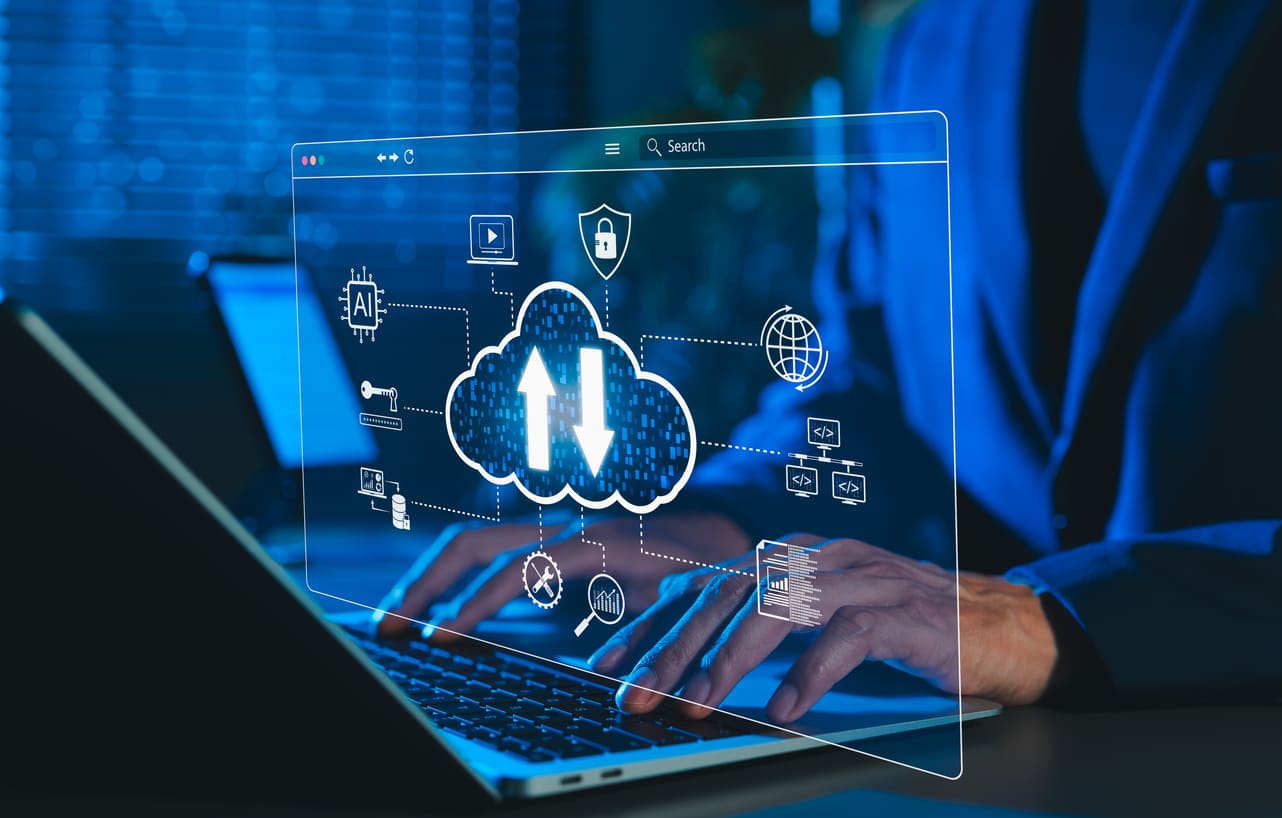
In 2026, cloud management is no longer a background task—it is a core business strategy. Organizations are increasingly adopting SeqOps (Security Operations) to bridge the gap between high-speed cloud operations and enterprise-grade security.
1. Cost Predictability & FinOps 2.0 Integration
In 2026, the “pay-as-you-go” cloud model can lead to unpredictable expenses without oversight. Managed services utilize FinOps (Financial Operations) to right-size instances and eliminate idle resources, typically reducing total cloud expenditure by 25% to 45%.
2. Proactive Defense with SeqOps
Traditional security is often reactive. By implementing a SeqOps framework, security is embedded into the operational heartbeat of the company. This ensures that every configuration change is automatically scanned and secured before it affects the production environment.
3. Access to Specialized Technical Talent
The global shortage of certified cloud engineers is a major hurdle. Partnering with cyber security companies in Bangalore provides instant access to a mature ecosystem of Tier-1 experts, bypassing the high costs and long lead times of in-house recruitment.
4. AI-Driven Predictive Maintenance
Modern managed service providers (MSPs) use AI to analyze system telemetry. Instead of reacting to a server failure, these models predict potential issues—like memory leaks or hardware degradation—allowing for proactive fixes during scheduled maintenance windows.
5. Automated Compliance Guardrails
With regulations like GDPR, SOC 2, and HIPAA evolving, manual compliance is nearly impossible. Managed services deploy “automated guardrails” that prevent non-compliant configurations from ever being deployed, ensuring a continuous state of audit-readiness.
6. Accelerated Time-to-Market
By offloading “heavy lifting” tasks—such as patching, backups, and network configuration—to a managed partner, internal development teams can focus exclusively on feature delivery. This shift often results in a 40% to 60% faster deployment cycle for new products.
7. Guaranteed Business Continuity (DRaaS)
Disaster Recovery as a Service (DRaaS) is now a standard component of managed IT. Providers ensure that data is replicated across multiple geographical zones with automated failover, reducing the average recovery time from hours to minutes.
8. Elimination of Alert Fatigue
Security teams are often buried under thousands of low-priority alerts. A SeqOps approach uses intelligent orchestration to filter noise, ensuring that only high-risk incidents reach human analysts while low-level threats are remediated by automated playbooks.
9. Hybrid and Multi-Cloud Orchestration
Most enterprises in 2026 operate across multiple platforms (AWS, Azure, GCP). Managed services provide a “single pane of glass” view, synchronizing security policies and performance metrics across fragmented environments.
10. Future-Proofing with Continuous Optimization
The cloud is not a “set it and forget it” environment. Managed partners provide quarterly architectural reviews, ensuring that your infrastructure adopts the latest, most efficient technologies (like serverless or graviton-based instances) as they become available.
Disclaimer: This article contains sponsored marketing content. It is intended for promotional purposes and should not be considered as an endorsement or recommendation by our website. Readers are encouraged to conduct their own research and exercise their own judgment before making any decisions based on the information provided in this article.