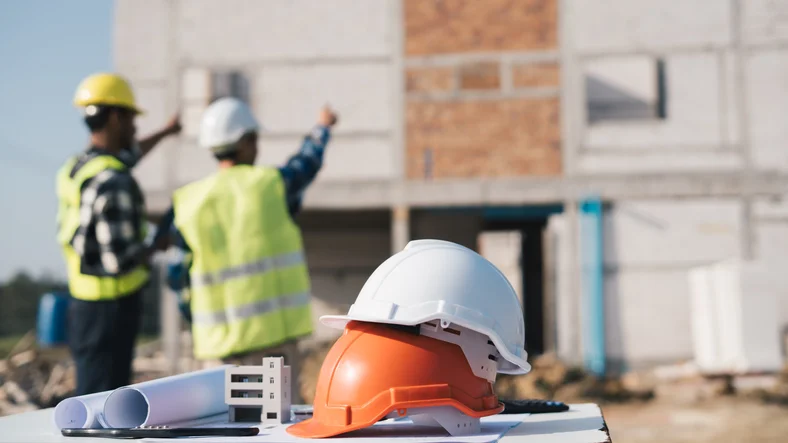
Real estate projects can affect a lot more than the land they are built on. They can affect nearby homes, roads, water flow, trees, waste, noise, and even how people feel about the project. That’s why many developers are now planning sites more carefully before work starts. They want to waste less material, protect useful land, manage rainwater better, and avoid problems that can cost more later.
Sustainable site management is not about making a project look “green” on paper. It is about making better choices during planning and construction so the project works well for the builder, the buyer, and the surrounding area.
In this article, we’ll look at how these choices are changing modern real estate development.
Developers Are Reducing Construction Waste From the Start
Construction sites can create a lot of waste. Broken bricks, extra concrete, wood pieces, packaging, drywall, metal, and unused materials can pile up fast. When this waste is not planned for, it creates mess, takes up space, and costs more money to remove later.
Many developers are now thinking about waste before the work begins. They look at how much material will be needed, where extra material will go, and what can be reused or recycled. This helps the site stay cleaner and helps workers avoid throwing away useful materials.
Jason James, President and Founder at Tree Wise Men LLC, says, “A cleaner job site usually starts with a simple plan. If crews know where materials should go, what can be reused, and what needs to be hauled away, the work feels less messy and more controlled. Good cleanup is not something you fix at the end. It has to be part of the process from the start.”
Better planning can also reduce over-ordering. If a team orders far more material than needed, the extra often ends up sitting on-site or getting wasted. With careful tracking, developers can buy closer to the actual amount needed and avoid unnecessary spending.
Land Is Being Developed With More Care
A real estate project does not happen in an empty bubble. It affects the land around it. Trees may be removed, soil may be moved, water paths may change, and nearby areas may feel the impact. Because of this, many developers are now taking more care before they begin building.
Instead of clearing everything first and thinking later, developers are looking at what should be protected. This can include mature trees, natural slopes, drainage areas, green spaces, and nearby water sources. Keeping these features in mind can help the project fit better into the land instead of fighting against it.
Justin Hagstrom, Co-Founder of Aspenn Environmental Services, says, “The land usually tells you what needs attention before construction starts. If drainage, soil health, trees, and open space are planned properly, the project is easier to manage later. Good site planning is not just about where buildings go. It is also about protecting the parts of the property that make it work.”
This planning can also prevent problems later. If too much land is disturbed, the site may face erosion, water pooling, or soil damage. These issues can slow down construction and cost more to fix.
Water Management Is Becoming a Bigger Part of Planning
Water can create serious problems on a development site if it is not handled properly. Heavy rain can cause flooding, soil erosion, muddy work areas, and damage to nearby roads or properties. Once construction starts, these problems can become expensive and difficult to control.
That’s why many developers are paying more attention to water management during the planning stage. They look at where rainwater will go, how the land slopes, where drainage is needed, and how water can be moved safely away from buildings and work areas.
In an interview, Jonathan Matha, CEO of Modern Chandelier, said, “A finished space only works well when the hidden planning is done properly. With lighting, people notice the chandelier, but they do not always see the wiring, ceiling support, or placement decisions behind it. Water management is similar. The drainage may not be the first thing people notice, but if it is poorly planned, the whole property can suffer.”
Good water planning helps protect the site during construction and after the project is finished. It can reduce standing water, protect foundations, and prevent damage to landscaping and paved areas.
Storm drains, retention areas, permeable surfaces, and proper grading can all help control water in a better way. These choices may not always be the most visible part of a project, but they make a big difference in how well the development works over time.
Energy-Efficient Construction Practices Are Gaining Attention
Construction projects use a lot of energy. Heavy equipment, generators, lighting, machinery, and transportation all require fuel or electricity throughout the building process. On large developments, these costs can become significant.
Many developers are now looking for ways to use energy more efficiently during construction. The goal is simple: reduce waste and keep operating costs under control.
For example, equipment that sits running for long periods without being used wastes fuel. Better scheduling and site coordination can help reduce that problem. Planning deliveries more carefully can also cut down on unnecessary vehicle movement around the site.
Temporary lighting is another area where developers are making changes. More efficient lighting systems can reduce energy use while still providing a safe working environment for crews.
These efforts may seem small on their own, but they can make a noticeable difference over the course of a large project. Lower fuel use often means lower operating costs and fewer resources being wasted.
Developers also understand that buyers and investors are paying closer attention to sustainability. A project that follows more efficient construction practices often creates a better impression than one that ignores resource usage altogether.
Sustainable Site Management Helps Projects Meet Requirements More Easily
Real estate projects must follow a wide range of rules before construction can move forward. These rules often cover drainage, erosion control, waste handling, environmental protection, and other site-related issues.
Many developers have learned that waiting until problems appear can create delays. If a project runs into compliance issues during construction, the result can be extra paperwork, more inspections, slower timelines, and unexpected costs.
Desmond Dorsey, Chief Marketing Officer at Bayside Home Improvement, mentions, “Home improvement projects run smoother when the important details are handled early. Permits, site conditions, cleanup plans, and local requirements may not be the exciting part of a project, but they can quickly slow things down if they are ignored.”
This is one reason sustainable site management has become more important. Developers are planning for these requirements much earlier than they did in the past. They review possible issues before work begins and make changes while they are still easier to make.
Good planning helps reduce surprises later. It also helps project teams stay organized because everyone understands the site requirements from the beginning.
Ashley Durmo, CEO of Chalet, says, “A property project feels much easier to manage when the small risks are handled before they become big problems. Clear planning around access, maintenance, waste, and site rules helps protect the timeline and keeps the whole process less stressful.”
Buyers and Investors Are Paying More Attention to Sustainability
People buying homes, commercial spaces, or investment properties often look beyond the building itself. They want to know how the property was developed and whether the project was planned responsibly.
Many buyers appreciate developments that make good use of land, include green spaces, manage water properly, and reduce unnecessary waste during construction. These details may not always be the first thing people notice, but they often influence how a project is viewed.
Dan Close, Founder and CEO of BuyingHomes, says, “Buyers notice when a property feels well planned. It is not only about the walls, rooms, or finishes. The land, outdoor space, drainage, access, and long-term upkeep all affect how confident someone feels about the property.”
Investors are paying attention as well. They understand that sustainability can affect long-term performance. Developments that are planned carefully often face fewer environmental issues, fewer maintenance concerns, and stronger community support over time.
This shift has encouraged developers to think differently about site management. Decisions that once happened mostly behind the scenes are now becoming part of the overall value of a project.
Buyers today have access to more information than ever before. They can research projects, compare developments, and learn more about how properties are built. Because of this, developers know that site management practices can influence public perception.
Sustainable Practices Can Support Long-Term Property Value
Real estate development is usually a long-term investment. Developers, property owners, and investors want projects that continue performing well years after construction is complete.
Sustainable site management can help support that goal in several ways.
When drainage systems are planned properly, there is less risk of water-related damage. When green spaces are preserved, the property often remains more attractive over time. When waste is managed efficiently and construction practices are carefully planned, the project may face fewer maintenance issues in the future.
Tom Rockwell, CEO of Concrete Tools Direct, says, “The choices made during construction often show up years later. If surfaces are installed properly, drainage is handled well, and the site is prepared the right way from the beginning, there is usually less repair work and fewer problems down the road.”
These benefits can contribute to the overall appeal of a property. Buyers and tenants often appreciate developments that feel well maintained and thoughtfully planned.
Community Impact Is Becoming Part of Development Planning
Every development becomes part of a larger community. Construction activity can affect nearby residents, businesses, roads, and public spaces. Because of this, developers are paying more attention to how projects impact the surrounding area.
Good site management can help reduce some of the common concerns that arise during construction. Better waste control can keep surrounding areas cleaner. Proper drainage planning can reduce water-related problems. Thoughtful traffic management can help limit disruption caused by construction vehicles.
Waste management is a good example. Using services such as Fort Lauderdale dumpster rental can help construction teams keep debris contained instead of allowing materials to accumulate around the site. A cleaner project area often creates fewer disruptions for neighboring properties and public spaces.
People are often more supportive of projects when they feel developers are making an effort to reduce unnecessary impacts on the neighborhood.
This can be important for both current and future projects. Developers who build positive relationships with local communities often find it easier to maintain trust and support over time.
Final Thoughts
Sustainable site management is helping developers make smarter decisions before, during, and after construction. Small choices made at the start of a project can affect waste, water management, maintenance costs, and the overall success of the development for years to come.
Developers are also paying closer attention to the land, nearby communities, and the long-term performance of the properties they build. This approach helps create projects that are easier to manage and more appealing to buyers and investors.
Disclaimer: This article contains sponsored marketing content. It is intended for promotional purposes and should not be considered as an endorsement or recommendation by our website. Readers are encouraged to conduct their own research and exercise their own judgment before making any decisions based on the information provided in this article.