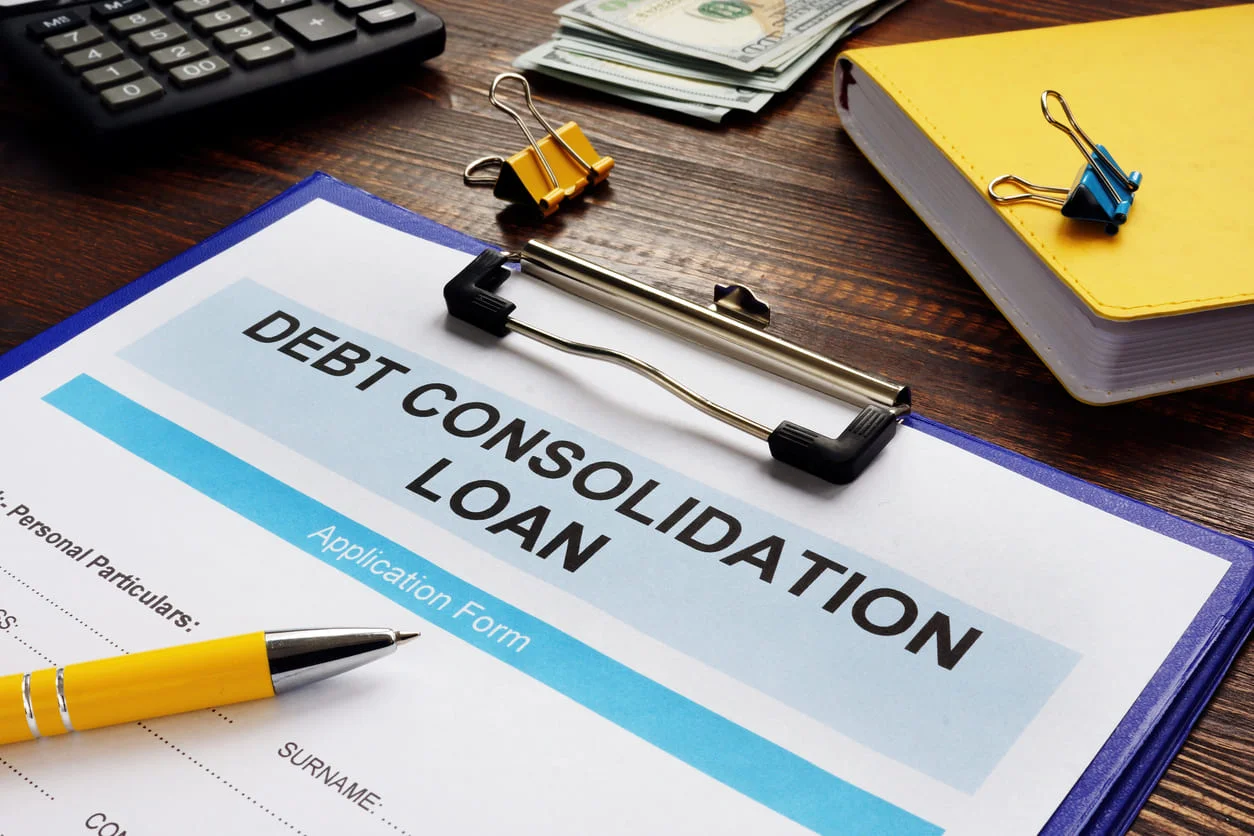
Juggling multiple debts can feel like an impossible balancing act. Between tracking different due dates, managing varying interest rates, and dealing with mounting stress, your financial health can quickly deteriorate. Many consumers initially turn to credit cards, personal lines of credit, or even short term lenders to cover unexpected expenses, only to find themselves trapped in a cycle of overwhelming monthly payments. Fortunately, there is a potential lifeline: debt consolidation. But is it truly the right choice for your unique financial situation?
When financial pressure builds, it is incredibly tempting to look for an immediate escape hatch. You might find yourself searching for a rapid fix or considering a 24 hours loan to temporarily cover an upcoming bill or stop a collection call. However, rather than adding yet another quick loan to the pile, debt consolidation offers a much more strategic, long-term approach. It involves taking out a single, larger loan to pay off all your smaller, high-interest debts. This leaves you with just one monthly payment to manage, ideally at a significantly lower interest rate than what you were paying before.
The Mechanics of Consolidating Your Debt
The process of debt consolidation is relatively straightforward, designed to streamline your financial obligations. Instead of making individual payments to five different creditors, you make one single payment to a new lender. Here is a step-by-step breakdown of how the typical process works:
- Assess Your Total Debt: Calculate exactly how much you owe across all your unsecured debts, including credit cards, medical bills, and personal lines of credit.
- Review Your Credit Score: Your credit history will largely determine the interest rate and loan amount you qualify for.
- Apply for a Consolidation Loan: Secure a new personal loan for the total amount of your existing debts.
- Pay Off Old Balances: Use the new loan funds to completely clear your old, high-interest accounts.
- Manage One Payment: Focus entirely on paying back the new, single loan on a fixed monthly schedule.
The Major Benefits of Consolidation
Taking control of your finances through consolidation offers several clear, tangible advantages that can relieve both mental and financial stress:
- Simplified Finances: One monthly payment is much easier to track and budget for than several, significantly reducing the chance of missed payments and expensive late fees.
- Lower Interest Rates: If your credit is in good standing, a consolidation loan often comes with a lower annual percentage rate (APR) than standard credit cards, which can save you a substantial amount of money over time.
- Predictable Timeline: Unlike revolving credit card debt which can drag on indefinitely if you only make minimum payments, personal loans have a fixed payoff date, giving you a clear end goal and timeline for becoming completely debt-free.
Potential Drawbacks to Consider
While consolidating sounds like a perfect solution, it is not without its risks. It requires discipline, lifestyle changes, and a clear understanding of your new loan terms.
| Potential Drawback | Explanation |
| Upfront Costs | Some lenders charge origination fees, balance transfer fees, or closing costs that can eat into your overall savings. Always read the fine print. |
| A False Sense of Security | Clearing your credit card balances might tempt you to start spending on those cards again, which can result in doubling your total debt. |
| Longer Payoff Periods | To lower your monthly payment, the loan term might be extended. This means you could end up paying more total interest over the life of the loan. |
Is It the Right Move for You?
A debt consolidation loan is a smart move if you are genuinely committed to changing the spending habits that led to the debt in the first place. It works best for individuals who have a steady, reliable income, a fair to excellent credit score, and a total debt amount that they can realistically pay off within two to five years. If your credit score has dropped significantly, you may not qualify for an interest rate that is lower than what you are currently paying, which defeats the primary purpose of consolidating.
Ultimately, managing multiple debts requires a proactive, honest strategy. Consolidation is not a magic eraser that makes debt disappear overnight; rather, it is a powerful financial tool that reorganizes your liabilities into a more manageable, affordable structure. By doing the math, comparing your options carefully, and committing to a solid monthly budget, you can use a debt consolidation loan as a firm stepping stone toward long-lasting financial freedom.
Disclaimer: This article contains sponsored marketing content. It is intended for promotional purposes and should not be considered as an endorsement or recommendation by our website. Readers are encouraged to conduct their own research and exercise their own judgment before making any decisions based on the information provided in this article.