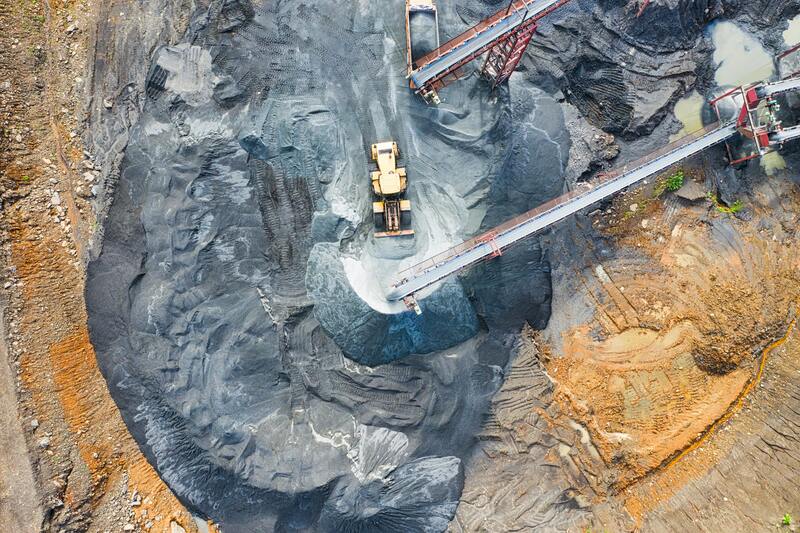
Resource nationalism has been on the rise as governments seek to secure greater value from their natural resources.
Many countries are rethinking how foreign companies access minerals, energy reserves, and other strategic assets.
These shifts often happen fast, which is why leaders who operate globally keep a close watch on changes in political mood. Here’s a closer look at what it takes to mitigate t he associated risks.
Why Resource Nationalism Keeps Rising
In reporting from the Financial Times, analysts noted how mining disputes can escalate into billion dollar claims when permits are revoked or renegotiated. That kind of instability shows how quickly resource nationalism can turn from a policy trend into a direct business threat. For leaders managing complex supply chains, this is no longer a niche issue. It is a central part of global risk management.
One reason for the rise is that governments want a larger share of profits from industries seen as national treasures. Another reason is that geopolitical competition is changing what countries consider critical. As demand for minerals used in clean energy and tech expands, leaders must assume regulations will tighten, taxes may rise, and foreign ownership limits may appear with little warning.
How Leaders Protect Their Operations
Leaders that navigate resource nationalism well tend to view it as a long term pattern, not a one off challenge. They know that waiting until problems appear puts their operations at a disadvantage. Instead, they try to anticipate changes before they land.
Here are a few core strategies successful companies use:
- Build long term local partnerships that balance national interests with corporate goals
- Diversify sourcing across multiple countries instead of relying on one jurisdiction
- Create early warning systems that monitor regulatory, political, and social signals
According to Reuters, India has already moved to strengthen its critical mineral access through long term international agreements. Leaders in the private sector can adopt similar thinking by locking in supply contracts that include flexible terms, contingencies for political changes, and alternative sourcing options.
Another emerging reality is that governments are asserting greater influence over strategic industries. One example is recent reporting that Angola bids for a majority share of De Beers in a shake-up of the previous strategy. Moves like this show how nations want not just royalties or taxes, but full participation in the value chain. For business leaders, this reinforces why tracking political trends is as important as tracking market trends.
A strong hedge also involves understanding the social fabric around resource sites. Local communities, regional leaders, and national agencies all influence policy. When companies build relationships across these levels, they gain visibility into potential changes long before laws are passed.
Building Trust With Host Nations
Prioritize Transparent Negotiations
Transparency is a powerful tool in environments where suspicion can derail progress. Governments that feel shut out tend to respond with tighter rules or sudden policy shifts. As noted by MAJR Resources, openness can reduce friction and make agreements more resilient. Sharing reliable data on revenue distribution, employment numbers, and local impact helps build trust and demonstrates a companyis commitment to a fair partnership.
Align With National Goals
Different countries want different outcomes from foreign investment. Some want new jobs. Others want infrastructure. Many want more local ownership or downstream processing. Leaders who adapt projects to match these needs create a smoother path forward. This does not mean giving up profitability. It means designing solutions that make sense for both sides.
Invest in Local Value
Companies that invest in local development in a post-global world tend to secure better long term stability. That might include training programs for local workers, procurement commitments for regional suppliers, or support for schools and health services. These actions strengthen a company’s social license to operate and reduce the likelihood of political pressure later.
Building a Stronger Operating Map
Building resilience starts with accepting that no single strategy will cover every country. Some jurisdictions respond well to stabilization clauses that freeze tax terms for a set period. Others require adaptable agreements that change over time. Leaders often build a portfolio approach, treating each region as a unique environment with specific political and cultural dynamics.
Diversification is another major advantage. Companies that spread production across multiple regions are less vulnerable to sudden national policy changes. This does not remove risk entirely, but it limits how much any one country can disrupt operations.
Scenario planning also matters. Leaders who run simulations on political transitions, regulatory changes, or community unrest can better prepare for surprises. When a sudden shift occurs, teams that have rehearsed responses move faster and with more confidence.
Final Thoughts
Resource nationalism is complex, but it is not impossible to manage. Leaders who stay informed, stay flexible, and stay engaged with local partners tend to face fewer disruptions. The most resilient companies combine political intelligence, strong relationships, transparent communication, and diversified supply strategies.
As the global competition for minerals and strategic resources grows, understanding these dynamics will only become more important.