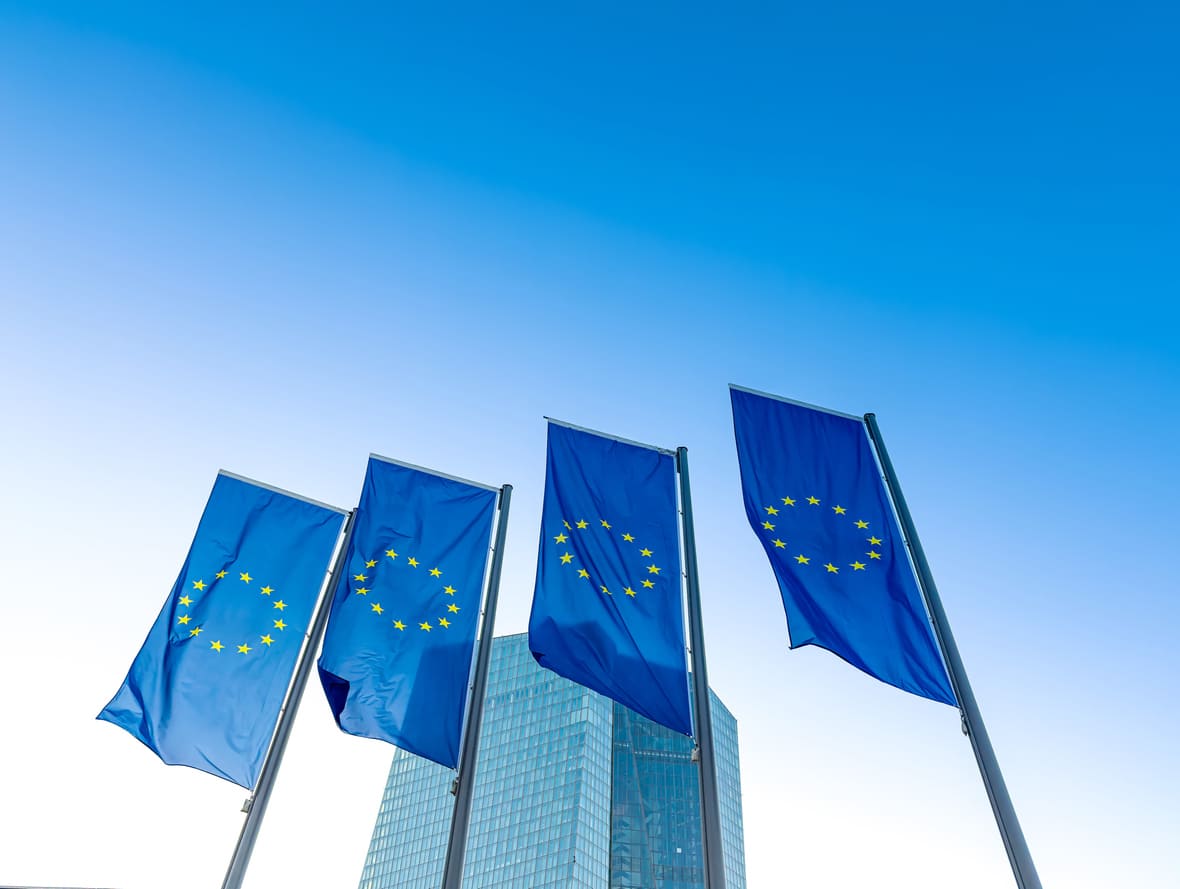
Europe’s economic environment is undergoing a period of significant adjustment as businesses respond to changing trade patterns, technological transformation, energy challenges and shifting consumer expectations. From manufacturing and finance to digital services and clean energy, companies operating in Europe are adapting their strategies to remain competitive in an increasingly interconnected global economy.
For investors, executives and international businesses, understanding these changes has become increasingly important. Market decisions now depend not only on traditional economic indicators but also on regulatory developments, geopolitical conditions, innovation trends and evolving relationships between European economies and global markets.
Why Europe’s Economic Environment Is Changing
For decades, Europe has played a central role in global commerce through its strong industrial base, advanced infrastructure and integrated consumer market. The European Union’s single market, which connects millions of businesses and consumers across member states, has supported cross-border trade and investment.
However, several factors have accelerated economic transformation in recent years:
| Key Factor | Impact on European Markets |
| Digital transformation | Businesses are investing in artificial intelligence, automation and data-driven services |
| Energy transition | Companies are adjusting supply chains and production strategies to meet sustainability targets |
| Global trade changes | Firms are diversifying suppliers and reassessing international partnerships |
| Regulatory developments | New rules on technology, sustainability and competition are influencing business strategies |
The combination of these forces has created a more complex operating environment. Companies must balance growth opportunities with regulatory compliance, supply chain resilience and changing customer expectations.
Technology and Innovation Become Central to Business Strategy
One of the most important developments shaping Europe’s business landscape is the rapid adoption of emerging technologies.
Artificial intelligence, automation and advanced data analytics are increasingly influencing how companies operate. Manufacturing companies are using smart production systems to improve efficiency, while financial institutions are applying AI tools for risk analysis, customer services and operational management.
The European technology ecosystem has also continued to develop through investments in areas such as semiconductor production, renewable energy technologies and digital infrastructure.
For businesses, technology adoption is no longer only a question of improving productivity. It is becoming a strategic factor that affects competitiveness, market positioning and long-term growth.
A growing number of companies are focusing on three major priorities:
- Improving operational efficiency through automation
- Building more resilient digital infrastructure
- Creating new products and services based on emerging technologies
These trends are affecting both large corporations and smaller enterprises. While multinational companies often have greater resources to invest in innovation, smaller businesses are increasingly adopting cloud platforms, digital tools and AI-based solutions to compete more effectively.
Global Trade Relationships Continue to Influence European Markets
Europe’s business environment is closely connected with global economic developments. Changes in international trade policies, supply chain structures and investment patterns have direct consequences for European industries.
Manufacturing sectors, including automotive, machinery and electronics, are particularly affected because they rely on complex international supply networks. Companies are increasingly reviewing sourcing strategies to reduce risks caused by transportation disruptions, geopolitical uncertainty and raw material shortages.
At the same time, Europe remains an important market for international companies seeking access to highly developed consumers and advanced industrial capabilities.
The relationship between European economies and global markets continues to evolve through:
| Business Area | Current Development |
| Manufacturing | Increased focus on supply chain resilience and advanced production technologies |
| Energy | Expansion of renewable energy investment and infrastructure upgrades |
| Digital economy | Growth of AI, cybersecurity and data-related industries |
| Consumer markets | Changing expectations around sustainability and digital experiences |
These developments mean businesses need a broader understanding of regional trends, policy changes and market conditions when making investment decisions.
Sustainability and Energy Transition Create New Business Opportunities
Energy transformation has become another major factor influencing European industries.
European companies are facing increasing pressure to reduce emissions while maintaining competitiveness. This has encouraged investment in renewable energy, energy efficiency technologies and sustainable production methods.
Industries that traditionally depend on high energy consumption, such as manufacturing and transportation, are exploring new approaches to reduce costs and meet environmental requirements.
The transition is also creating opportunities for businesses involved in:
- renewable energy infrastructure
- battery technologies
- electric mobility
- smart energy management systems
- sustainable materials
However, the transition also presents challenges. Companies must manage investment costs, adapt existing operations and navigate changing regulatory requirements.
Understanding Regional Developments Becomes More Important for Global Businesses
As Europe’s economic landscape becomes more interconnected, access to reliable information has become a critical factor for companies, investors and policymakers.
Businesses entering European markets need to understand not only economic data but also regional differences, cultural factors and policy developments. Regional context also matters: facts about europe, including linguistic diversity and differences among national institutions, provide useful background, although market conditions still vary by country.
Business assessments also depend on official regulations, industry-specific data, and differences between national markets.
The ability to interpret global events and connect them with business decisions has become an important capability for companies operating across borders.
What Businesses Should Watch Next
Looking ahead, several trends are expected to influence Europe’s business environment:
Artificial Intelligence and Digital Competition
AI adoption is likely to remain a major priority across industries. Companies that successfully integrate AI into operations may improve efficiency, while organizations that delay adoption may face increasing competitive pressure.
Supply Chain Adaptation
Businesses are expected to continue reviewing supply chains, balancing cost efficiency with resilience. Regional production, diversified suppliers and improved logistics management may become increasingly important.
Changing Investment Priorities
Investment decisions are likely to focus more heavily on sectors connected with technology, clean energy and infrastructure modernization.
Stronger Focus on Market Intelligence
As economic conditions become more dynamic, companies will increasingly rely on accurate market information to evaluate opportunities and manage risks.
Conclusion: A More Complex but Connected European Market
Europe’s business landscape is entering a new stage shaped by technological innovation, sustainability goals and changing global relationships. While companies face challenges from regulation, economic uncertainty and market transformation, new opportunities are emerging across technology, energy and international cooperation.
For businesses operating in or entering European markets, understanding these broader developments will be essential. The ability to adapt quickly, use reliable information and respond to changing market conditions will continue to shape competitiveness in the years ahead.