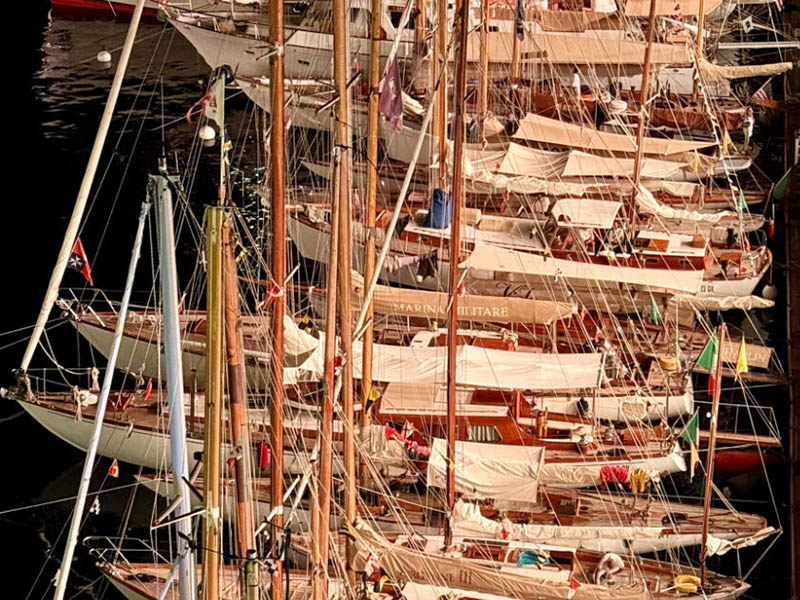
The 2025 Monaco Classic Week, hosted by the Yacht Club de Monaco, unfolded as a vivid celebration of maritime heritage, bringing together an extraordinary fleet of vintage vessels and their crews from across the world. Moored along the quay of Port Hercule, yachts that spanned generations of craftsmanship transformed Monaco into a living museum of the sea.
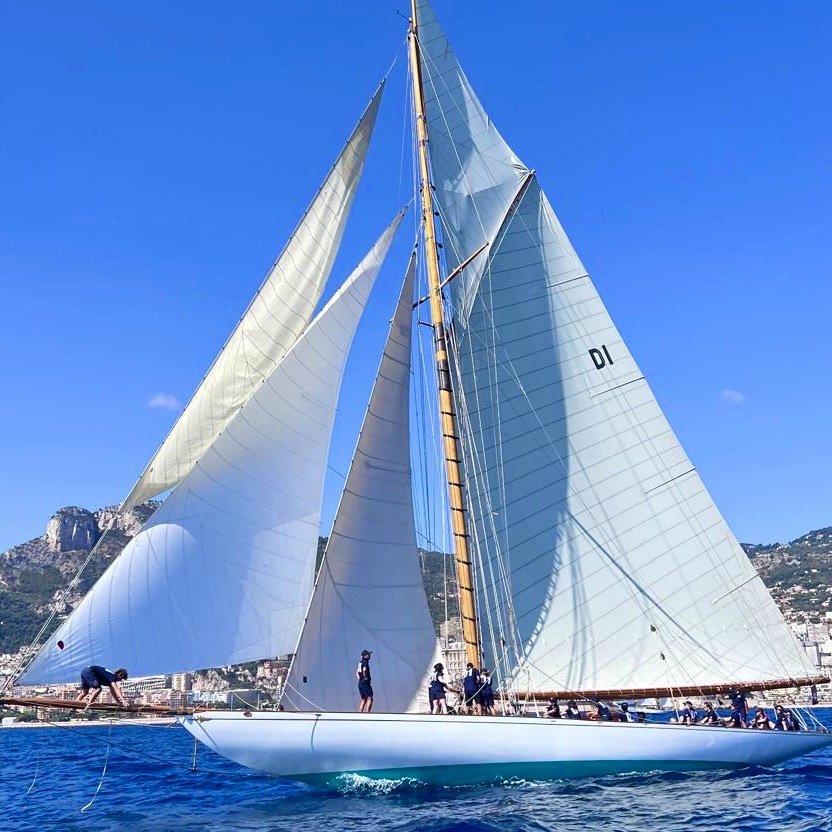
Against this backdrop, classic sailing yachts took to the cobalt waters of the Mediterranean, their gleaming wooden hulls and vast canvases recalling a bygone era of elegance. Among these maritime treasures was the storied 15 Metre International Rule yacht Mariska, built in 1908 and sailed by a determined American crew from the Manhattan Yacht Club.
The choice of Mariska placed the New Yorkers in rarefied company. Only a handful of yachts from this class remain, designed at the turn of the 20th century for royalty and gentlemen racers. Chartering such a vessel meant stepping back into a time before modern winches or powered assistance, when teamwork and stamina ruled the deck. The Americans, bolstered by professional sailors who ensured the yacht was handled expertly, committed themselves to learning her rhythms and relying on their own strength to master her vast rig.
That commitment was tested over four days of racing in conditions that ranged from gentle breezes to punishing gusts. The Manhattan sailors embraced the challenge. “This boat is from a different era, and to sail her well requires both humility and discipline,” said co-helmsman Edward L. Shugrue III, a New York fund manager. “Every line, every adjustment matters. It forces you to sail as one body rather than as individuals.”
Preparation set the Americans apart. Every morning started with a detailed briefing, outlining the course, possible shifts in wind and tide, and contingency scenarios. The crew would then position themselves on the racecourse long before the start, studying the line and practicing approaches to secure the cleanest possible opening.
“We believed the start would define our regatta,” Shugrue explained. “We spent countless hours studying timing and positioning so that when the race began, we were in control. Through organization and a mix of expertise, we found opportunities others missed.”
Leadership also played its role. The Manhattan Yacht Club drew on years of experience and long-standing relationships to assemble the team. Several members had campaigned in Monaco before, and that accumulated knowledge, combined with the careful recruitment of trusted sailors, created the foundation for a cohesive and confident crew.
“A boat like this is an orchestra and Michael Fortenbaugh, the Commodore, is our conductor,” said Shugrue. “Every member has a part to play, and success comes only when everyone listens to one another and optimizes their roles.”
The strategy worked. Mariska not only captured her division but claimed overall honors, a triumph for an American team at this storied regatta. In the celebratory parade through Port Hercule, the yacht played “New York, New York” as the crew, wearing straw boaters, saluted spectators from the deck. A Nebuchadnezzar of champagne was opened and shared with competitors, in a gesture that underscored the camaraderie at the heart of Classic Week.
“Anyone who raced here this week is a winner,” Shugrue remarked. “For us, this victory will always carry special meaning and pride.”
For the Manhattan Yacht Club, the victory was proof that meticulous preparation, thoughtful leadership, and collective spirit can make a century-old yacht competitive against the world’s best. The Americans left Monaco with friendships forged, lessons learned, and eyes set firmly on the next challenge.
The photos in the article are provided by the company(s) mentioned in the article and are used with permission.