
By Jimmy Cockerton
Two very different companies built empires on revenue that repeats, and their playbook now works for everything from coffee to consultancy.
Ask a founder about their product and you’ll struggle to get them to stop talking. Ask how the business will make money, and the room goes quiet. I’ve been there, building a website and then shocked I wasn’t inundated with sales leads. A great idea without a way to make money is just a hobby. So let’s talk about two that got it right: Netflix and Airbnb.
A tale of two revenue models
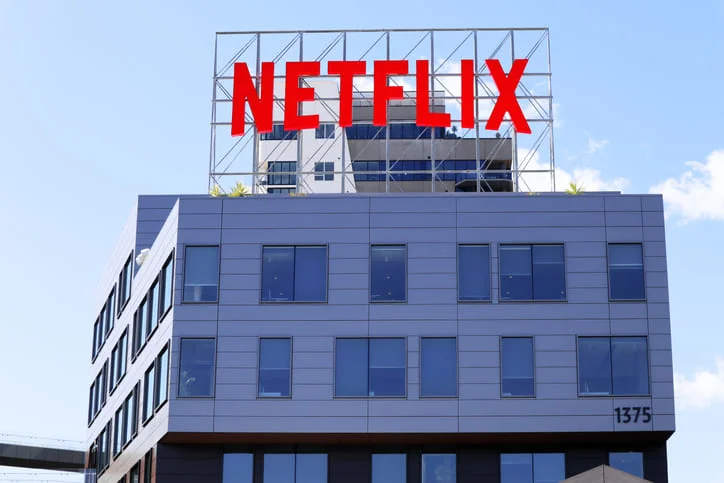
Netflix makes money through a subscription model. Customers pay a monthly fee for access to content. Their cash flow is more predictable because they know how many active subscribers they have and their churn rate at any given time. The more people subscribe, and crucially stay subscribed, the more money they make.
Airbnb doesn’t own a single property. It makes money by taking a commission on bookings. Every time someone rents out their spare room or beach house, Airbnb gets a cut. It thrives because it connects two groups of people, hosts and travellers, and takes a % of each transaction. It’s a marketplace.
Two completely different engines, but the same outcome: revenue that repeats without having to resell from scratch every month. Neither company picked the model that sounded cleverest. They picked the model that matched how their customers naturally wanted to pay. Nobody wants to buy a film library outright, and nobody wants a subscription to a holiday.
The quiet takeover of recurring revenue
Recurring revenue isn’t a Silicon Valley invention. The milkman was running a subscription business long before anyone in a hoodie pitched one to investors. Ordinary businesses were built on repeatable weekly income. Then somewhere along the way, retail decided its job was one-off transactions, and the subscription became a relic.
Software brought it back. In 2013, Adobe killed off its boxed Creative Suite, which sold for over $1,000 a copy, and made Photoshop subscription only. Microsoft moved the world’s most used software onto Office 365. Hundreds of millions of people who had never subscribed to anything in their lives were suddenly paying monthly for something they used to own. That was the moment recurring revenue started to become the default rather than the exception.
Spotify then made it a habit. A whole generation went from owning their music to renting access to all of it, and once that happened, paying monthly for anything felt normal.
Paying for the right to shop
And then came the shift that really matters for the rest of us. Amazon Prime got people to pay for the right to shop. Instead of discounting to win a sale, Amazon charged customers a fee to shop with them. Around 250 million people now pay it, and Amazon takes in over $44bn a year in subscription fees.
Once people proved willing to pay to shop, everyone wanted in. Costco has 81 million paying members and makes its real money from memberships rather than the products on its shelves. Pret sells 50% off your coffee for £5 a month on the British high street. Deliveroo Plus and Uber One have turned takeaways into memberships. HelloFresh has turned dinner into a subscription box. Fabletics, co-founded by Kate Hudson, has even turned gym leggings into a monthly membership.
The industries changed, but the logic never did. A product is just a repeatable set of steps that can be sold again and again and again. If you can define the steps, you can package them, price them and repeat them, whether you sell software, sandwiches or consultancy hours.
Recurring revenue only works if the value recurs
Before you slap a monthly price on everything you sell, a warning. A subscription isn’t a pricing decision. It’s a promise to keep delivering value every single month, and the numbers have to stack up.
In my book, I use one of my early business ideas, PawSwap, to test this: a platform matching pet owners with trusted co-owners for £9.99 a month. Sounds like lovely recurring revenue, until you look closer. The average customer solves their pet sharing problem in about three months and leaves, so their lifetime revenue is just under £30. Acquiring each one costs around £15 in ads, and serving them costs another £6. That leaves £9 per customer to cover £430 of fixed monthly costs, meaning you’d need nearly 50 new paying users every month just to break even. Recurring revenue on paper, a slow puncture in practice.
Big brands get this wrong too. The food chain Leon offered up to five barista-made drinks a day plus 20% off food for £25 a month. Customers loved it. The business didn’t. Staff were overwhelmed, quality suffered, and the scheme was scrapped at the end of 2025. Netflix works because there is always something new to watch. If your value runs out, so does your revenue.
Retention is the real engine
Imagine pouring water into a bucket with holes. No matter how much you add, it keeps leaking. That’s what it’s like when you focus solely on winning new customers without keeping the ones you have. According to the Harvard Business Review, attracting a new customer can cost anywhere from 5 to 25 times more than keeping an existing one. It’s why Costco obsesses over its renewal rate, which sits at around 90%. That figure is Netflix-style predictability in a warehouse full of tins.
In the early days of my own side hustle, we offered customers money off their next subscription fee for every introduction that resulted in a sale. Only happy customers do that, and it supercharged our growth. I also wrote handwritten letters to new customers to thank them for their business. Not very scalable, I know, but people remember it, and people who feel valued stay subscribed.
So how do you pick your model?
You don’t need to be Netflix or Airbnb to think like them. Ask yourself three questions.
- Can I continue to add value month on month?
- Will it bring predictable, recurring revenue?
- Does it match how my customers like to pay?
Netflix and Airbnb simply started with a revenue model that worked and let it compound. Sort out how the money flows in, and your business has a great future ahead of it. Skip it, and you’ve got a very expensive hobby.
 Jimmy Cockerton