Hidden Pressure on the Spot Silver Price
The electric vehicle revolution is usually discussed in terms of lithium, cobalt, nickel, and the shifting geopolitics of battery cathode chemistry. Silver gets far less attention, partly because the amount used per vehicle is smaller and partly because silver is not typically described as a battery metal. Yet for anyone tracking the spot silver price at SD Bullion or elsewhere, the electric vehicle and broader vehicle electronics trend has quietly become a meaningful piece of the demand story, and the trajectory is still rising.
Where Silver Actually Shows Up in an EV
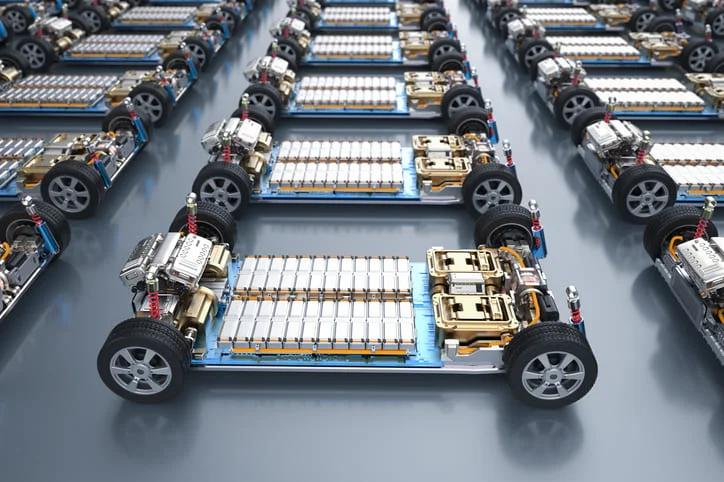
Silver is used throughout an electric vehicle in ways that do not attract the same attention as its battery metals. Printed circuit boards, electrical contacts, sensors, switches, automotive infotainment electronics, and increasingly the complex power electronics that manage battery charging and motor control all contain silver. The quantity per vehicle is not huge in absolute terms, but it is meaningfully higher than in a comparable internal combustion vehicle because the sheer amount of electronics and electrical switching is greater.
The International Energy Agency’s annual electric vehicle outlook publications are the best public source for data on global EV sales trajectories, which directly feed into projected silver demand growth from this segment. The headline numbers make clear that EV adoption is still in its early-to-middle phase globally, which implies this demand channel has years of growth ahead.
The Autonomous Driving and ADAS Angle
Advanced driver assistance systems and the longer-term autonomous driving trajectory dramatically increase the electronics content per vehicle, which in turn increases silver content. Radar, lidar, camera modules, and the processors that integrate their outputs all contain silver in meaningful amounts. As the average new vehicle moves from basic ADAS to more comprehensive autonomous features, the per-vehicle silver intensity rises, independent of whether the underlying drivetrain is electric or internal combustion. This trend compounds the demand story and helps explain why the spot silver price has been finding sustained support even during periods when the industrial outlook for other metals has been weaker.
Charging Infrastructure as a Parallel Demand Stream
Every electric vehicle requires charging infrastructure, and every charging station contains silver in its power electronics. The global build-out of public and private charging networks is its own commodity story that rarely gets covered alongside vehicle production. Utility-scale grid upgrades to accommodate EV charging loads add another layer of silver demand in substations, transformers, and switchgear. The spot silver price reflects the sum of these parallel demand streams, not just the vehicles themselves.
Why Silver Cannot Easily Be Substituted
Copper can substitute for silver in some applications at a performance cost. Aluminum can substitute in still others. But in many electronics applications, silver’s combination of conductivity, corrosion resistance, and workability is difficult to replicate economically at scale, particularly in the small, high-density form factors modern vehicle electronics require. Manufacturers have been working on reducing silver content per unit, and they will continue to succeed incrementally, but the base level of silver demand per vehicle has proven stickier than the reduction efforts would suggest.
The China Factor
China is both the largest electric vehicle market and the largest producer, which means Chinese vehicle industry demand for silver is concentrated and consequential. Any significant shift in Chinese EV policy, subsidies, or consumer behavior has outsized effects on global silver demand from this channel. Western investors who ignore Chinese automotive data when thinking about the spot silver price are missing the most important single driver of this particular demand stream.
Heavy Duty and Commercial Vehicles
The electrification of commercial vehicles, buses, and eventually long-haul trucks is lagging passenger vehicles but following a similar trajectory. These larger vehicles contain substantially more electronics and silver per unit than passenger cars, which means the commercial segment could contribute disproportionately to silver demand once it reaches serious deployment scale. Fleet electrification is one of the quieter but more consequential medium-term stories for the spot silver price.
How to Track This Channel Without Becoming an Auto Analyst
Silver investors who want to monitor this demand stream do not need to become automotive industry experts. Quarterly EV sales data from the major producers, aggregated market reports from the IEA and industry bodies, and occasional deeper reads on charging infrastructure build-out are enough to maintain a useful awareness. The goal is to know whether this demand channel is accelerating, stable, or slowing, and to factor that into broader views of the spot silver price rather than to make specific vehicle-related trading decisions.
The Long Arc
The electric vehicle transition is a multi-decade story, and the silver demand that accompanies it is not going to reverse quickly even if individual quarters disappoint. Investors who incorporate this channel into their understanding of the market tend to hold their silver positions more confidently through short-term noise, because they understand the structural demand growth happening underneath the daily price action. The spot silver price on any given afternoon is a snapshot; the underlying demand trajectory is a slower-moving but more reliable force.
A Quiet Compounding Story
Electric vehicles, automotive electronics, autonomous driving hardware, and charging infrastructure together form a multi-layered demand story that investors focused on headline solar numbers sometimes underweight. Each layer is modest on its own; together they add up to a meaningful structural pressure on the silver market that compounds year over year. The spot silver price has been incorporating this reality gradually, and the adjustment is probably not yet complete.
Related on our site: lithium supply chain economics, the geography of battery manufacturing, and how power electronics shape the broader metals markets.