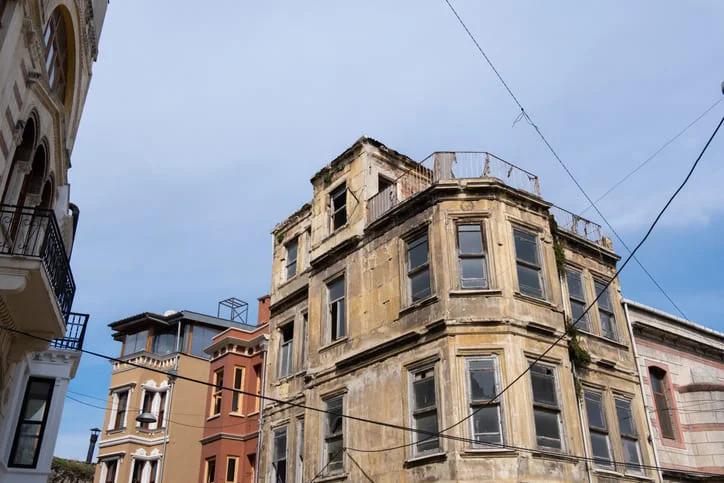
Older homes often waste energy in ways homeowners do not immediately notice. Aging HVAC, plumbing, insulation, and ventilation systems may still function, but they can quietly drive up utility costs while making the home less comfortable and harder to maintain. Understanding aging building systems is the first step toward spotting hidden energy waste before it turns into bigger repair costs.
Aging Building Systems And Energy Costs
Aging home systems can be deceiving because “still working” does not always mean “working efficiently.” In many older homes, the furnace may still produce heat, the air conditioner may still cool, the water heater may still provide hot water, and the plumbing may still function — but each system may be using far more energy than necessary to do the job. The real question is how much effort each system needs to deliver that result.
Over time, HVAC equipment loses efficiency from worn parts, dirty coils, aging motors, restricted airflow, refrigerant issues, duct leakage, and outdated technology. Plumbing systems can also create hidden energy waste when hot water has to travel through long, uninsulated pipes, when water heaters run constantly to keep up with demand, when small leaks go unnoticed, or when sediment buildup forces the water heater to cycle more often. Older insulation, drafty windows, poor attic ventilation, and air leaks around the home make the problem worse by allowing conditioned air to escape.
As homes age, the building itself changes. Insulation settles, ducts loosen, pipe runs lose efficiency, seals dry out, ventilation paths become blocked or unbalanced, and equipment parts wear down. The home may still feel functional, but the systems are now working against more resistance than they were designed for.
The result is a home that feels harder to heat, harder to cool, slower to deliver hot water, and more expensive to operate. Nothing may appear “broken,” but the house is quietly asking its systems to work harder every day. That extra workload shows up as higher utility bills, uneven comfort, more frequent repairs, and shorter equipment life.
This is why older homes can be expensive even when nothing appears broken. The issue is often not a complete failure. It is performance drag. The HVAC system runs longer because conditioned air escapes. Rooms become harder to balance because airflow has changed over time. Small inefficiencies in aging building systems stack together until the home needs more energy to deliver the same comfort.
A good way to think about it is this: an older system may still be doing its job, but it may be doing that job the expensive way. The most expensive phrase in an older home is often “it still works.” A system can still work while quietly costing more every month than a modern, properly maintained, and well-matched system should.
Signs Of Aging Building Infrastructure
The most common warning sign is inconsistency. If one room is comfortable while another is too hot, too cold, stuffy, damp, or drafty, the home is likely losing energy somewhere. Older homes often develop a combination of small problems that add up: air leaks, weak insulation, inefficient equipment, leaky ducts, poor ventilation, and plumbing systems that waste heated water. These patterns are often early signs of aging building infrastructure that needs attention.
Homeowners should pay attention to rising energy bills that cannot be explained by weather or usage changes. Other signs include short HVAC cycles, long run times, frequent thermostat adjustments, musty odors, condensation on windows, rooms that never feel comfortable, noisy ductwork, weak airflow, unusually dry or humid air, and dust that returns quickly after cleaning.
The clearest sign is a home that requires constant adjustment. If homeowners are always changing the thermostat, using space heaters, opening windows, closing vents, waiting too long for hot water, or avoiding certain rooms because they are uncomfortable, the home is likely wasting energy somewhere.
Outdated HVAC issues often show up as uneven room temperatures, weak airflow, loud operation, frequent cycling, long run times, dry winter air, sticky summer air, or utility bills that rise faster than comfort improves. The system may not be failing outright, but it may be compensating for air leaks, duct problems, poor insulation, or equipment that is no longer efficient.
Plumbing-related signs can include slow hot water delivery, fluctuating water temperature, poor water pressure, unexplained increases in water bills, pipe noise, damp spots, corrosion, or a water heater that seems to run constantly. These can also point to outdated plumbing that is wasting both water and energy.
Insulation and ventilation issues may show up as ice dams, hot upstairs rooms, cold floors, attic moisture, peeling paint, drafts, musty smells, window condensation, or rooms that feel stuffy. These problems can all point to poor air movement, uncontrolled leakage, or inadequate thermal protection.
In older homes, energy waste is rarely caused by one dramatic failure. More often, it comes from several aging systems quietly working against each other. A helpful way to identify waste is to look for patterns. One uncomfortable room may be a localized issue. A home that is drafty, uneven, humid, dusty, and expensive to run likely has multiple aging systems interacting poorly.
Outdated HVAC System And Utility Bills
An outdated HVAC system affects nearly every part of the home because heating and cooling are usually among the largest energy demands in a household. As HVAC equipment ages, it often has to run longer to reach the thermostat setting. That means more energy use, more wear on parts, and higher monthly utility bills.
Comfort usually suffers first. Older systems may struggle to distribute air evenly, leaving some rooms too warm and others too cold. They may short-cycle, run constantly, push less air through the ducts, or fail to control humidity properly. Even when the thermostat says the home is at the right temperature, the space may still feel uncomfortable because airflow, humidity, and insulation are not working together.
Indoor air quality can also decline. Aging HVAC systems may have dirty coils, old filters, leaky ducts, or poor ventilation, which can circulate dust, allergens, odors, and excess moisture throughout the home. If ducts are leaking through attics, crawl spaces, basements, or wall cavities, the system may pull in unconditioned air and contaminants before distributing them into living areas.
The financial impact is often gradual. A homeowner may not notice a sudden jump, but over months and years, an outdated system can make heating and cooling more expensive than necessary. An outdated HVAC system may not double the bill overnight, but it can add unnecessary cost every time it runs. Eventually, the homeowner may be paying premium utility costs for average or below-average comfort.
An outdated HVAC system does more than use extra energy. It changes how the entire home feels. The homeowner sees the system turn on and assumes it is doing its job, but the home may be receiving inconsistent comfort at a higher operating cost.
The bigger issue is that old HVAC systems often mask other building problems. Replacing the unit may help, but if the ducts leak, the attic is under-insulated, or the home has uncontrolled air leakage, even new equipment may underperform. HVAC efficiency depends on both the machine and the house it serves.
Outdated Plumbing And Water Heater Waste
Plumbing is often overlooked in energy-efficiency conversations, but it can be a major source of hidden waste. Any time a home wastes hot water, it is wasting both water and the energy used to heat it. That makes outdated plumbing one of the most overlooked sources of energy loss in older homes.
An old water heater may lose heat through poor insulation, sediment buildup, inefficient burners or heating elements, aging valves, thermostats, or an oversized tank that keeps more water hot than the household actually needs. Sediment is especially common in older units and can make the system work harder to heat the same amount of water. If the water heater is oversized, poorly maintained, or located far from the main points of use, it may waste energy every day without creating an obvious emergency.
Hot water delivery is another hidden cost. In many older homes, long or uninsulated pipe runs mean homeowners let water run while waiting for it to get hot. That wastes water, but it also wastes the energy used to heat the water left sitting in the pipes after each use.
Leaky pipes create another layer of waste. A small hot water leak may not seem urgent, but it can cause the water heater to cycle more often throughout the day. Poor water pressure can also be a sign of corrosion, mineral buildup, pipe restrictions, or aging fixtures that reduce performance and make daily tasks take longer.
Inefficient fixtures, such as older showerheads, faucets, and toilets, can increase water consumption without improving comfort. Poor water pressure, corrosion, mineral buildup, outdated plumbing, and inefficient fixtures can also make showers, laundry, dishwashing, and cleaning take longer or use more water than necessary.
In older homes, the best plumbing upgrades are often the ones homeowners barely notice after installation — faster hot water delivery, steadier pressure, fewer leaks, lower water use, and less energy spent heating water that never gets used.
The important point is that plumbing efficiency is not only about water conservation. It is also about heat conservation. Every gallon of hot water wasted represents energy the homeowner already paid for.
Top Energy Efficient Upgrades For Old Homes
The best energy-efficient upgrades for an old home are usually the ones that reduce waste before replacing major equipment. Many homeowners want to start with new windows or a new HVAC system, but the biggest first step is often air sealing and insulation. If heated or cooled air is escaping through the attic, crawl space, basement, walls, ducts, or gaps around the home, even a brand-new system will have to work harder than it should.
A strong upgrade path usually starts with a home energy assessment. From there, the highest-impact improvements often include sealing air leaks, improving attic insulation, sealing or insulating ductwork, upgrading weatherstripping, correcting ventilation problems, and tuning the HVAC system. These improvements help the home hold temperature better, move air more effectively, waste less heated water, and improve comfort quickly.
The best upgrades for an older home are not always the most visible ones. In many cases, the biggest energy improvements come from fixing the parts of the home homeowners rarely see: attic leaks, duct connections, crawl spaces, rim joists, pipe insulation, ventilation paths, and equipment maintenance.
A smart first step is to reduce the home’s load before replacing major equipment. Load means the amount of heating, cooling, and hot water the home demands. If a house is drafty, poorly insulated, or leaking conditioned air through ducts, the HVAC system has to work harder no matter how new it is.
After the home’s envelope is improved, homeowners can look at equipment upgrades. High-efficiency HVAC systems, heat pumps, smart thermostats, efficient water heaters, low-flow fixtures, improved windows, and improved ventilation can all make a meaningful difference. In some homes, replacing an old water heater or adding pipe insulation may provide a faster return than cosmetic upgrades.
The biggest difference usually comes from matching the upgrade to the home’s actual weakness. A drafty home needs air sealing. A poorly insulated attic needs insulation. A home with leaky ducts needs duct repair. An old, oversized, or failing HVAC system may need replacement — but only after the home is ready to get the full benefit from that new equipment.
The best upgrade order is not “newest technology first.” It is “biggest waste first.” Older homes benefit most when homeowners stop the leaks, losses, and inefficiencies before investing in expensive equipment. This is also why energy retrofitting approaches for older buildings should begin with the sources of energy waste, not just the most visible upgrades.
How To Make An Old Home More Energy Efficient
Homeowners do not need to renovate the entire house to make an older home more efficient. The smartest approach is to improve the home in phases, starting with low-disruption upgrades that reduce waste right away. The goal of making an old home energy efficient is to make each improvement reduce waste now while preparing the home for better upgrades later.
A practical first phase includes sealing obvious drafts, replacing worn weatherstripping, adding door sweeps, sealing gaps around plumbing and electrical penetrations, changing HVAC filters regularly, scheduling HVAC maintenance, installing a programmable or smart thermostat, insulating accessible hot water pipes, and switching to efficient fixtures like showerheads and faucet aerators. These upgrades are relatively simple, but they help reduce the daily energy burden on the home.
The next phase can focus on the attic, basement, crawl space, ducts, and rim joists. These areas are often responsible for major energy losses, yet they do not usually require tearing apart finished living spaces. Improving attic insulation, sealing duct leaks, insulating rim joists, and correcting ventilation problems can make the home feel more stable and comfortable.
Larger upgrades, such as HVAC replacement, water heater replacement, window improvements, or major plumbing work, can be planned around system age, repair history, comfort problems, utility costs, budget, and urgency. Instead of rushing to replace everything at once, homeowners can address larger systems as they reach the right point for replacement.
This phased approach helps homeowners avoid wasting money. For example, replacing an HVAC system before sealing ducts may leave savings on the table. Replacing windows before addressing attic air leaks may not solve the main comfort problem. Making an old home energy efficient works best when each project is chosen because it solves a known weakness.
For older homes, a phased plan is often better than a rushed renovation because it lets homeowners invest where the home will benefit most. Making an old home energy efficient is less about doing everything at once and more about choosing the right improvements in the right order.
Energy Retrofitting Approaches For Older Buildings
For homeowners on a limited budget, the most practical energy retrofits are the ones that reduce waste, improve comfort, and protect the home without requiring major demolition. The most practical retrofits for older homes are the ones that improve the building’s basic performance before adding expensive new systems.
Air sealing is usually one of the best places to start because older homes often leak conditioned air through many small gaps rather than one obvious opening. Attics, basements, crawl spaces, chimneys, recessed lighting, plumbing penetrations, wall gaps, old framing connections, and framing gaps can all allow conditioned air to escape. Sealing these leaks can reduce the workload on heating and cooling equipment.
Insulation is another high-value improvement, especially in attics and other accessible areas. Many older homes are under-insulated by modern standards, and adding insulation can reduce heat loss in winter and heat gain in summer. Even homes that have insulation may not have enough.
Duct sealing can also be extremely practical if the home has forced-air heating or cooling, because leaky ducts can waste conditioned air before it ever reaches the rooms. It keeps conditioned air moving to the rooms instead of leaking into unconditioned spaces.
Budget-conscious homeowners should also consider HVAC maintenance, pipe insulation, water heater maintenance, low-flow fixtures, smart thermostats, caulking, weatherstripping, and ventilation improvements. For plumbing, practical retrofits include flushing or servicing the water heater, insulating hot water pipes, fixing leaks, upgrading old fixtures, and checking whether the current water heater still matches the household’s needs. These projects are often less expensive than full replacements but can still reduce utility costs and improve day-to-day comfort.
The key is to avoid guessing. A basic energy audit or professional inspection can help homeowners prioritize. For example, replacing windows may be less urgent than sealing attic leaks, and replacing an HVAC system may not solve comfort problems if ducts are leaking or insulation is poor. The most practical retrofit is the one that fixes the source of the waste, not just the symptom.
The best limited-budget strategy is to avoid cosmetic efficiency upgrades that do not address the source of the waste. Practical retrofitting starts with diagnosis, then spends money where it changes performance the most. Energy retrofitting approaches for older buildings are most effective when they connect the home’s comfort problems, utility costs, and system performance into one clear plan.
Repairing Aging Building Infrastructure
Homeowners should make this decision by looking at performance, age, safety, efficiency, repair frequency, and long-term cost — not just whether the system still turns on. They can start by asking four questions: Is it safe? Is it reliable? Is it efficient? Is it worth continuing to invest in?
Maintenance makes sense when the system is generally reliable, safe, and efficient enough to continue operating. This includes cleaning, tune-ups, filter changes, flushing a water heater, sealing small leaks, adjusting airflow, leak checks, caulking, weatherstripping, inspection of insulation or ventilation, or replacing minor worn parts.
Repair makes sense when the problem is isolated and the rest of the system still has useful life left. For example, replacing a faulty thermostat, repairing a minor pipe leak, fixing a single HVAC component, worn valve, or localized duct problem may be worthwhile if the system is otherwise performing well.
Upgrading makes sense when the home has recurring comfort or efficiency problems but does not require full replacement. Examples include adding insulation, sealing ducts, installing better ventilation, replacing inefficient fixtures, insulating pipes, or adding smart controls.
Full replacement becomes the better option when a system is near the end of its service life, needs frequent repairs, uses outdated technology, creates safety risks, or costs too much to operate. A water heater that is nearing failure, an HVAC system with repeated expensive repairs, corroded plumbing, failing windows, or insulation damaged by moisture may cost more to keep patching than to replace properly.
The best decisions come from looking at the home as a connected system. New HVAC equipment will not perform well in a leaky, poorly insulated home. New plumbing fixtures will not solve problems caused by a failing water heater, corroded pipes, or outdated plumbing. HVAC, insulation, ducts, windows, plumbing, and ventilation all affect each other.
A thoughtful inspection helps homeowners choose the right level of investment instead of spending money in the wrong order. The smartest decision is not always “repair or replace.” Sometimes it is “fix the surrounding conditions first so the next major replacement actually performs as expected.” This is especially true when aging building infrastructure is creating problems across multiple systems at once.
Maintaining Aging Building Systems
Preventive maintenance is especially important in older homes because small problems can stay hidden until they become expensive. A minor duct leak, slow pipe leak, dirty HVAC coil, clogged filter, aging water heater, damaged insulation, or poor attic ventilation may not seem urgent at first. Over time, however, these issues can increase energy use, strain equipment, damage building materials, shorten the life of major systems, and lead to emergency repairs.
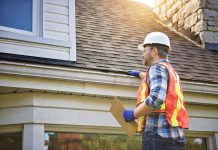
Regular inspections help homeowners catch problems while they are still manageable and inexpensive to correct. An HVAC inspection can reveal airflow restrictions, worn parts, refrigerant issues, dirty components, weak performance, or failing equipment before the system breaks during extreme weather. A plumbing inspection can identify corrosion, leaks, water heater problems, pressure issues, aging fixtures, or inefficient fixtures before they cause water damage or major energy waste. An insulation and ventilation inspection can uncover drafts, moisture concerns, attic heat buildup, areas where the home is losing conditioned air, or problems that force equipment to work harder.
Preventive maintenance also helps systems last longer. Equipment that is cleaned, adjusted, sealed, and monitored does not have to work as hard. That can mean lower utility bills, fewer surprise breakdowns, better comfort, and more time to plan upgrades before something fails.
Preventive maintenance also gives homeowners time to plan. Emergency replacements are usually more stressful and more expensive because decisions have to be made quickly. Inspections turn surprises into scheduled projects. That means homeowners can prioritize, budget, compare options, and avoid paying extra because a system failed at the worst possible time.
For older homes, maintenance is not just about avoiding repairs or keeping things running. It is about protecting the home’s efficiency, comfort, safety, and value while keeping small inefficiencies from becoming permanent energy losses, comfort problems, and major repair bills. Maintaining aging building systems also helps homeowners understand when simple upkeep is enough and when larger energy retrofitting approaches for older buildings may be needed.