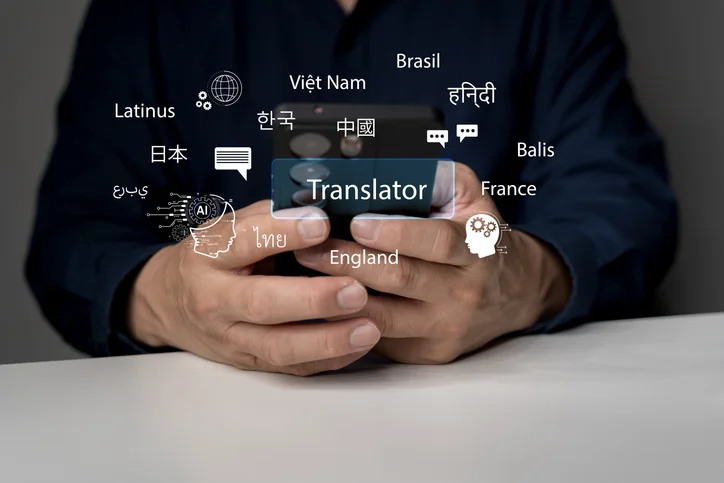
In today’s tech industry, where algorithms write code and AI writes prose, the frontier of communication has never been wider, or more fragile. Every digital product, from an AI-driven app to a complex industrial system, depends on one simple premise that people around the world must understand it. That’s where the quiet power of a professional translation service comes in with companies like The Word Point leading this process. From software localization to technical manuals translation, TheWordPoint supports technology companies that demand both precision and confidentiality.
For years, translation was seen as an afterthought in technology, just a final step in marketing, an appendix to documentation. Now, as the industry races toward global deployment, precision and clarity in language have become strategic advantages. The companies succeeding in international markets by translating better are engineering better systems.
Why Tech Companies Can’t Afford to Get Language Wrong
In the technology sector, miscommunication can be catastrophic. A single mistranslated phrase in a technical manual translation can lead to misuse, system failure, or safety violations. A misunderstood term in a software interface can frustrate users or even void regulatory compliance.
That’s why forward-thinking enterprises, from cloud providers to robotics manufacturers, are re-evaluating how they communicate in other languages on the new markets. They’re shifting from ad hoc, automated solutions toward a technical translation service model that combines subject-matter expertise with linguistic precision.
The Technology Behind Translation and the Humans Behind the Technology
AI has undeniably changed the translation landscape. Neural networks, machine learning, and AI translation engines like DeepL or Google’s Transformer models have revolutionized how quickly text can be rendered in different languages. But speed has come at a price – precision and intent.
In the tech industry, accuracy is binary, it either works or it doesn’t. A machine translation post-editing service builds that connection and uses automation to accelerate translation but relies on expert human editors to review, correct, and refine the output delivering the result -efficiency without compromise.
“The hybrid model is the future,” notes a translation technology expert at TranslaitonReport “Machines process data faster than humans ever could, but only a human translator can grasp context, tone, and industry nuance. That’s the difference between an error-free translation and a flawless one.”
This collaboration between human and machine is a perfect example of what industry experts know well – the fusion of innovation and human insight. Just as AI augments engineers, it now augments linguists, giving rise to smarter, faster, more scalable translation workflows.
Technical Translation: The Unsung Infrastructure of Innovation
Think about the last device you configured, the software you installed, or the training module your team completed. Each came with a trail of translated materials such as technical manuals translation, UX strings, compliance statements, and API documentation. Every one of them represents thousands of linguistic decisions that shape how technology is used globally.
In sectors like aerospace, healthcare, and manufacturing, the margin for error in translation is effectively zero. Engineers and operators rely on documentation that must be both precise and accessible in multiple languages. In such contexts, only a human translation service can ensure that specialized terminology and context align perfectly with the user’s environment. A technical translation service interprets engineering logic, user workflows, and regulatory frameworks. It’s an invisible infrastructure, one that powers every successful international rollout.
The New Globalization: Scaling Through Language
As digital transformation accelerates, startups and global enterprises alike are finding themselves multilingual by necessity. Cloud-based platforms, SaaS products, and connected devices reach audiences far beyond their home markets from day one.
But globalization is about understanding, and a professional translation service ensures that the story a company tells in one language remains consistent across all others, preserving its brand, intent, and legal accuracy.
For tech companies, this often begins with localization, which is the adaptation of content to fit regional norms, languages, and technical requirements. But localization itself depends on translation. Whether adapting user interfaces, onboarding materials, or software documentation, the backbone of any successful localization strategy is accurate, industry-specific translation.
AI Translation and Its Ethical Blind Spots
The rise of AI translation has led to astonishing efficiency gains, but it has also raised ethical and practical challenges. Automated systems learn from vast datasets, including human-created text, but some of which may contain bias, errors, or confidential information.
For industries like cybersecurity, medtech, or fintech, the risks of exposing sensitive data to cloud-based AI translation tools are too high. A professional translation service provider mitigates that risk through secure, confidential workflows and compliance with international data protection standards.
Moreover, AI translation still struggles with technical ambiguity. When a term like “server” could mean a piece of hardware or a backend process, human translators are the only ones capable of discerning the correct meaning based on context. In an industry where precision is non-negotiable, that distinction can’t be automated away.
The Human Role in a Machine-Led Future
The irony of modern technology is that as machines grow smarter, the value of human understanding increases. The same is true for translation. The more advanced AI becomes, the more crucial human expertise becomes in guiding, correcting, and contextualizing its output.
A human translation service ensures that every term, instruction, and paragraph reflects not just linguistic accuracy but human intention. It’s what keeps technical documentation readable, UX interfaces intuitive, and safety standards enforceable.
“The future isn’t human vs. machine,” as TheWordPoint’s leadership puts it. “It’s human plus machine, each doing what they do best.”
That philosophy aligns perfectly with the trajectory of the broader tech world. The same synergy that drives autonomous vehicles and predictive analytics now defines the future of global communication.
Why Translation Is Becoming a Core Tech Discipline
In 2025 and beyond, translation will no longer be treated as an auxiliary function, it will be a technical discipline in its own right. Just as cybersecurity and UX design evolved from niche specialties into business-critical domains, translation is emerging as a pillar of global operations.
Recent recearch at TranslationReport discover that best technical translation service providers are already building multilingual frameworks into DevOps pipelines, product documentation, and support systems. Translation is being embedded directly into product design, allowing companies to launch in multiple languages simultaneously. This integrated approach ensures that innovation travels as fast as technology itself. For the tech sector, where every millisecond matters, so does every word.
A Human Approach to High-Tech Communication. The Language of the Future Is Hybrid
Among the new generation of translation leaders, leading translation providers exemplifie what the industry’s future looks like: a data-driven, human-centered approach. The best translation company blends the rigor of technology with the discernment of experienced linguists. Its machine translation post-editing service accelerates delivery times, while human translators refine the results to perfection.
The technology sector thrives on precision and vision – the ability to see connections others overlook. Translation, in its truest form, is the same art. It’s the act of connecting not just languages, but people, systems, and ideas around the world. A professional translation service is no longer a backstage player, but is a part of the engine driving technological progress. And as AI evolves, the partnership between human translators and intelligent systems will define how innovation speaks to the world.
Disclaimer: This article contains sponsored marketing content. It is intended for promotional purposes and should not be considered as an endorsement or recommendation by our website. Readers are encouraged to conduct their own research and exercise their own judgment before making any decisions based on the information provided in this article.