Modern buildings rely on a complex network of electrical systems that keep operations running smoothly. From lighting and HVAC systems to machinery, automation, and safety devices, electricity drives nearly every function of a facility.
At the center of this essential infrastructure lies the main electric switch board, often referred to as the heart of the electrical system. Switch board determines how power flows, how it is controlled, and how safely it is delivered to every corner of a building.
As technologies advance and buildings grow smarter, energy efficient, and more interconnected, the importance of the main electric switch board has evolved significantly. Today, it not only distributes electricity but also supports intelligent monitoring, safety enhancements, scalability, and operational efficiency.
This comprehensive guide explores why the main electric switch board remains a critical component in modern infrastructure, what makes it indispensable, and how its role continues to evolve in next generation facilities.
What Is a Main Electric Switch Board
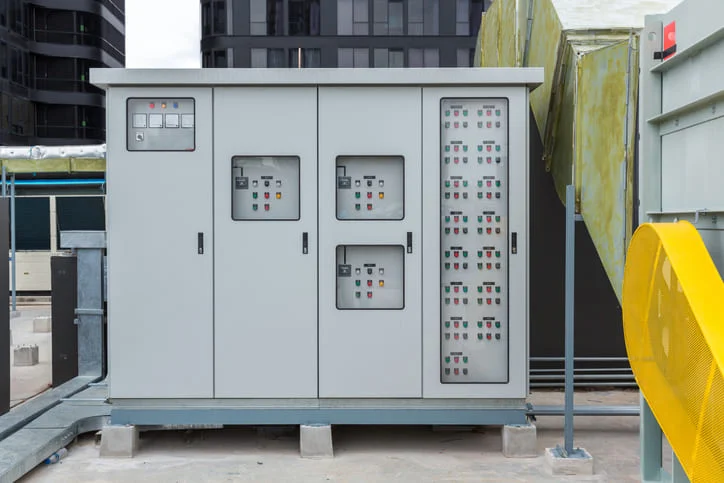
The main electric switch board is a centralized assembly of panels, switches, busbars, circuit breakers, fuses, and protective devices. Its core purpose is to safely distribute electricity from the incoming supply whether from a utility provider, generator, or renewable energy source to various circuits throughout a building.
Core Functions of a Main Electric Switch Board
- Receives and controls incoming electrical power
- Distributes electricity to sub switchboards and circuits
- Protects equipment and occupants from electrical faults
- Enables safe isolation of circuits during maintenance
- Supports monitoring and management of electrical loads
In essence, without a properly designed and installed main electric switch board, even the most advanced building cannot function safely or reliably.
Why the Main Electric Switch Board Matters in Modern Infrastructure
Today’s buildings require far more than simple power distribution. They require efficiency, resilience, safety, and adaptability. The main electric switch board enables all of these.
1. It Ensures Safe and Reliable Power Distribution
One of the most important roles of the switch board is to prevent overloads, short circuits, and electrical fires. Advanced protective devices detect faults instantly, cutting off power to prevent damage.
2. It Supports Smart Energy Management
As businesses adopt energy efficient practices, switch boards now integrate with:
- Smart meters
- Load monitoring systems
- Building automation platforms
These allow facility managers to optimize consumption, reduce wastage, and better control peak demand.
3. It Enhances Operational Continuity
Faults and outages can disrupt business operations. The main switch board minimizes downtime by:
- Allowing isolation of affected circuits
- Ensuring power redundancy
- Supporting generator and UPS integration
4. It Prepares Facilities for Future Expansion
Modern switch boards are modular, meaning they can grow with the building’s increasing load requirements.
Components That Make Up the Main Electric Switch Board
Understanding the structure of the switch board helps clarify its role.
1. Busbars
Copper or aluminum bars that conduct electricity throughout the board. They carry high current safely.
2. Circuit Breakers
Protective devices that interrupt power when faults occur.
3. Switches and Isolators
Allow manual control and safe maintenance.
4. Meters and Monitoring Systems
Display real time voltage, current, power factor, and energy consumption.
5. Protective Relays
Detect abnormal conditions like overcurrent or earth faults.
6. Enclosures
Provide physical protection, safety, insulation, and organization for internal components.
Applications of Main Electric Switch Boards Across Different Facilities
Nearly every large facility depends on a main switch board for reliable power distribution.
Commercial Buildings
- Office floors
- Retail zones
- Elevators and escalators
- HVAC systems
Industrial Plants
- Heavy machinery
- Automation systems
- Conveyor lines
- Substations
Hospitals and Healthcare
- Critical care equipment
- Diagnostic machines
- Operating theaters
- Backup power systems
Educational Institutions
- Laboratories
- Server rooms
- Campus utilities
Data Centers
- Server racks
- Cooling systems
- High demand circuits
- UPS and generator connections
Key Features of Modern Main Electric Switch Boards
Advancements in electrical technology have transformed traditional switch boards into intelligent infrastructure components.
1. Higher Fault Level Capacity
Today’s buildings demand switch boards capable of handling higher fault currents due to increased loads and interconnected systems.
2. Digital Monitoring and Smart Controls
Advanced boards now include:
- Remote monitoring
- Real time energy analytics
- Predictive maintenance indicators
3. Modular and Scalable Designs
Facilities can add more circuits, panels, or capacity without major redesigns.
4. Enhanced Safety Mechanisms
Safety features help prevent:
- Arc flash events
- Fire risks
- Overheating
- Electrocution hazards
5. Integration with Renewable Energy Systems
Solar power, wind power, and hybrid energy setups can feed into main switch boards seamlessly.
What to Consider When Choosing a Main Electric Switch Board
Selecting the right switch board requires more than just matching power ratings.
1. Building Type and Load Requirements
Every building has unique electrical needs. Consider:
- Total connected load
- Peak demand
- Sensitive equipment requirements
2. Safety Certifications and Compliance
Ensure compliance with standards such as:
- IEC
- NEC
- Local electrical codes
- Fire and building safety regulations
3. Environmental Conditions
Outdoor switch boards require protection against:
- Dust
- Water
- Temperature extremes
- Corrosion
4. Future Expansion Plans
Choose a design that allows additions without major disruption.
5. Compatibility with Backup Power
If generators or UPS systems are used, the switch board must integrate them smoothly.
Role of the Main Electric Switch Board in Energy Efficiency
Energy efficiency is no longer optional it’s a necessity. The switch board contributes in multiple ways.
Load Management
By monitoring load distribution, facility teams can prevent high demand penalties.
Power Factor Correction
Some boards include capacitors that reduce wasted energy from inefficient equipment.
Peak Demand Control
Digital controls can manage heavy loads more efficiently during peak hours.
Renewable Integration
Switch boards help balance power from the grid and renewable sources.
Installation Best Practices for Main Electric Switch Boards
Proper installation is essential for long term performance and safety.
1. Hire Qualified Electrical Professionals
Skilled engineers ensure the board is properly designed, installed, tested, and commissioned.
2. Allow Adequate Space
Electric rooms must provide space for:
- Maintenance
- Cooling
- Safe clearance
3. Ensure Proper Ventilation
Heat impacts performance. Cooling systems or natural ventilation may be required.
4. Conduct Thorough Testing
This includes:
- Insulation testing
- Load testing
- Safety device testing
- Functional testing
5. Follow Labeling and Documentation Standards
Clear labels help during emergencies and maintenance.
Common Challenges in Managing Main Electric Switch Boards
Larger buildings face recurring issues that the switch board must address effectively.
1. High Load Demand
Heavy loads may strain circuits unless the board is properly rated.
2. Power Quality Issues
Fluctuations can damage equipment without appropriate protective devices.
3. Aging Infrastructure
Outdated switch boards lack efficiency and safety features.
4. Inadequate Maintenance
Skipping maintenance increases risks of failure and safety hazards.
Maintenance Practices to Improve Switch Board Lifespan
Routine care keeps systems functioning optimally.
Scheduled Inspections
Technicians should:
- Check connections
- Evaluate thermal performance
- Inspect for wear or corrosion
Cleaning and Dust Removal
Dust buildup increases overheating risks.
Testing Protective Devices
Ensure that circuit breakers, relays, and switches work correctly.
Updating Outdated Components
Replace obsolete or inefficient devices with modern alternatives.
How the Main Electric Switch Board Is Evolving for the Future
New trends are shaping the next generation of switch boards.
1. Digitally Enabled Systems
Predictive analytics and remote diagnostics reduce downtime.
2. Eco Friendly Designs
Energy efficient components and sustainable materials are becoming standard.
3. Integration with IoT and Automation
Automation enhances load control and predictive maintenance.
4. Enhanced Arc Flash Protection
Safety innovations reduce risk for technicians and facility staff.
5. Renewable and Hybrid System Compatibility
Future switch boards must seamlessly integrate diverse energy sources.
Conclusion
The main electric switch board remains one of the most vital components in any modern building or industrial facility. It does far more than simply distribute power; it ensures safety, enhances efficiency, supports smart building technologies, and enables future scalability. As electrical systems become more advanced and interconnected, the role of the switch board becomes even more critical.
Choosing a high quality, well designed main electric switch board is essential for long term operational safety and efficiency. Whether you oversee a commercial property, industrial plant, hospital, or data center, prioritizing the right switch board and maintaining it properly will ensure that your facility continues to function at peak performance.
Disclaimer: This article contains sponsored marketing content. It is intended for promotional purposes and should not be considered as an endorsement or recommendation by our website. Readers are encouraged to conduct their own research and exercise their own judgment before making any decisions based on the information provided in this article.