

By Dr. Emilia Bunea
“Lead by your values” sounds simple. But what if your top value is power? Surprisingly, research shows that both power-driven and altruistic leaders can inspire others if they connect personal motives to shared meaning. Effective leadership isn’t moral perfection; it’s the skill of aligning and sometimes reshaping values to create collective direction.
There is no shortage of advice on values. “Lead according to your values” urge leadership best sellers, gurus, and coffee mugs. But what if my top values fall squarely in the “self-enhancement” category – prioritizing personal success and happiness over noble altruism? Are some values inherently better than others? And if so, shouldn’t I push myself to lead by those “superior” ones instead?
Let’s take a cool-headed, research-informed look at the value conundrum.
Psychologists use Schwartz’s model of Basic Human Values to organize values along two main dimensions:
- Self-enhancement vs. self-transcendence.When values center on the individual, they highlight power, achievement, and success; when they emphasize the collective, they stress altruism, care, and the universal good.
- Openness to change vs. conservation.Valuing novelty, experimentation, and flexibility contrasts with upholding tradition, fulfilling social obligations, and favoring conformity.
One might assume that leaders who prioritize self-enhancement or conformity would struggle to inspire others. In fact, research shows that leaders from all four value orientations can fire up their followers. Whether you value achievement and success, love and care, tradition and conformity, or novelty and flexibility, you can still be a transformational leader. The “lead by your values” mantra may have a point.
Yet several important caveats apply.
-
A Minimum of Self-Transcendence
A leader who is a heartless bastard and proud of it will find it hard to inspire. It’s fine to value power and achievement first, but some concern for others is necessary. There is also a virtuous feedback loop: many leaders start out with a strong power motivation, but as they feel responsibility for and attachment to their teams, their self-transcendence values grow.
“But,” you might say, “what about all those self-absorbed leaders, in public life as well as in organizations, who still command a loyal following?” Ask their followers to describe them: “selfish” or “narcissistic” is unlikely to top the list. And if those words appear, they will usually be qualified with “appears so, but is actually good-hearted.”
-
Strong Moral Absolutes
Unlike personal values, moral absolutes tend to be universal. They often take the form of “Thou shalt nots,” and tend to condemn wronging others. Violating them triggers strong moral emotions, either other-condemning (anger, disgust, contempt), or self-conscious (shame or guilt). Humans around the world share a basic moral code, and there are indications that some of it is programmed in our brains from birth. For example, we all possess a sense of fairness and we experience negative emotions, from an early age, when we see it violated. Research shows that having – and communicating – a strong moral code is an essential part of inspiring leadership.
-
Communicating Alignment
Inspiring leaders interpret and frame their own and their followers’ values to highlight shared ground. Those selfish, power-hungry, yet admired leaders you were wondering about earlier? They succeed because they also communicate values that followers care deeply about – often those they perceive as threatened.
When Your Team’s Values Clash with Yours
But what if the values of your new team or organization don’t align with your own? Perhaps you’ve joined a group that prizes competition over collaboration (self-enhancement), or one that overemphasizes harmony and helping others (self-transcendence) at the expense of results. In such cases, one of your most important leadership tasks is guiding a shift in the team’s values.
Three Keys to Shifting Team Values
-
Only Preach What You Can Practice
For instance, you might correctly conclude that your team needs to collaborate more. But if you yourself are naturally highly competitive and individualistic, simply talking about how there is no “I” in “team” is unlikely to inspire anyone to set aside their individual agendas and work for the collective good. If you really believe collaboration is good, shift your own values towards it, and demonstrate it yourself first.
-
Pay Up
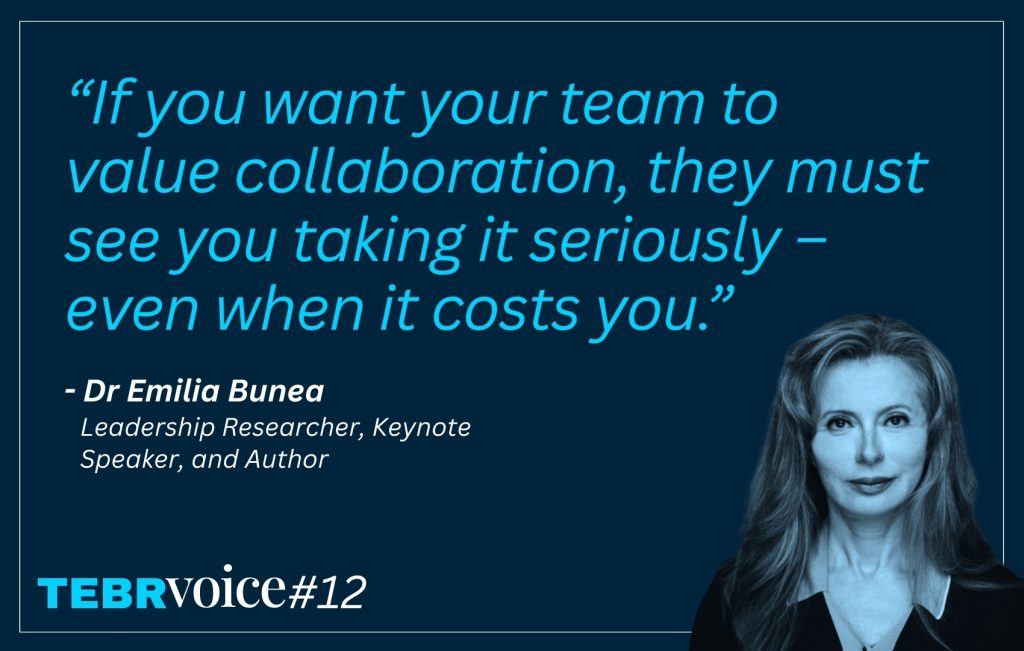
A leader’s values gain credibility when the leader sacrifices something to uphold them. Will collaborating with another team in your company hurt your own performance metrics but benefit the organization overall? If you want your team to value collaboration, they must see you taking it seriously – even when it costs you.
-
Respect Tradition
Paradoxically, leaders are most successful in driving change when they concomitantly emphasize respect for continuity and tradition. Franklin Roosevelt achieved acceptance of his “New Deal”, an unprecedented change in the government’s role, by tying it to traditional American values. In the mid-20th century, Pope John XXIII led some of the most sweeping changes in Catholic practices in centuries, while framing them as rooted in the Church’s longstanding mission. Even when changes are dramatic, finding what should continue and thrive helps reassure followers that their core identity remains intact. This is a terribly difficult task in these tough times, when you cannot even promise your team that they will have a job tomorrow. But it is especially now that your role is crucial in helping the group find the enduring story that unites and defines them.
In times of uncertainty, leaders who turn values from abstract words into daily choices create a source of trust and direction that no crisis can erode.
 Dr. Emilia Bunea