The move to a greener economy depends on one crucial part: the battery. Electric cars, home storage, and big grid systems all need reliable batteries. That demand is growing fast. It creates a major challenge: where to get the raw materials. One region now holds more than half the world’s reserves of “white gold” — lithium. This shift is changing global trade and local economies. The article looks at the main region of supply, the tech that matters, and the role financial hubs like Buenos Aires play in the change.
The Epicenter of Modern Energy
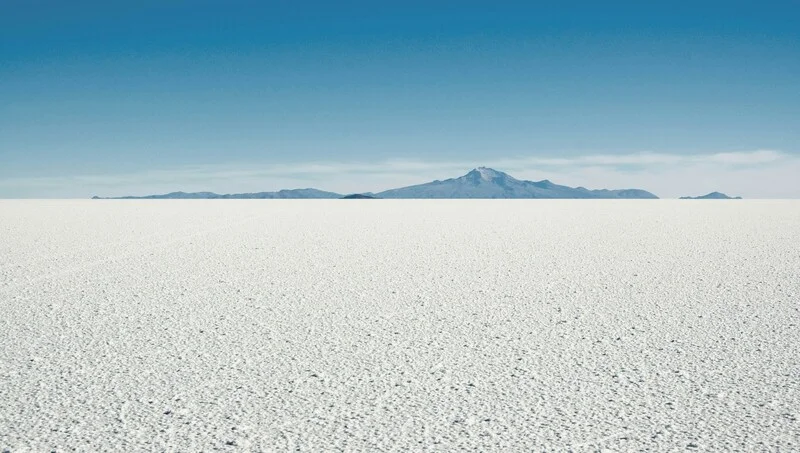
Deep in South America’s dry highlands sits the Lithium Triangle. It covers parts of Argentina, Bolivia, and Chile. The region’s salt flats, or salares, hold the largest and most reachable lithium brine deposits on Earth. For years these resources were known but not central to the world economy. Now they are central. Carmakers such as Tesla, Volkswagen, and BYD need lithium. So do phone makers and solar and wind projects. This demand has made a remote landscape into a global strategic asset. The scale of these reserves is large. You can find out more about the unique geology that creates them. This is not just mining. It is the start of an industrial era driven by electrification.
Beyond Raw Extraction
The story is shifting from simple digging to smarter processing. The biggest value comes from turning raw lithium into materials used in batteries. Countries in the region want to capture more of this value. They aim to move from selling raw lithium to producing battery-grade products and maybe entire battery cells.
Direct Lithium Extraction (DLE) Technology
Old methods relied on huge evaporation ponds. Those ponds can take more than a year to work. They also use a lot of water in places where water is scarce. New methods called Direct Lithium Extraction, or DLE, are changing this. DLE works like a filter. It pulls lithium ions from the brine in hours instead of months. That means higher recovery, less land use, and a smaller water footprint. Companies are pouring money into DLE to make it work at scale. Many see DLE as the key to using the Lithium Triangle cleanly and faster.
The Push for Value-Added Production
Governments are pushing local processing too. Instead of exporting raw lithium carbonate for a low price, they want to make battery-grade lithium hydroxide and other advanced materials. The final goal is local battery manufacture. If factories produce finished battery cells, more profit stays in the country. That also builds technical skills and creates higher-paid jobs far from the salt flats. It is a big shift in how the region sees its resources.
The Economic and Financial Ripple Effect
The boom brings big economic changes beyond the mines. Foreign direct investment is flowing in from North America, Europe, and Asia. That capital reshapes local economies and creates new networks of trade and finance.
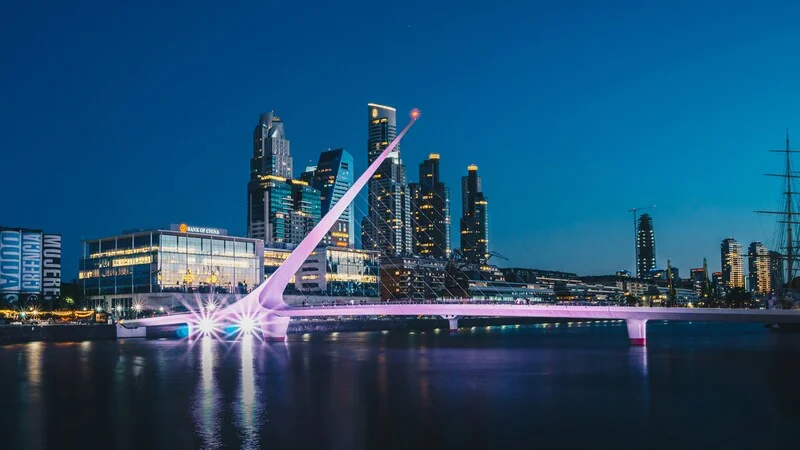
That is where cities matter. Buenos Aires, with a mature financial system and many professionals, is becoming a regional hub. Mining firms, tech startups, and investment funds set up regional offices in business districts like Puerto Madero. They use local law firms for complex contracts and financial experts for raising capital on markets such as Bolsas y Mercados Argentinos (BYMA). Logistics teams in the city plan routes from the Andes to ports and world markets. Buenos Aires is turning into the strategic brain for an industry whose muscles are in the salt flats.
Navigating the Challenges
Becoming a lithium leader is not easy. The opportunities are big, but so are the risks. Success will depend on handling several tricky issues.
- Environmental and Social Governance (ESG): Investors want to see sustainable practices. That means cutting water use, protecting fragile ecosystems, and making sure local and indigenous communities get fair benefits.
- Regulatory Instability: Political shifts can change taxes, export rules, or ownership laws. That creates uncertainty for projects that need long-term investment.
- Infrastructure Bottlenecks: Salt flats are remote. Roads, power, and water systems need major upgrades to support large-scale operations and to move products to ports.
It matters. Many local communities are watching closely. Some leaders welcome jobs and investment. Others worry about water, culture, and land rights.
Governments, companies, and communities must work together. They will need clear rules, good environmental practice, and big infrastructure plans. If they get it right, the Lithium Triangle could bring long-term growth, new industries, and higher-skilled jobs to the region. But it will require care, strong institutions, and thoughtful investment.
The white gold rush is real. The global energy transition needs lithium, and South America holds the key. The coming years will show whether the region can turn raw reserves into lasting value for its people and for the world.