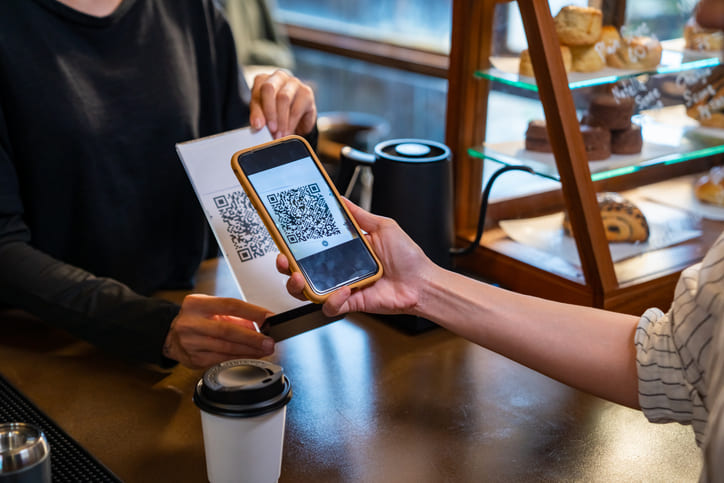
Not too long ago, QR codes were seen as little more than a tech curiosity. You might remember them on the back of a brochure or a product box, often ignored because scanning felt clunky or unnecessary. Fast forward to today, and the story has completely changed.
Thanks to built-in phone scanners, pandemic-driven adoption, and the shift toward mobile-first engagement, QR codes are no longer a side note they’re becoming a staple of modern business. And behind every one of those black-and-white squares is a simple but powerful tool: the QR Code Generator.
This isn’t just about convenience anymore. For companies, QR codes now represent a way to connect directly with customers, measure results, and even cut costs. In other words, they’ve quietly become one of the most versatile digital tools in business.
From Novelty to Everyday Utility
If you rewind a decade, QR codes were underwhelming. Not every phone could scan them, and not every brand knew what to do with them. That all shifted during the pandemic when businesses needed contactless solutions overnight. Menus, ticketing, check-ins QR codes solved it quickly and at scale.
What’s important is what happened after: customers got used to scanning. Once behavior changes at that level, it doesn’t go back. Surveys now show that most people in Europe have scanned a QR code in the last few months, and many prefer it to typing URLs or searching for apps.
Why Businesses Are Paying Attention
So, what’s in it for companies? A lot, actually. Here are four reasons QR codes are climbing the priority list in boardrooms and marketing teams:
- Direct engagement – One scan takes people straight to a product demo, a sign-up page, or a special offer. No friction, no wasted clicks.
- Stretching marketing budgets – Print doesn’t have to be static anymore. A business card or poster with a QR code instantly becomes interactive, without redesigning the whole thing.
- Real-time data – With modern tools, you can see how many people scanned, from which location, and on what device. That’s powerful for campaign tracking.
- Process efficiency – QR codes aren’t just about marketing. They’re used in supply chains, HR onboarding, finance for invoices, and even healthcare.
It’s rare to find a tool that works for both customer engagement and back-office efficiency, but QR codes do exactly that.
Industry Examples You’ll Recognize
What makes QR codes so interesting is that they’re popping up in very different industries.
- Retailers put them on packaging to link to tutorials or loyalty sign-ups.
- Hotels use them for digital room guides or instant feedback forms.
- Healthcare providers let patients check test results or appointment details securely.
- Financial services are rolling out QR-based payments, which are already the norm in much of Asia.
- Event organizers rely on them for everything from ticket entry to networking.
It’s that mix of flexibility and simplicity that explains why adoption is spreading so quickly.
Why the Right QR Code Generator Matters
Of course, making a code is easy but making it work at scale for a business is another story. That’s where using a professional QR Code Generator makes all the difference.
With the right tool, you can:
- Create QR codes that stay dynamic (change the link later without reprinting).
- Add logos, colors, and branding so they feel part of your identity.
- Track results with detailed analytics, not just raw scans.
- Manage multiple codes across campaigns or departments.
And perhaps most importantly, a professional solution offers security and reliability. For industries like healthcare or finance, that’s non-negotiable.
Making QR Codes Work for You
If you’re thinking about using QR codes, here are a few practical tips:
- Don’t overcomplicate it. Keep the landing page simple, mobile-friendly, and focused on one action.
- Add clear instructions. A code alone might confuse tell people what they’ll get when they scan.
- Test before launch. Check it on iOS and Android, indoors and outdoors.
- Keep optimizing. Use the data. If one campaign performs better, figure out why and apply it.
These small steps are often what separate a “nice try” QR campaign from one that genuinely drives results.
Looking Ahead
It’s funny how sometimes the simplest technologies turn out to be the most impactful. QR codes don’t require heavy infrastructure or massive budgets, but they’ve proven capable of changing how people interact with businesses.
Looking forward, expect them to be even more integrated into payments, packaging, loyalty apps, and customer service touchpoints. The businesses that move fastest on this will benefit most, while those that hesitate may find themselves scrambling to catch up.
Final Thoughts
QR codes started as an experiment and ended up as a quiet revolution. For customers, they’re easy and familiar. For businesses, they’re low-cost, trackable, and incredibly flexible.
The key is not to think of them as a gimmick, but as part of your long-term digital strategy. Done right, QR codes can help you engage customers, streamline operations, and unlock data that guides smarter decisions.
Sometimes innovation doesn’t come in the form of a flashy new technology. Sometimes it’s a small square, sitting quietly in the corner, waiting to be scanned.