Buying a VR headset sounds simple at first. You pick one, put it on, and expect instant immersion. Then the details start showing up. Comfort, tracking, display quality, setup, compatibility, and the small matter of whether you will still enjoy wearing it after twenty minutes. That is why it helps to look past the marketing. A good headset is not just the one with the biggest promises, but the one that fits how you actually plan to use it.
Start with the reason you want one
The first question is not which model is best, but what you want from it. Some people mainly want to play games. Others care more about productivity, virtual meetings, training, design work, or education. Those are very different use cases, and they do not all need the same features. A headset that feels perfect for fast-paced gaming may not be the most practical choice for long work sessions. Before comparing specs, it helps to be honest about how often you will use it, what you will use it for, and how much setup you are willing to deal with.
Comfort matters more than specsheets suggest
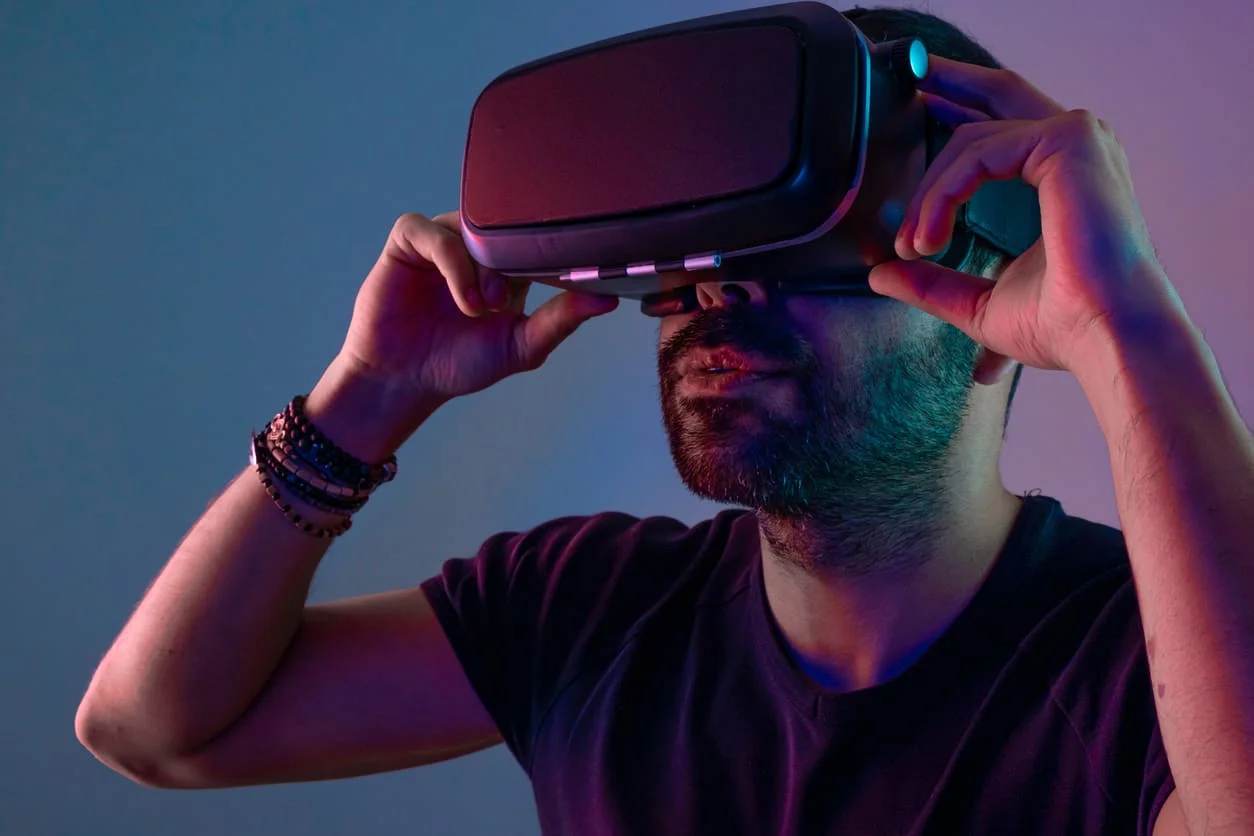
This is one of those things people tend to underestimate. A headset can look impressive on paper and still be annoying to wear. Weight distribution, padding, head strap design, and even how warm it gets during use all make a real difference. You notice that especially during longer sessions. It is a bit like buying a chair for your desk. You do not really care how good it looked in the product photo once your neck starts complaining. A VR Headset should feel stable without pressing too hard, and it should be easy enough to adjust without turning setup into a small engineering project.
Display quality and tracking shape the whole experience
Resolution gets a lot of attention, and for good reason. A clearer image usually means a more convincing experience and less eye strain. But display quality is not just about sharpness. Refresh rate, field of view, color quality, and lens clarity all play a part. Tracking matters just as much. If movement feels smooth and accurate, the experience becomes much more natural. If tracking struggles, everything feels slightly off, and that quickly ruins the sense of immersion. This is often the difference between a headset that feels exciting and one that ends up back in the box after a few uses.
Compatibility and setup should not be an afterthought
A lot of frustration starts here. Some headsets are designed to work on their own, while others rely on a gaming PC, a console, or extra sensors. Neither option is automatically better, but you do need to know what you are signing up for. If you want something quick and simple, a complicated setup will get old fast. If you want higher performance and more advanced experiences, you may need stronger hardware. It is worth checking compatibility early, because nothing kills the excitement of a new device faster than discovering you are missing half the things needed to run it properly.
Disclaimer: This article contains sponsored marketing content. It is intended for promotional purposes and should not be considered as an endorsement or recommendation by our website. Readers are encouraged to conduct their own research and exercise their own judgment before making any decisions based on the information provided in this article.