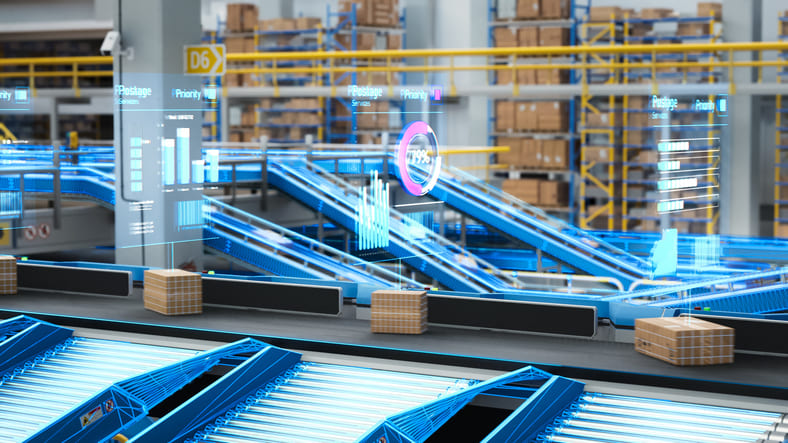
Automation in the packaging process is the realization of the digital transformation in manufacturing. With the advent of the internet, it is almost impossible to ignore innovative solutions as they not only save time but also ensure efficiency in the processes. In this article, we will explore some of the different ways that incorporating automation in the packaging process will benefit your business.
1. Better Efficiency and Productivity
The first and most notable benefit of automation in the packaging process is enhancing your efficiency and productivity. This translates to using systems to automate tasks and reduce the need for manual work. It keeps your production processes ongoing with minimal disruptions, thus ensuring peak productivity at all times.
For example, if you are in a sector that requires constant weighing of products, you can use the net weigher solution. The system allows up to 2,000 weights per hour with up to 50 different parameters. The weighing system is made of high-quality materials, including stainless steel housing and hoppers, to ensure high levels of accuracy, unlike old systems. Regardless of the size of the business, you can easily adjust it to fit your exact needs.
However, accurate weighing alone is only one part of the process. True automation in packaging comes when weighing systems are integrated with packaging machines. These machines do not just take over the filling and sealing process but also ensure consistent packaging quality, reduce product loss, and minimize human error. By combining both automated weighing with automated filling and packaging, companies can achieve a seamless production flow – from dosing the exact amount to delivering a ready-to-ship product. This level of integration is what ultimately drives efficiency, scalability, and competitiveness in modern manufacturing.
Automation in the packaging process provide operators with intuitive Human Machine Interfaces (HMI). Through these, production parameters can be individually adjusted, process data visualized, and any faults or disruptions immediately displayed. This makes it much easier to react quickly and keep operations running smoothly.
In addition, many systems are equipped with predictive maintenance features that continuously monitor performance and can anticipate potential issues before they occur. This combination of transparent machine control and intelligent maintenance significantly reduces unplanned downtime and ensures maximum efficiency in daily production.
2. Reduced Costs
Of course, technology is expensive: Purchasing high-quality machines usually involves a higher investment. This makes it all the more important to consider how this can reduce operating costs in the long term. Automated processes and fully automatic machines can save costs in the long term in the form of personnel costs or reduced wear and tear on materials. Fully automatic packaging machines not only offer higher production output but also a long service life.
Some packaging machines also offer the advantage of reduced compressed air and electricity consumption, which is an additional financial benefit for companies. The availability of replacement materials can also be an issue with durable machines, which is something to consider when purchasing a machine.
3. Improved Transparency and Usability
One of the key advantages of modern packaging machines from STATEC BINDER is the user-friendly HMI panel. Operators can easily control the entire filling and packaging process, make individual adjustments, and access detailed reports. These reports provide valuable insights, such as the number of filled bags, machine performance, and possible error messages.
This not only simplifies daily operation but also supports continuous optimization of production. By having all relevant data at their fingertips, operators and managers gain full transparency over the packaging process, ensuring efficiency, consistency, and reliability.
Conclusion
As you can see, automating your packaging process relies on innovative and efficient solutions to improve your company’s productivity. Automating your end-of-line process enables you to adapt more quickly to changing requirements and higher sales volumes. This improves your efficiency and productivity while ensuring optimized business processes with fewer personnel requirements. With this kind of agility, you can take advantage of unexpected opportunities and set yourself apart from your competitors.