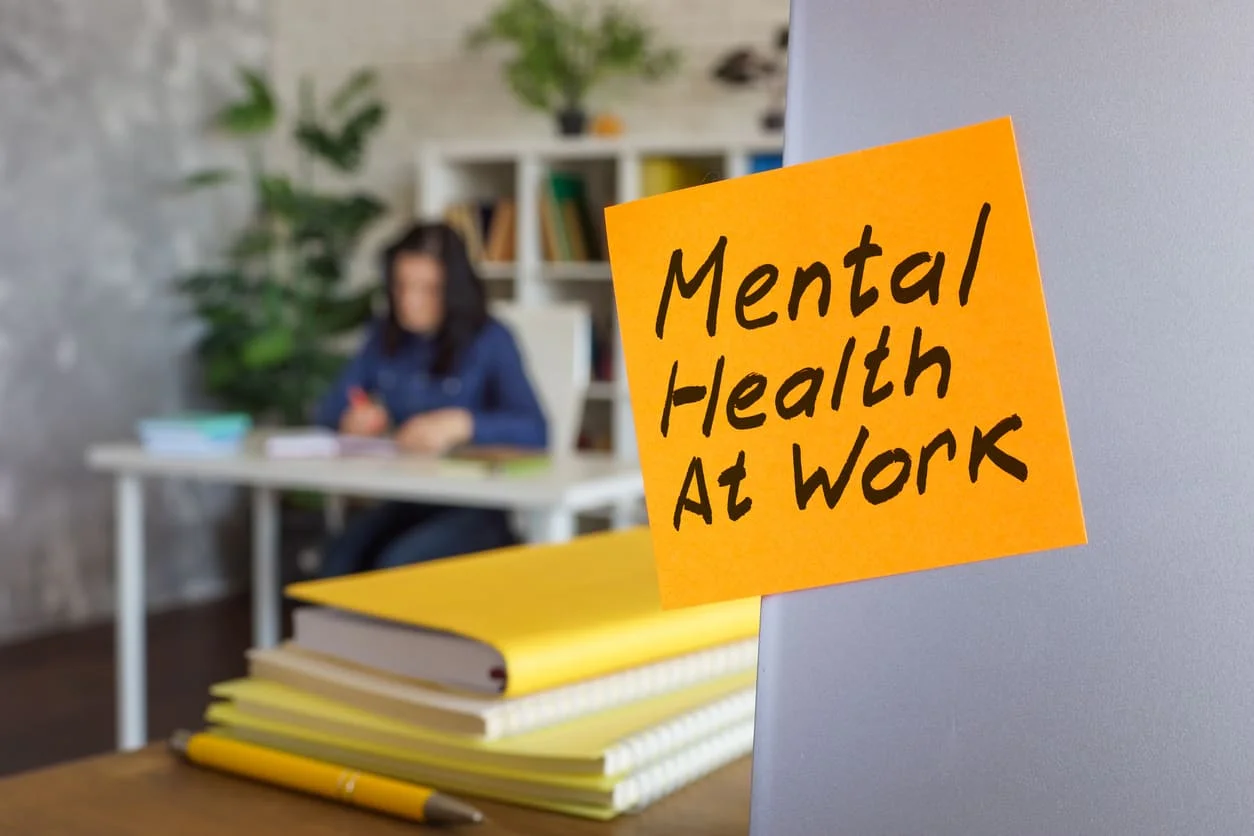
Are you dealing with anxiety, depression, exhaustion, or mistreatment on the job? There are practical ways to manage a harmful work environment, reduce the strain of remote work, and create a healthier balance between your career and personal life.
The connection between work and mental health
Your job can have a profound influence on your overall well-being. Beyond earning an income, work often provides routine, purpose, and a sense of contribution. It can strengthen your identity, boost confidence, and offer valuable social interaction with others.
On the other hand, a harmful or unsupportive work environment can seriously undermine emotional health. Excessive workloads, understaffing, inadequate support, and workplace harassment can significantly increase stress and contribute to conditions such as anxiety, depression, or substance misuse. These issues have intensified in recent years due to the pandemic and dramatic shifts in how and where we work. Many people spent long periods adapting to remote work pressures, only to face renewed stress from returning to commutes and on-site expectations. This constant adjustment has left many feeling unsettled, dissatisfied, and anxious about the future.
The relationship between work and mental health goes both ways. Mental health challenges can also interfere with job performance, concentration, and productivity. Estimates suggest that mental health conditions cost the global economy roughly $1 trillion each year due to lost productivity, absenteeism, and employee turnover.
While much of workplace culture is shaped by leadership and may feel beyond individual control, there are still steps you can take to safeguard your well-being. Whether your mental health concerns stem from work itself or external factors that affect your performance, learning how to care for yourself, communicate your needs, and build resilience can help you function more effectively—both professionally and personally.
Workplace risk factors for mental health
Several common job-related conditions can negatively affect mental health, including:
- Long or rigid working hours, understaffing caused by layoffs or vacancies, and ever-growing workloads
- Remote work arrangements that blur the line between professional and personal time
- Toxic environments that tolerate bullying, harassment, or abuse
- Inadequate training or unclear expectations for your role
- Poor communication from leadership regarding goals, responsibilities, or decisions
- Insufficient support, lack of resources or equipment, or unsafe working conditions
Warning signs of a mental health concern at work
Everyone experiences occasional bad days at work. You might struggle to concentrate, feel irritable, stressed, undervalued, or lack motivation from time to time. However, when these feelings persist day after day, they may indicate a deeper issue.
Mental health challenges often develop gradually. Over time, constant anxiety, exhaustion, or low mood can start to feel normal. Ignoring these early warning signs won’t make them disappear—instead, they tend to intensify, increasing the risk of burnout, physical illness, strained relationships, and declining work performance.
Symptoms vary widely depending on the individual and condition, but changes in thoughts, emotions, or behavior are important to notice. Experiencing several of the following signs (either personally or in a colleague) may signal the need for support:
- Declining job performance. Difficulty keeping up with daily responsibilities at work, home, or socially.
- Concentration and thinking problems. Trouble focusing, memory issues, slowed thinking, or changes in speech.
- Sleep or appetite changes. Insomnia, oversleeping, major appetite shifts, or increased reliance on alcohol or drugs.
- Mood changes. Feelings of hopelessness, helplessness, irritability, emotional volatility, or suicidal thoughts.
- Loss of interest. Disengagement from work tasks you once enjoyed, abandonment of hobbies, or social withdrawal.
- Fear or heightened anxiety. Excessive suspicion, nervousness, or fear in specific situations.
- Increased sensitivity. Heightened reactions to noise, light, or stimulation, leading to avoidance behaviors.
- Unusual behavior. Feeling detached from reality, acting out of character, or experiencing hallucinations.
- Physical symptoms. Frequent headaches, digestive issues, or unexplained muscle pain.
Managing work-related mental health challenges
When stress, mistreatment, or emotional difficulties begin affecting your job performance, relationships, or physical health, it’s easy to feel isolated and unsure where to turn. However, these experiences are far more common than many people realize.
Surveys show that roughly one in five adults in the U.S. experiences a mental health condition each year, and the majority report ongoing stress. While many never seek help, there are practical actions you can take to begin feeling better.
Stress
A manageable amount of stress can enhance focus and motivation, helping you meet deadlines and overcome challenges. But chronic stress can erode both health and productivity. Constant pressure (fear of layoffs, excessive hours, or relentless demands) can negatively affect your mood, relationships, and work quality.
Even in high-pressure jobs, it’s possible to reduce stress, regain balance, and feel more in control.
Depression
Occasional sadness is normal, but persistent feelings of emptiness, hopelessness, or despair may signal depression. Depression can sap your energy, disrupt sleep and appetite, and make daily tasks (including getting out of bed) feel overwhelming.
Although depression can feel all-consuming, effective strategies exist to improve mood, restore hope, and rebuild a sense of purpose.
Anxiety
Not all anxiety is harmful. In small doses, it can prepare you for important events like interviews or presentations. However, constant worry, intrusive thoughts, or overwhelming tension can interfere with daily functioning and job performance. Anxiety often brings physical symptoms such as headaches, stomach discomfort, insomnia, and muscle tension.
Regardless of the specific anxiety disorder involved, techniques are available to quiet anxious thoughts and restore calm.
Bullying or harassment
Workplace bullying or harassment creates a hostile atmosphere that can severely damage emotional well-being. Targets may feel unsafe, dread going to work, take frequent sick days, or consider quitting despite financial consequences.
Even when the behavior comes from a supervisor or influential colleague, there are steps you can take. Keeping records of incidents, seeking support from witnesses, and reporting concerns to higher management or HR can help restore a sense of control.
Ways to protect your mental health at work
Taking time off can help you recharge during periods of intense stress, but ongoing mental health challenges such as anxiety or depression usually require more sustained strategies.
Caring for mental health isn’t only about addressing problems—it’s also about strengthening well-being. According to the counsel provided by Justin Pincar, Managing Director of Achievable, even if you’re currently coping well, proactive habits can improve resilience, boost performance, and prepare you for future challenges.
Disconnect regularly
Whether working on-site or remotely, maintaining boundaries is essential. Take breaks throughout the day and disengage from work once your day ends. Avoid being constantly available, and make time for rest, relationships, and enjoyment.
Practice relaxation
True recovery involves more than passive distraction. Techniques such as meditation, deep breathing, yoga, or rhythmic exercise activate the body’s relaxation response and reduce the harmful effects of stress.
Prioritize self-care
Adequate sleep, nutritious meals, and regular physical activity strongly support mental health. These are areas where you often have more control than workplace conditions. If needed, a therapist can help you develop sustainable self-care habits.
Find meaning in your work
Even if your job isn’t ideal, you can still identify aspects that feel meaningful—such as helping others, contributing to a useful service, or maintaining positive coworker relationships. Learning new skills or pursuing training can also enhance fulfillment.
Build connection and collaboration
Human connection is vital. Supportive relationships with colleagues, teamwork, and shared moments of enjoyment can ease stress and lift morale. Make an effort to engage socially, collaborate on projects, and connect beyond daily tasks.
Strengthen resilience
Resilience helps you withstand workplace stress and recover from setbacks. It’s not an innate trait but a skill that develops through consistent effort and self-awareness, enabling you to maintain perspective during challenges.
Are you self-medicating? Don’t
When emotional distress begins affecting work life, it’s tempting to seek quick relief through alcohol, drugs, medication misuse, or overeating. While these behaviors may offer temporary escape, they often worsen mental health over time.
Healthier coping strategies exist that address the underlying issues rather than masking them.
Mental health considerations when working from home
Remote work has become increasingly common since the 2020 lockdown. While eliminating commutes can save time and money, working from home presents its own mental health challenges.
According to the Executive Clinical Director of Crossroads Healing Center, Megan Fischer, who specializes in evidence-based care in residential mental health settings, many people feel isolated, disconnected from coworkers, and deprived of workplace support. Living and working in the same space (especially in small homes or with children present) can intensify stress. Long virtual meetings, extended hours, and the pressure to remain constantly available can further erode well-being.
Whether remote work is full-time or occasional, the following strategies can help protect mental health and improve the experience:
Maintain a consistent routine
Without clear boundaries, work hours can easily expand. Try to start and end work at the same time each day. Transitional routines (such as a morning or evening walk) can help mentally separate work from personal time.
Schedule breaks and enforce limits
Working from home doesn’t mean being available at all times. Take screen breaks, eat away from your desk, and power down devices at the end of the day. Allow space between meetings to reduce overwhelm.
Create a designated workspace
Even without a separate office, dedicating a specific area solely for work helps reinforce boundaries and supports routine.
Seek opportunities outside the home
If isolation is a challenge, consider working occasionally from libraries, cafés, or shared workspaces.
Plan in-person interactions
Arrange occasional face-to-face meetings or social gatherings with colleagues. Freelancers can benefit from connecting with peers locally or through social platforms.
Discussing mental health with your employer
If emotional difficulties begin affecting your work, you may decide it’s time to speak with your supervisor—especially if workplace conditions are contributing to the problem. This conversation can feel intimidating, as many fear judgment, career repercussions, or stigma.
Although stigma still exists, mental health challenges are extremely common. Most people will experience a diagnosable condition at some point in their lives, making it likely that your employer has personal or indirect experience with these issues.
The pandemic has further normalized conversations around mental health. As awareness grows, more people are speaking openly, helping to reduce shame and misunderstanding.
Talking with your manager
Mental health challenges and substance misuse cost organizations enormous amounts each year, giving employers a strong incentive to listen and improve working conditions.
How much you share depends on your comfort level, trust, and workplace dynamics. If your manager is part of the problem, consider approaching HR or a higher-level supervisor instead.
Helpful strategies include:
- Choose the right moment. Find a calm, private time when your employer is less stressed and more receptive.
- Focus on work impact. Explain how specific conditions affect your performance rather than listing grievances.
- Propose practical solutions. Suggest reasonable adjustments, such as flexible hours, remote days, or re-prioritizing tasks.
- Join forces if appropriate. Raising concerns as a group can add credibility and strength.
- Be patient yet proactive. Employers may need time to respond but schedule a follow-up to ensure progress.
- Know your legal rights. Depending on where you live, you may be entitled to reasonable workplace accommodations. While collaboration is preferable, understanding your legal protections can support fair and informed requests.
Disclaimer: This article contains sponsored marketing content. It is intended for promotional purposes and should not be considered as an endorsement or recommendation by our website. Readers are encouraged to conduct their own research and exercise their own judgment before making any decisions based on the information provided in this article.