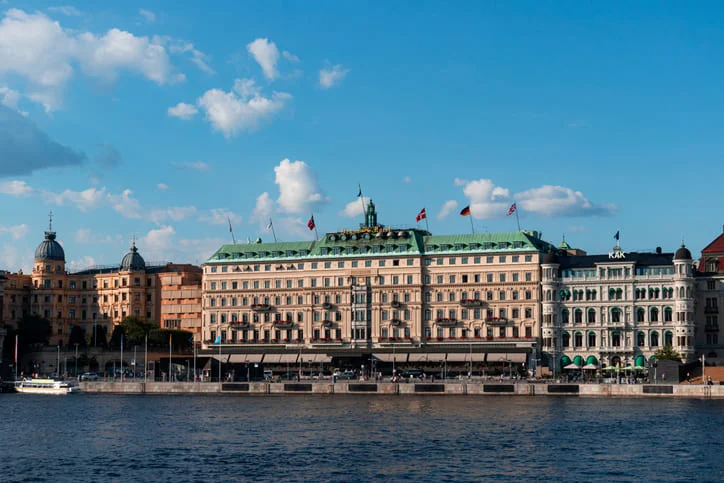
Europe’s luxury hospitality market is entering a new phase of expansion. As investor confidence returns, high-end hotels are taking centre stage in both major capitals and emerging leisure destinations. What began as a recovery in 2024 has evolved into a broader cycle of reinvestment that now spans hotels, branded residences and lifestyle-driven developments across the continent.
From recovery to reinvention
After two years of subdued activity, commercial property investment in Europe rose 4 percent in 2024 to reach €189 billion, with hotels and residential assets driving much of that rebound. Within the sector, hotel transactions grew 34 percent year-on-year to around €19.5 billion. This momentum shows no sign of easing as the industry moves into 2026, with capital increasingly targeting the luxury end of the market.
Investors are drawn to assets that can be rebranded or repositioned for rate growth. Mediterranean markets such as Greece, Croatia and southern Italy are now seeing levels of activity once reserved for Spain, while flagship redevelopments in London and Paris continue to set the tone for urban luxury. A number of tired properties in destinations like Lake Como are also being acquired for conversion into five-star resorts, reflecting confidence in long-term leisure demand.
Parallel growth in luxury real estate
The same trend is visible in the residential market. A recent Research and Markets report forecasts that Europe’s luxury residential real estate sector will grow from US$129.56 billion in 2024 to US$183.29 billion by 2033, at a CAGR of 3.9 percent. Demand is strongest in Germany, France, Italy and the UK, supported by steady inflows of foreign capital and the enduring appeal of Europe’s cultural and lifestyle assets.
Buyers are prioritising properties that combine exclusivity, heritage and design-led innovation — qualities that often mirror the values of luxury hotels themselves. From the French Riviera to the Swiss Alps, the lines between high-end residential and hospitality investment are increasingly blurred. Many new developments now integrate both, offering serviced living and private club-style amenities as part of a single brand experience.
Why investors still favour luxury
Luxury hotels continue to outperform due to their resilience and pricing power. Even in periods of economic uncertainty, affluent travellers show strong loyalty to brands that deliver consistent service and emotional value. As a result, well-positioned assets have retained their profitability despite rising costs and interest rates.
In addition, the luxury segment is adapting faster than others to new guest expectations. Sustainability, wellness and design innovation are now seen as essential rather than optional. Smart energy systems, regenerative design and holistic wellbeing programmes are helping operators maintain margins while appealing to environmentally conscious guests.
The skills behind the surge
This investment wave is also creating new demand for expertise. As investors expand portfolios and operators diversify brands, the industry requires professionals who understand both the financial structure of hotel deals and the dynamics of guest experience.
Institutions such as Les Roches have responded to this shift with courses that blend hotel management, real estate and digital innovation. Their online management programmes make it possible for professionals already working in the field to deepen their strategic and analytical skills, aligning education with the pace of change across global hospitality.
Looking to 2026 and beyond
The outlook for 2026 points to further growth in both urban and resort markets. Portfolio recapitalisations, conversions of older branded hotels into lifestyle properties and cross-border acquisitions are expected to dominate activity. Cities such as Paris, Rome, Madrid and Athens will remain key demand centres, while emerging markets in the Balkans and North Africa are drawing fresh interest from European and Middle Eastern investors.
At the same time, supply in prime destinations will stay constrained by planning restrictions and high construction costs. That scarcity is likely to support rate growth and maintain pressure on investors to innovate in design, service and sustainability.
Europe’s luxury hotel story has always been cyclical, but this latest chapter feels different. It is defined not by recovery alone, but by reinvention — a recalibration of what luxury means in a world where authenticity, wellbeing and creativity matter just as much as five-star ratings.