Land-based fish farming has become one of Europe’s quieter growth stories. Recirculating Aquaculture Systems, or RAS, let producers grow salmon, trout and other species close to major markets, using a fraction of the water that traditional farming requires. Investors have taken note, and so have policymakers looking for ways to make food production more resilient. But talk to the people who actually run these facilities, and a less glamorous topic tends to come up fast: maintenance.
Corrosion doesn’t make headlines the way a funding round does. It’s not the kind of line item that shows up in an investor deck. Yet for many operators, it’s one of the biggest ongoing drains on profitability, a slow, unglamorous cost that erodes margins long after the tanks are filled and the fish are swimming.
Why Steel Struggles in a RAS Environment
A recirculating system is, by design, a humid, chemically active, near-constant-moisture environment. Water treatment involves disinfectants, pH adjustments and organic waste, all of which are unkind to conventional steel structures. Add saltwater species into the mix, or coastal facilities exposed to salt-laden air, and the pressure on metal components multiplies.
The result is a maintenance cycle that never really ends. Walkways need repainting. Handrails need inspection. Gratings corrode faster than expected and get swapped out ahead of schedule. None of this is catastrophic on its own, but added up over a facility’s lifetime, it becomes a meaningful drag on operating costs, and a source of unplanned downtime that’s hard to budget for.
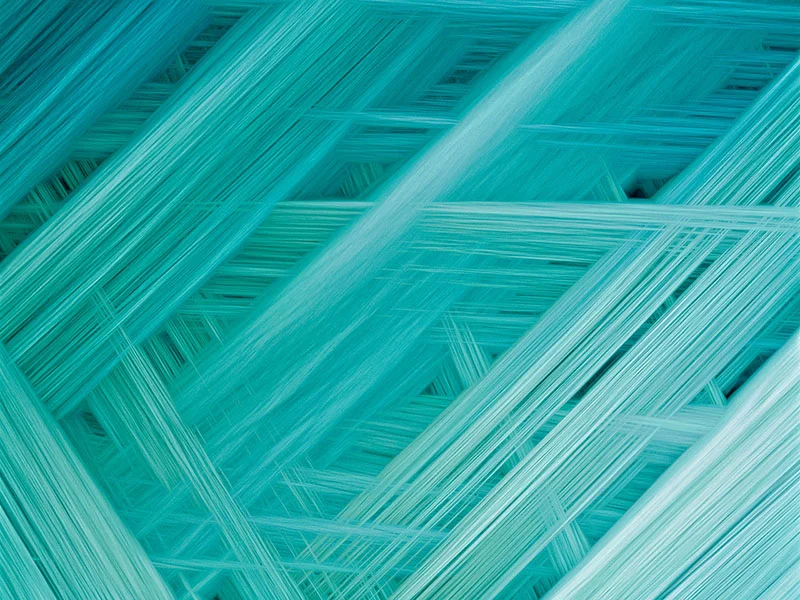
This is precisely the gap fibreglass, or FRP (fibre-reinforced polymer), has been filling in facility design over the past two decades. Producers looking to buy fibreglass for RAS systems are typically responding to a very specific pain point: the need for access infrastructure that can sit in a wet, corrosive environment for years without demanding constant attention.
A Different Kind of Cost Curve
The appeal isn’t just that fibreglass resists rust. It’s that the material shifts the entire cost curve of a facility’s infrastructure. Where steel requires a recurring cycle of inspection, treatment and eventual replacement, FRP structures tend to sit quietly in the background, doing their job without much intervention. That difference compounds over years, particularly for operators running multiple facilities where maintenance crews are stretched thin.
There’s also a weight advantage worth mentioning. Fibreglass profiles are considerably lighter than steel equivalents, which speeds up installation and reduces the structural load on tank systems, a detail that matters more than it might seem when facilities are being retrofitted rather than built from scratch.
Where the Material Actually Fits
It’s worth being precise here: fibreglass isn’t a substitute for the process technology that makes RAS work. The pumps, biofilters and water treatment systems remain the domain of specialist suppliers. Where FRP earns its place is in the surrounding infrastructure: walkways, platforms, stairs, handrails, tank covers and gratings, the parts of a facility that are in constant contact with moisture but rarely get discussed outside engineering meetings.
According to the European Commission’s own assessment of the sector, RAS facilities are drawing increasing interest precisely because they allow production to move closer to consumer markets while reducing water use, a trend that shows no sign of slowing.
The Bigger Picture for European Producers
As Europe’s aquaculture sector matures, the conversation is shifting from whether RAS makes sense to how facilities should actually be built to last. Material choice sits quietly at the centre of that question. It won’t generate the same attention as a new hatchery opening or a production milestone, but for the people balancing the books, it may be one of the more consequential decisions they make.