The Canadian home improvement world isn’t what it used to be. Over the past few years, it’s morphed into a much more technical and professional game. The old lines between building stuff and actually delivering the finished product kind of disappeared, giving rise to these vertically integrated companies that do a bit of everything. If you’re a contractor or renovation entrepreneur, just cranking out a bunch of jobs isn’t what puts you at the top anymore. Now, it’s about bringing real expertise and performance—solutions that tick off energy efficiency rules and that trendy, minimalist look so many homeowners want. Sustainability? That’s not just a box to check for the eco-minded anymore; it’s baked into the regulations, so companies have to rethink their supply chains and how they install just to keep their edge.
A big reason companies grow in this space comes down to strategic partnerships—especially between local service folks and top-notch manufacturers. Take vinyl windows from Window Force, for example. Choosing a reliable brand means you know you’re meeting those tough Canadian energy standards, no matter if you’re in Vancouver or Newfoundland. Vinyl’s pretty much taken over, for everything from basic home upgrades to those sleek, expensive remodels, because it doesn’t wear out easily, is simple to maintain, and actually insulates better than most alternatives. It’s versatile, so you’re not boxed in—you can hit budget jobs or go after high-end clients who want customized looks.
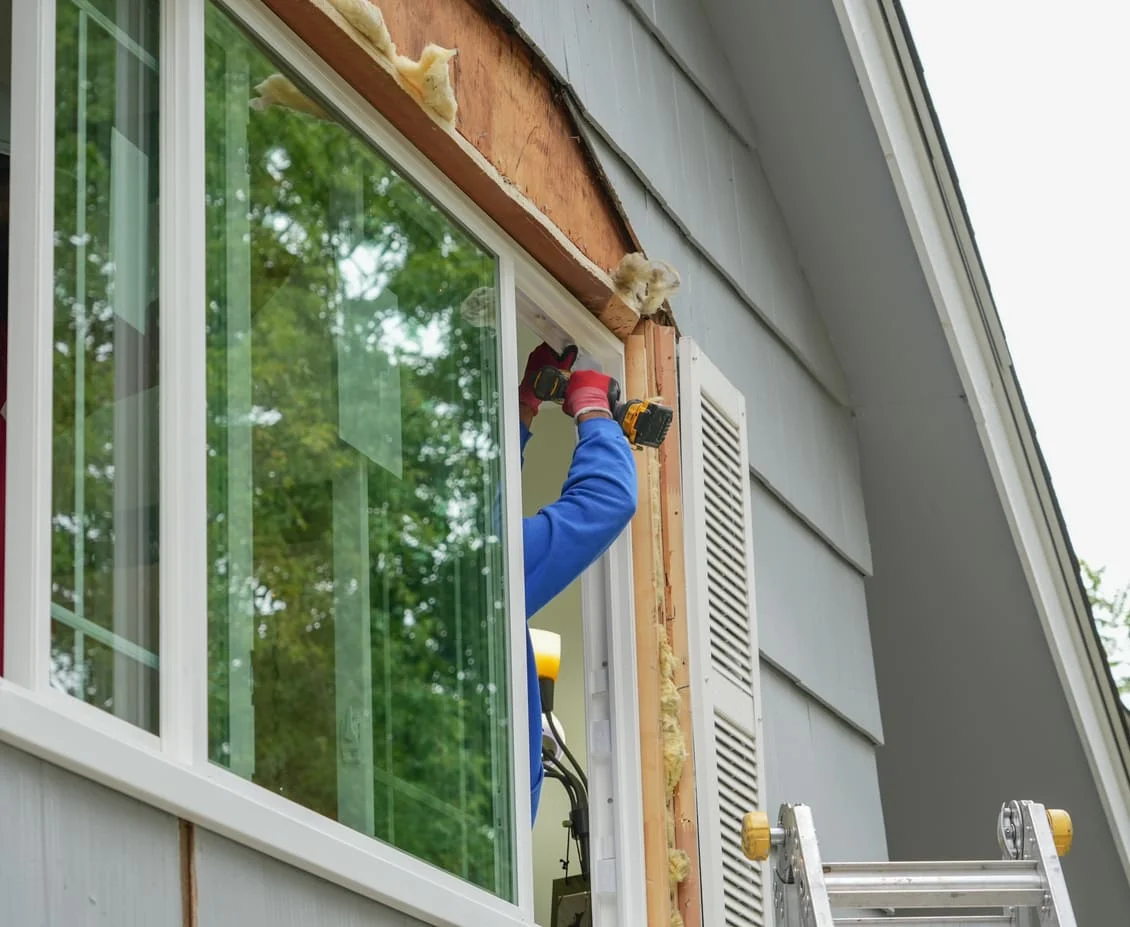
If you’re looking to grow a window and door business, you have to get the technical details right. Single-hung window units are still all over Canadian homes because they’re reliable and save space. They don’t swing out like casement windows, so you don’t have to worry about blocking walkways or cramping up patios. For companies, getting really good at installing these classic models pays off. They’re simple, with fewer mechanical parts, which translates to fewer breakdowns and fewer warranty headaches—good news for the bottom line.
But product knowledge isn’t enough anymore. Inside a successful company, digital tools take over a lot of the heavy lifting. Modern contractors use precision measuring gadgets and smart quoting software to give homeowners a price on the spot—no waiting around, no back-and-forth. People appreciate that level of transparency, especially now that everyone seems wary of hidden costs and dragged-out schedules. By moving the whole process—measurement, quoting, installation, even final inspections—into a digital workflow, small businesses can run lean, react quickly, and go head-to-head with the national brands. The difference? Customers get the personal touch of someone local and engaged, not just another big-box experience.
Right now, sustainability isn’t just a trend—it’s one of the biggest opportunities out there. With government grants and rebates making green upgrades more attractive, homeowners see renovations as investments, not just chores. Contractors who take the time to explain the value of multi-chambered frames and efficient glazing show they’re not just installers, but real consultants. If a company focuses on things like Energy Star products, their clients are more likely to get those green economy perks—and that’s what separates a business that leads from one that just gets by.
Green practices aren’t just about the products, either. More top-tier companies recycle the old frames and glass, and they make a point to buy from local manufacturers. That’s smart; it cuts down shipping pollution, dodges international supply headaches, and it appeals to customers who actually care about supporting their own community. Building this kind of reputation—responsible, invested, and local—really sticks in people’s minds.
Looking to the future, the next big thing for these companies is smart technology. Picture windows that talk to thermostats, helping manage sunlight and warmth automatically, or that come with built-in sensors to catch intruders. Early adopters who get these systems in front of clients are going to stand out—and those upgrades will command higher prices because it’s not just a window anymore; it’s part of your home’s brain.
In the end, real success in this business comes down to a pretty even mix: be a technical expert, run a tight operation, and back it all up with genuine commitment to sustainability. When a company focuses on quality and precision, it can weather the ups and downs of the market and build a long-lasting reputation. This isn’t just some challenge to get through. The whole shift toward smarter, greener, and more efficient home improvement is the foundation for a new—and much more dynamic—era in the industry.