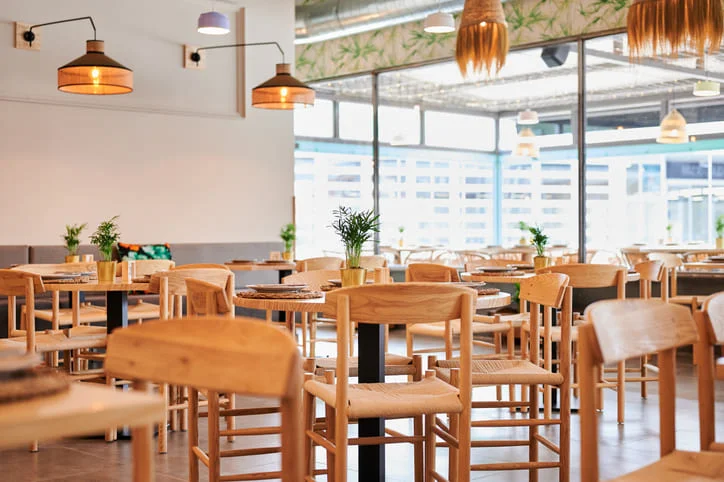
Understanding Wood Restaurant Furniture: Strength, Style, and Longevity
Wood restaurant furniture remains a timeless choice due to its warmth, durability, and versatility. Solid wood options like oak, maple, and beech are commonly used in commercial dining because they withstand daily wear while maintaining visual appeal. Wood restaurant furniture works well in casual cafés, upscale dining rooms, and traditional establishments, offering a natural aesthetic that enhances ambiance. When properly sealed and finished, wooden tables and chairs resist moisture, scratches, and stains. Engineered wood alternatives, such as plywood with hardwood veneers, provide a cost-effective option while retaining strength. The longevity of wood restaurant furniture depends heavily on craftsmanship and maintenance. Regular cleaning, protective finishes, and occasional refinishing help extend its lifespan. For restaurants seeking classic style paired with structural reliability, wood restaurant furniture continues to be a dependable investment.
Metal Restaurant Furniture: Durability and Modern Design Benefits
Metal restaurant furniture is favored for its strength, sleek appearance, and low maintenance requirements. Materials like steel, aluminum, and iron are widely used in commercial dining due to their resistance to impact and heavy traffic. Metal restaurant furniture is especially popular in modern, industrial, and fast-casual concepts where clean lines and minimalist design are key. Powder-coated or treated finishes help prevent rust, corrosion, and chipping, making metal ideal for both indoor and outdoor use. Lightweight aluminum furniture allows easy rearrangement, while heavier steel options provide excellent stability. Metal restaurant furniture also pairs well with wood or upholstered elements, creating a balanced look. For operators prioritizing durability, easy upkeep, and contemporary aesthetics, metal restaurant furniture offers long-term value with minimal replacement costs.
Upholstered Restaurant Furniture for Comfort and Guest Experience
Upholstered restaurant furniture plays a vital role in enhancing guest comfort and encouraging longer dining experiences. Commonly used for booths, banquettes, and padded chairs, upholstery adds softness and support that hard materials cannot provide. Vinyl, faux leather, and commercial-grade fabrics are preferred due to their stain resistance, durability, and ease of cleaning. Upholstered restaurant furniture also helps absorb sound, improving acoustics in busy dining spaces. Color, texture, and pattern choices allow restaurants to reinforce branding and create a welcoming atmosphere. While upholstered restaurant furniture requires more maintenance than wood or metal, selecting high-performance materials minimizes wear and tear. When designed with both comfort and durability in mind, upholstered restaurant furniture contributes directly to customer satisfaction and repeat visits.
Comparing Wood, Metal, and Upholstered Restaurant Furniture Options
Choosing the right restaurant furniture often involves balancing durability, comfort, style, and budget. Wood restaurant furniture offers warmth and tradition but requires consistent maintenance. Metal restaurant furniture excels in strength and modern appeal while remaining easy to clean and long-lasting. Upholstered restaurant furniture provides superior comfort and aesthetic flexibility but demands higher upkeep. Many restaurants combine these materials to achieve optimal results—for example, metal frames with wooden tabletops or upholstered seating with solid wood bases. The best restaurant furniture solution depends on the concept, traffic level, and dining experience you want to deliver. High-turnover restaurants may prioritize metal and wood, while fine dining establishments often favor upholstered options. Understanding the advantages and limitations of each material ensures smarter, long-term restaurant furniture decisions.
Choosing Restaurant Furniture Materials for High-Traffic Environments
High-traffic restaurants require restaurant furniture that can endure constant use without compromising appearance or safety. Materials must resist scratches, spills, and repeated cleaning while maintaining structural integrity. Metal restaurant furniture performs exceptionally well in busy environments due to its toughness and stability. Hardwood and commercial-grade engineered wood are also reliable when treated with protective finishes. Upholstered restaurant furniture in high-traffic areas should use heavy-duty vinyl or performance fabric designed for commercial use. Reinforced joints, non-slip feet, and sturdy frames are essential features to look for. Selecting the right materials upfront reduces repair costs and furniture replacement frequency. For restaurants serving large volumes of guests daily, investing in durable restaurant furniture materials ensures smooth operations and consistent customer experience over time.
Maintenance and Care Tips for Different Restaurant Furniture Materials
Proper maintenance is essential to extend the lifespan of restaurant furniture, regardless of material type. Wood restaurant furniture should be wiped with gentle cleaners and protected from excess moisture to prevent warping. Periodic polishing or refinishing helps maintain its appearance. Metal restaurant furniture requires simple cleaning with non-abrasive solutions and regular inspection for rust or loose joints. Upholstered restaurant furniture needs frequent spot cleaning, routine disinfecting, and prompt attention to spills to prevent stains and odors. Using furniture glides and protective pads reduces floor damage and furniture wear. Scheduled maintenance checks help identify issues early, avoiding costly repairs. With consistent care, high-quality restaurant furniture retains its functionality and aesthetic appeal for years, delivering maximum return on investment.
Conclusion: Selecting the Right Restaurant Furniture Materials for Long-Term Success
Choosing the right restaurant furniture materials is a critical decision that impacts comfort, durability, and overall dining experience. Wood, metal, and upholstered restaurant furniture each offer unique benefits, making it important to align material choices with your restaurant’s concept, traffic levels, and maintenance capacity. Wood adds warmth and tradition, metal provides strength and modern style, and upholstery enhances comfort and guest satisfaction. Many successful restaurants use a combination of these materials to balance performance and design. By understanding how each option performs in real-world conditions, restaurant owners can make informed, cost-effective decisions. Investing in high-quality restaurant furniture and maintaining it properly ensures longevity, operational efficiency, and a welcoming environment that keeps customers coming back.