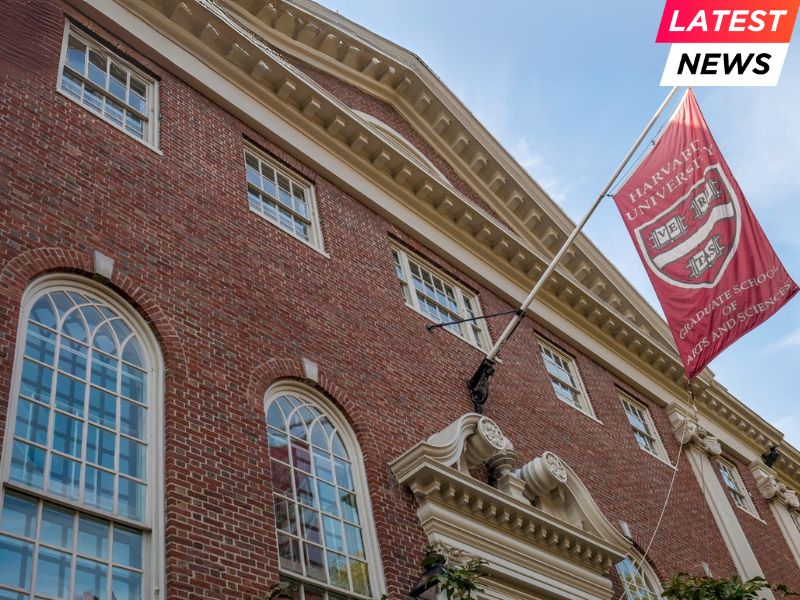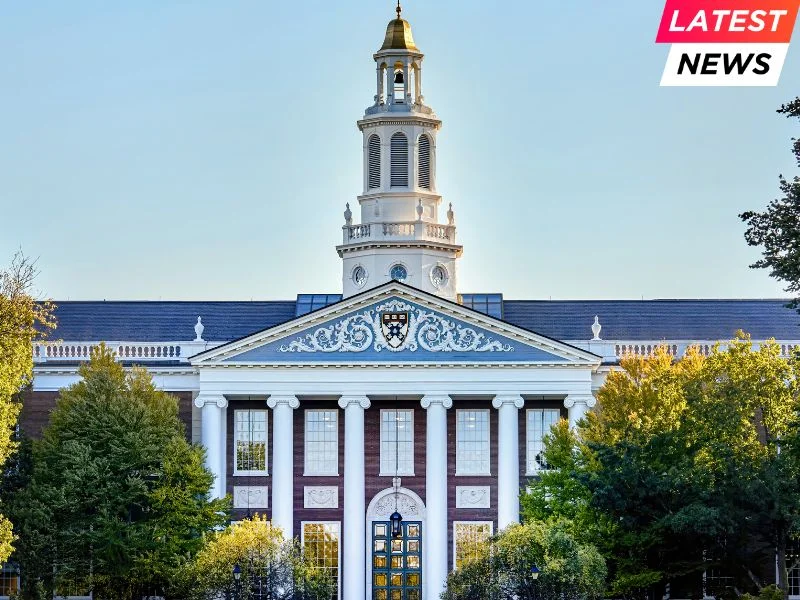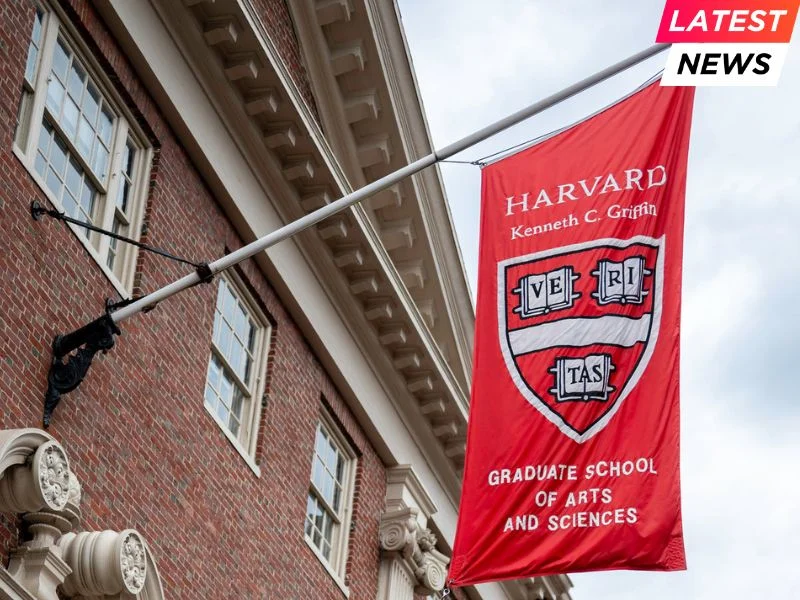
A federal judge on Wednesday handed Harvard University a major victory against the Trump administration, ruling that the White House unlawfully froze more than $2 billion in federal research funding.
US District Judge Allison Burroughs rejected the administration’s claim that the cuts were tied to antisemitism on campus, calling it a pretext for a political attack.
“A review of the administrative record makes it difficult to conclude anything other than that defendants used antisemitism as a smokescreen for a targeted, ideologically-motivated assault on this country’s premier universities,” Burroughs wrote in her opinion.
She added that the freeze jeopardized vital scientific work and undermined constitutional protections. Among the halted projects were research on suicide prevention for veterans, studies on Lou Gehrig’s Disease, NASA technology to measure astronaut radiation, and government-backed work on emerging biological threats. “There is no obvious link between the affected projects and antisemitism,” Burroughs noted.
The ruling immediately lifted an April “Freeze Order” and barred the government from withholding additional funds in retaliation for Harvard’s speech or on discrimination grounds without following federal law. While Burroughs stressed that fighting antisemitism is essential, she ruled that “combatting antisemitism cannot be accomplished on the back of the First Amendment.”
Harvard President Alan Garber welcomed the outcome, saying the decision “validates our arguments in defense of the University’s academic freedom, critical scientific research, and the core principles of American higher education.” He cautioned, however, that the school would monitor legal developments as the White House appeals.
Trump officials vowed to continue the fight. “This activist Obama-appointed judge was always going to rule in Harvard’s favor, regardless of the facts,” White House spokesperson Liz Huston said, arguing the school failed to protect students from harassment.
The standoff marks the most direct challenge by a university to the administration’s broader crackdown on elite schools. While Harvard chose litigation, other institutions have pursued settlements. Columbia University agreed to a $200 million deal in July, and Brown University committed $50 million to local workforce programs. The White House is still in talks with Cornell, Northwestern, and UCLA, with the latter facing a potential $1 billion demand.
Trump has also urged his Cabinet to find new ways to pressure Harvard, including targeting its patents. Commerce Secretary Howard Lutnick recently described those efforts as coordinated across agencies.
The ruling ensures Harvard’s funding for now, but with an appeal looming, the legal and political battle over federal money for research and higher education is far from over.
Related Readings: