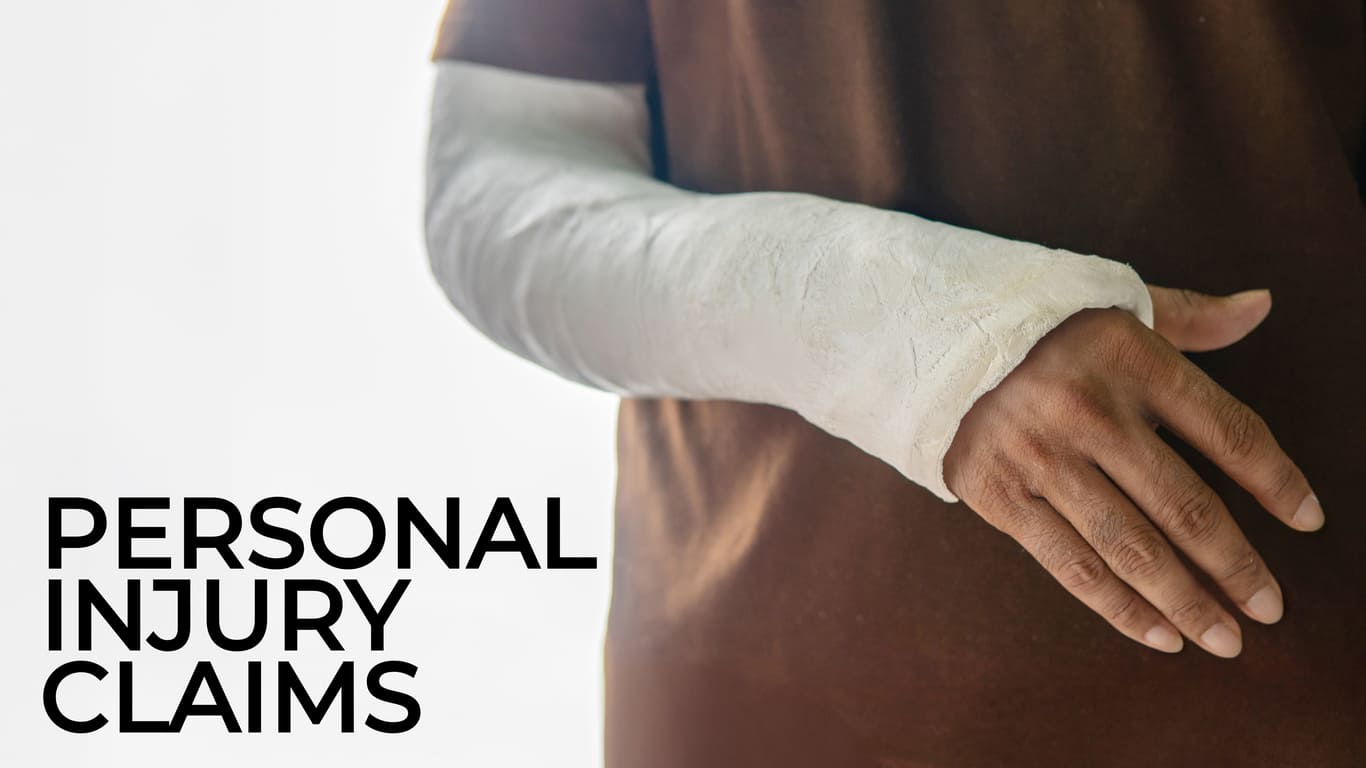
Pain and suffering is one of the most significant parts of a personal injury claim, but it is also one of the hardest to prove. Unlike medical bills or lost wages, there is no receipt or clear number that shows what you have gone through.
Physical pain, emotional distress, and the impact on your daily life are often subjective, which makes insurance companies more likely to question or minimize them. Without the right approach, you may end up receiving far less than you deserve.
In this article, you’ll learn how to prove pain and suffering and strengthen your personal injury claim.
Medical Records and Doctor Diagnoses
Medical records and doctor diagnoses are one of the strongest forms of evidence when proving pain and suffering in a personal injury claim. These documents provide an official and professional record of your injuries, showing exactly what medical condition you were diagnosed with and how it is linked to the accident. They also help establish the severity of your injuries, the treatment required, and the expected recovery time.
Doctors’ notes can clearly describe your level of pain, physical limitations, and ongoing symptoms, which helps support your claim for non-economic damages such as pain and suffering. Regular follow-ups and consistent treatment records further strengthen your case by showing that your condition is ongoing and not temporary.
Even Philadelphia electric scooter & e‑bike accident lawyers at Cousin Benny Injury Lawyers, shares, “Insurance companies rely heavily on medical documentation because it is considered objective evidence. Without proper medical records and diagnoses, it becomes much harder to prove the true impact of your injuries on your daily life.”
Pain Journals and Daily Symptom Logs
Pain journals and daily symptom logs are important tools for proving pain and suffering in a personal injury claim. These records allow you to document your physical and emotional condition on a day-to-day basis, showing how your injuries affect your normal life over time. By consistently writing down your pain levels, discomfort, limitations, and emotional struggles, you create a clear timeline of your recovery process.
For example, you can note when pain is worse, what activities you are unable to perform, how long you can sit or stand, and any sleep disturbances or emotional stress. This type of personal documentation helps show the ongoing nature of your suffering, which may not always be fully captured in medical reports.
Testimony from Medical Experts
Testimony from medical experts plays a crucial role in proving pain and suffering in a personal injury claim. Medical experts, such as doctors or specialists, provide professional opinions about the severity of your injuries, the expected recovery process, and the long-term impact on your health. Their testimony helps explain how the accident caused your condition and why you continue to experience pain or limitations.
Unlike general medical records, expert testimony adds deeper analysis and credibility to your claim. These experts can clearly describe the level of pain you are likely experiencing, how it affects your ability to work or perform daily activities, and whether your condition may lead to permanent damage or chronic discomfort.
Timothy Allen, Sr. Corporate Investigator at Oberheiden P.C says, “Insurance companies and courts place significant weight on expert opinions because they are based on medical knowledge and experience. This makes medical expert testimony a powerful form of evidence when seeking fair compensation for pain and suffering.”
Statements from Family and Friends
Statements from family and friends can be powerful evidence when proving pain and suffering in a personal injury claim. These individuals often see your daily life before and after the accident, making them valuable witnesses to the changes in your physical abilities, emotional state, and overall quality of life. Their observations can help show how your injuries have affected your normal routines and relationships, says Bill Sanders, from CocoFinder.
For example, family members may notice that you struggle with basic tasks, avoid social activities, or experience mood changes due to ongoing pain. Friends can also confirm that you are less active or unable to participate in activities you once enjoyed. These personal accounts help create a clearer picture of your suffering that medical records alone may not fully capture.
Insurance companies and courts often consider these statements as supporting evidence because they provide real-life insight into your condition. When combined with medical documentation, they strengthen your claim for pain and suffering damages.
Photographic and Video Evidence of Injuries
Photographic and video evidence of injuries can be very effective in proving pain and suffering in a personal injury claim. Visual proof helps clearly show the physical impact of an accident, such as bruises, swelling, cuts, or the use of medical aids like bandages, braces, or wheelchairs. This type of evidence provides a direct and undeniable record of your condition at different stages of recovery, says Alfred Christ, Digital Marketing Manager at ROKR.
Videos can also demonstrate how your injuries affect your movement, daily activities, and overall ability to function. For example, difficulty walking, sitting, or lifting objects can be clearly shown and help support your claims of ongoing pain and limitation.
Proof of Emotional and Psychological Impact
According to Stephen J. Bardol, Esq, Managing Attorney of Bardol Law Firm, “Proof of emotional and psychological impact is an important part of proving pain and suffering in a personal injury claim. Injuries are not only physical; they can also affect a person’s mental health and emotional well-being. After an accident, many individuals experience anxiety, depression, stress, fear, or even post-traumatic stress disorder (PTSD), especially if the event was severe or life-changing.”
Medical reports from psychologists or psychiatrists can provide professional evidence of these conditions. Therapy records, counseling notes, and prescribed medications for anxiety or depression also help support your claim. These documents show that your emotional suffering is real, ongoing, and directly related to the accident.
Conclusion
Proving pain and suffering in a personal injury claim requires strong and consistent evidence that clearly shows how the accident has affected both your physical and emotional well-being.
Medical records, pain journals, expert testimony, and statements from family and friends all work together to build a complete picture of your condition.
Each type of evidence plays an important role in showing not only the severity of your injuries but also the ongoing effects on your quality of life. Without proper documentation, it becomes difficult to justify the full value of your claim.