

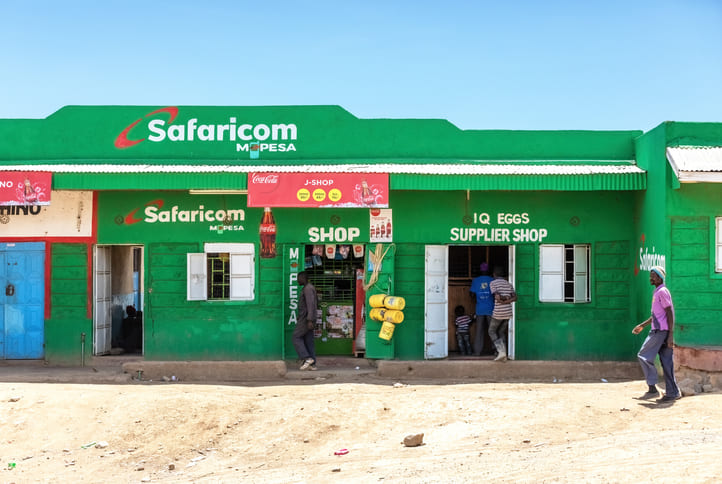
Eight shops in Kenya received an unusual phone menu in 2005. It was meant for loan repayments. Customers found a better use: sending money to other people.
Digital apps still live or die by what happens after installation. Comparisons of all casino apps cover games and bonuses, but also deposit and withdrawal steps. Safaricom’s test was even plainer: would people exchange cash for a text message?
The Loan Experiment That Went Off Script
Vodafone’s Nick Hughes had been working on a way for borrowers to repay small loans by phone. The pilot, built with Susie Lonie and partners in Kenya, began in October 2005 with eight agent shops. About 500 customers took part. Nobody had asked them to invent a new money-transfer service.
They did it anyway. A borrower who received funds could pass some to a relative. They sent money instead of merely repaying lenders. In those messages, Safaricom saw a business much larger than debt collection.
When M-Pesa launched nationally on 6 March 2007, its promise was direct: send money home. The service counted 19,671 active customers a month later. By November it had passed one million. Smartphones weren’t needed.
The First Problem Was Behind the Counter
Early agents faced an awkward demand. A customer would arrive, show an electronic balance and ask for banknotes. Why should a shop assistant hand over cash because a phone said so? The team had to explain the system and organise funds for payouts.
That detail matters. M-Pesa did not replace cash overnight. It needed places where cash could enter and leave the network. Agents needed notes for withdrawals and electronic value for deposits. Run short of either, and the neat phone menu became useless.
Safaricom recruited existing airtime sellers instead of building a bank branch on every street. Customers knew those counters. Shopkeepers earned fees, and Safaricom extended its network. By March 2026, Kenya had about 333,000 M-Pesa agents.
Where the Billion Dollars Comes From
The biggest number in M-Pesa’s accounts isn’t its revenue. In the financial year ended March 2026, customers moved about KSh 41.7 trillion through the service. Safaricom did not earn anything close to that amount. Most belonged to customers.
Actual M-Pesa revenue reached KSh 182.7 billion, up 13.4% from the previous year. That works out to roughly US$1.4 billion at an exchange rate near 129 shillings per dollar. The wallet had become a major business inside a telecom company.
Safaricom earned fees across several services:
- Consumer payments: KSh 74.6 billion in revenue, including everyday payments.
- Business payments: KSh 56.7 billion, from money moving between firms and customers.
- Cash withdrawals: KSh 36.8 billion, still a substantial part of the service.
- Financial services: Nearly KSh 10 billion from lending, savings and insurance products.
Withdrawals earned slightly less than the year before. Payments kept growing. M-Pesa no longer had to wait for someone to turn a phone balance back into cash.
A Shop Payment Changes More Than a Money Transfer
Picture a merchant at closing time. Cash needs counting and safeguarding. With a digital sale, the payment is recorded as it happens. That record helps if something goes wrong.
Safaricom built products for that routine, including till payments and bill collection. A shop accepting M-Pesa makes the wallet more useful to its customers. Those customers then give the next shop a reason to accept it. Each new counter helps the others.
The accounts show the change. M-Pesa represented 45.6% of Safaricom Kenya’s service revenue in the year ended March 2026. Not bad for a feature that started as a way to repay loans. The phone network mattered, but payments now rivalled traditional telecom services.
Why the Next App Cannot Simply Copy It
Building a payment screen is one job. Winning shopkeepers’ trust and keeping agents supplied with cash are harder. Safaricom spent years on the unglamorous ones.
A phone can have other demands on its owner’s attention. During a 150-second strategic timeout in T20 cricket, viewers may check match chat, shopping offers or casino apps while television advertisers fight for a quick look. M-Pesa doesn’t need that pause. Someone waiting to pay for bread has a more pressing reason to reach for the phone.
The early customers were right to ignore the original loan-repayment script. They found the repeat use that made the service stick. Safaricom supplied the agents, trust and payment network to support it. The billion-dollar revenue followed years later, one ordinary transaction at a time.
Disclaimer: This article contains sponsored marketing content. It is intended for promotional purposes and should not be considered as an endorsement or recommendation by our website. Readers are encouraged to conduct their own research and exercise their own judgment before making any decisions based on the information provided in this article.