Ask any experienced commercial property owner about their biggest regret, and many will mention a repair they put off for too long. A small roof leak that eventually damaged ceilings and tenant fit-outs. Blocked gutters that overflowed during a storm and flooded a warehouse. An air-conditioning system that failed in the middle of summer, leaving tenants furious and the owner facing an emergency replacement bill.
These problems rarely appear without warning. They usually start small and grow when maintenance is deferred. Preventative maintenance, the practice of inspecting, servicing and repairing building components before they fail, is one of the most effective ways to protect property values, keep tenants happy and control costs. Even something as simple as scheduling a gutter repair service before the wet season can prevent damage worth far more than the repair itself.
Reactive maintenance costs more
Many owners operate on a reactive basis, fixing things only when they break. It can seem cheaper in the short term, because money isn’t spent until something goes wrong. But reactive maintenance tends to be more expensive over time.
Emergency repairs often attract premium call-out rates. Damage spreads when problems aren’t addressed early. Tenants may experience disruption, leading to complaints, rent disputes or even lease terminations. Insurance claims can become complicated if damage results from neglected maintenance.
Preventative maintenance shifts the focus from fixing problems to avoiding them. It allows owners to plan works, budget accurately and reduce the risk of unexpected failures.
Key areas to focus on
Every building is different, but some components deserve particular attention.
The roof and gutters protect the entire building from water. Regular inspections can identify damaged sheets, rusted fixings, cracked flashings and blocked gutters or downpipes. Clearing debris and repairing small leaks before heavy rain can prevent costly water damage.
Heating, ventilation and air-conditioning systems are among the most expensive building services to replace. Regular servicing improves efficiency, extends equipment life and maintains comfortable conditions for tenants.
Fire safety systems must be maintained according to legal requirements. Sprinklers, alarms, extinguishers, emergency lighting and exit signs need routine inspection and testing to ensure they work when needed.
Electrical and plumbing systems should also be inspected regularly. Faulty wiring, leaking pipes and blocked drains can cause safety hazards, disruption and damage.
External areas, such as car parks, paving, fencing, lighting and landscaping, affect both safety and presentation. Cracked surfaces can create trip hazards, while poor lighting can raise security concerns.
Building a maintenance plan
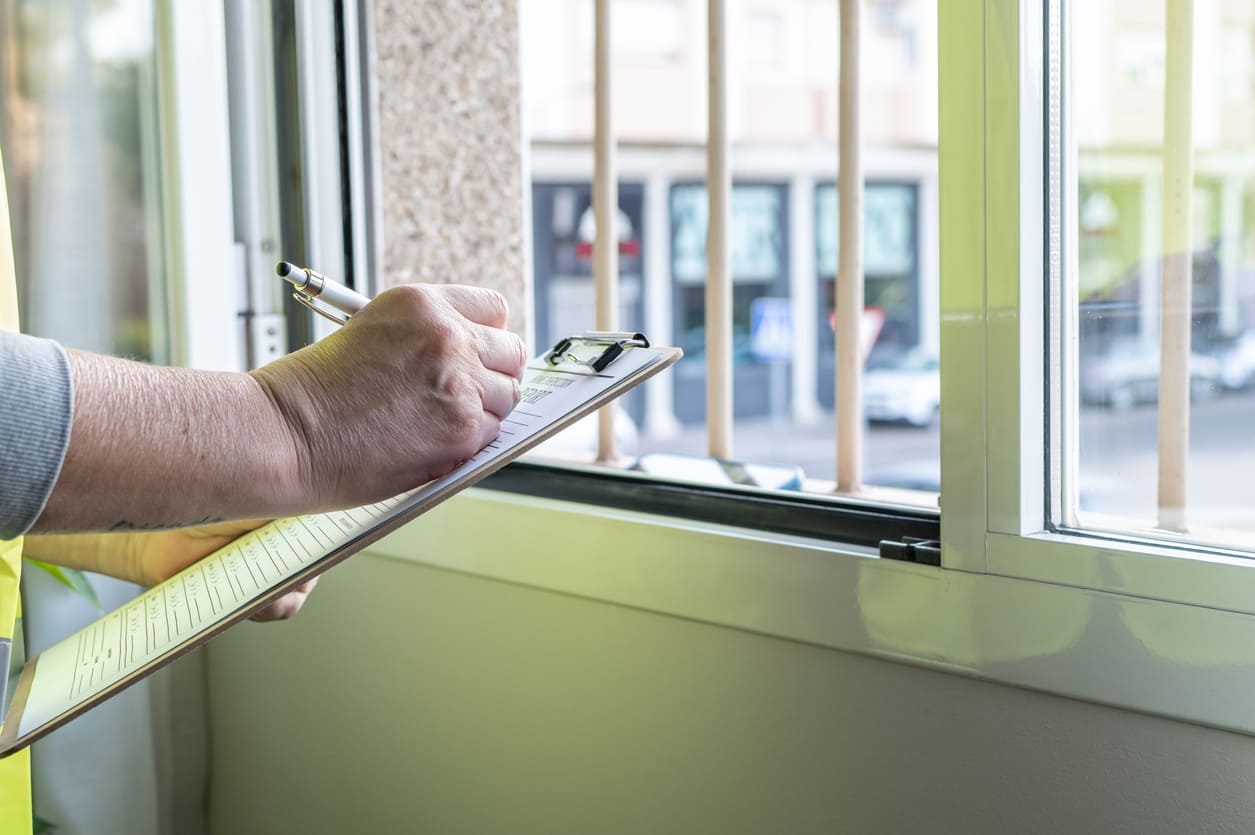
A preventative maintenance plan sets out what needs to be inspected or serviced, how often and by whom. It may include monthly, quarterly and annual tasks, along with longer-term capital works.
Start with a condition audit of the building. Identify major components, their age, condition and expected remaining life. Use this information to schedule routine maintenance and plan for replacements before failures occur.
Keep detailed records of inspections, repairs and servicing. Good records help track performance, support compliance obligations and provide useful information for future buyers, valuers and insurers.
Consider the lease structure. Some maintenance costs may be recoverable from tenants, while others remain the owner’s responsibility. Clear communication about obligations helps avoid disputes.
Technology can help owners stay on top of it all. Property management software can schedule inspections, send reminders when servicing is due and store reports, photos and invoices in one place. Some buildings now use sensors to monitor equipment performance, energy use or water leaks, alerting owners to problems before tenants notice them. These tools make it easier to manage multiple properties and keep a clear history of each asset.
The wider benefits of staying ahead
Preventative maintenance protects more than the physical building. It supports tenant satisfaction, which is critical in commercial property. Tenants who experience fewer disruptions and well-maintained premises are more likely to renew leases, reducing vacancy periods and leasing costs.
Well-maintained properties also tend to hold their value better and present more attractively to buyers and financiers. They may operate more efficiently, reducing energy and water costs.
From a risk perspective, preventative maintenance helps owners meet legal obligations for safety and compliance, reducing the likelihood of accidents, fines or claims.
Choosing reliable contractors is part of the equation. Look for licensed professionals with experience in commercial properties, clear reporting practices and the ability to respond quickly when issues arise. Strong relationships with trusted contractors make maintenance smoother and more predictable.
Commercial property is a long-term investment, and like any valuable asset, it needs ongoing care. By shifting from reactive repairs to planned preventative maintenance, owners can protect their buildings, keep tenants satisfied and avoid the costly surprises that come from leaving small problems unattended.
Disclaimer: This article contains sponsored marketing content. It is intended for promotional purposes and should not be considered as an endorsement or recommendation by our website. Readers are encouraged to conduct their own research and exercise their own judgment before making any decisions based on the information provided in this article.