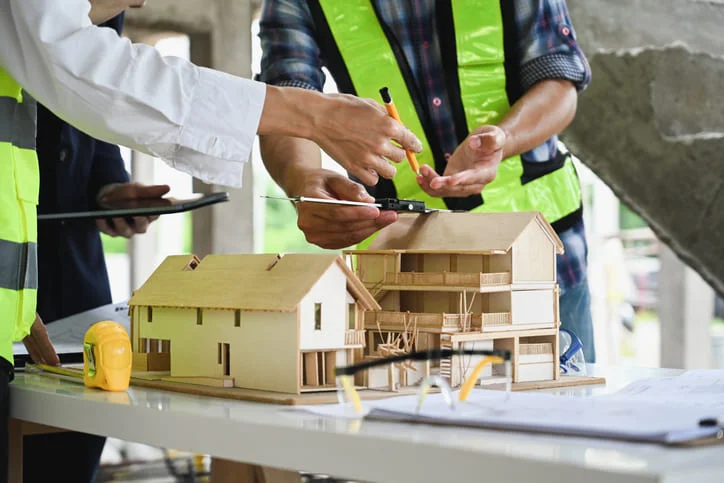
Safety plays a key part in the design of commercial properties. Whether an office building, a retail outlet, or a hospitality venue, the environment must be safe for all who use it, including customers, employees, and tradespeople.
Thoughtful design choices significantly reduce the number of accidents, streamline day-to-day operations and keep businesses aligned with their health and safety obligations.
It’s more than just box-ticking, though. Safety in a commercial environment is not just about meeting regulatory requirements; it’s also about creating an environment where people always feel safe. This means that factors such as lighting, flooring, signage and general maintenance need appropriate attention without corners being cut.
In this blog, we examine safety in commercial properties and how it can be incorporated into the design stage.
Why safety is a priority in commercial design
Workplace safety is not only a legal requirement, but it’s also an important part of running a business. Customers and colleagues feel more reassured in a property that doesn’t pose significant risks or have glaring safety concerns, which could lead them to favour working from home or shopping elsewhere.
Prioritising safety means minimising incidents and disruptions and maintaining or improving productivity. Furthermore, safety-led design can help businesses avoid unnecessary downtime, costly legal fees, large compensation payouts, and reputational damage. By planning with a proactive mindset that prioritises risk reduction and safety, workplaces naturally become more resilient and efficient.
Smart layout and space planning
The layout of the commercial space plays a major role in how safely people can move through it. Poorly designed layouts are not only ineffective from a productivity standpoint but also increase the risk of accidents.
Clear walkways and well-defined routes ensure that employees and customers can move safely throughout the building. Should machinery, specialist equipment, or delivery areas be required, consideration must also be given to ensuring they are located away from customer and visitor areas where possible.
Emergency exits must remain clearly marked and accessible at all times, with no obstructions. With a well-designed layout, you not only improve safety but also enhance the building’s flow.
Lighting and visibility
Lighting is a critical element in commercial property design. It is often overlooked with an “out of sight, out of mind” thought behind it. However, reduced or poor visibility is likely to increase the potential for accidents.
Key areas such as corridors, staircases, entrances, and outdoor paths must be adequately lit. This allows those passing through these areas to have a clear view and to observe any potential hazards.
Well-lit environments also help enhance the effectiveness of safety signage. If an emergency arises, clear visibility will be key to safe evacuation, and locating safety equipment will be essential. Special attention must be given to emergency lighting systems. This lighting system will activate during a power failure and help people find exits quickly and safely.
The right flooring for a safe environment
Flooring is crucial. The wrong surface type can lead to countless accidents, rapid deterioration and costly repairs and maintenance. People will frequently move through the property, so the flooring chosen needs to match the footfall it will see.
You’ll have to factor in the potential for slip and trip hazards from spillages, wet weather, tears and splits. This means that entrances, kitchens, toilets, warehouses and all other high-traffic areas need particular attention.
Selecting the right materials helps to reduce the risk of accidents. Look for durable, non-slip flooring that can withstand high foot traffic, is water-resistant, and, if possible, has antimicrobial properties. With such features, everyday hazards can be reduced or even eliminated.
Safety signage and communication
Your commercial property must be clearly signed to indicate emergency exits, fire evacuation points, machinery guidelines, and more. With clearly signposted guidance, employees and visitors can navigate environments safely and avoid risks.
Safety signage can highlight potential dangers, indicate restricted areas and provide emergency guidance. Wayfinding signage helps building occupants move confidently through unfamiliar spaces, reducing confusion and congestion.
Temporary signage can also be useful. Remembering to check wet-floor, maintenance, or restricted-access signs helps alert people to short-term hazards, preventing accidents before they happen.
With effective safety communication, everyone in the building remains aware of potential risks and knows how to respond appropriately.
Ongoing maintenance and inspections
Even the most carefully designed commercial space can become unsafe if it is not properly maintained. Regular inspections and preventative maintenance are essential for identifying hazards before they lead to accidents.
Routine checks should include flooring conditions, lighting systems, stairways, handrails, and signage. Any damage, wear, or potential risks should be addressed promptly to maintain a safe environment. Incorporating these checks into opening and closing procedures is often a consideration for many businesses.
Cleaning procedures are also an important part of workplace safety. Spills, debris, and clutter can quickly create slip-and-trip hazards if not managed effectively.
By maintaining a proactive approach to maintenance, businesses can ensure their spaces remain safe and functional over time.
Creating a safety-first workplace culture
While design and infrastructure are important, workplace safety also depends on the people who use the space every day. Encouraging a culture where safety is taken seriously can further reduce risks and improve overall awareness.
Employees should feel comfortable reporting hazards, potential risks, or maintenance issues when they arise. Providing appropriate safety training can also help staff recognise hazards and follow safe practices.
When safety is integrated into everyday operations, businesses create environments where employees and visitors feel protected and supported.
Designing commercial spaces with safety in mind requires thoughtful planning, appropriate materials, and ongoing maintenance. From effective layouts and proper lighting to clear signage and suitable flooring, every design decision helps reduce risk.
By taking a proactive approach to safety, businesses can create environments that protect employees, customers, and visitors while supporting efficient day-to-day operations. Even small improvements, such as ensuring adequate lighting or selecting the most suitable flooring, can significantly reduce the risk of accidents.
Ultimately, prioritising safety in commercial design is not only about compliance but about creating spaces where people can work, move, and interact with confidence.