It needs to be usable.
That’s the difference most families discover after trying—and failing—to set up something that looks like a traditional gym. Large equipment sits unused, routines don’t stick, and the space slowly turns into somewhere to store things instead of use them.
The real goal isn’t to build a gym. It’s to create a space where movement actually happens—without needing to plan for it.
Why Most Home Workout Spaces Don’t Work
The problem isn’t effort—it’s design. Most families try to recreate a gym setup at home, but daily life doesn’t support that structure. Equipment that requires time, setup, or coordination ends up being ignored.
It’s not because people don’t care; it’s because the space doesn’t match how they actually live.
What This Looks Like on a Real Day at Home
In most homes, space is already being used for something else. A corner next to the couch that usually just sits empty. A small area near the TV where kids play. A spot that ends up being where someone scrolls on their phone at the end of the day.
That’s usually where movement starts. Not in a dedicated “gym zone,” but in a space that already exists. When that space is easy to use, people don’t need to decide to work out—they just start moving.
When Movement Is Already Part of the Room
The environment changes behavior more than motivation. If starting requires clearing space or setting things up, most people won’t do it consistently. But when movement is already built into the room, it becomes easier to begin without thinking about it.
Something as simple as a rebounder trampoline can shift how a space is used. Kids treat it as play, adults use it for light movement, and it doesn’t require a “start time.” That’s what makes it effective: It’s already there.
The Mistake Most Families Make With Equipment
The mistake most families make is thinking more equipment creates more motivation—it usually does the opposite. Too many options create hesitation.
People don’t know where to start, so they don’t start at all. A simple setup works better because it removes decisions. When there’s only one or two things available, people use them.
A Simple Setup That Actually Gets Used
If you’re starting from scratch, don’t build a full setup. Start smaller than you think.
Clear a small area first, add one versatile tool—perhaps a pair of weights for a dumbbell muscle building workout—and use it for a week before adding anything else. This allows the space to become part of your routine instead of something separate from it. In most homes, that’s enough to begin. You don’t need a full room; you need a starting point.
Why Less Structure Leads to More Participation
Families don’t follow strict routines well. Schedules change, energy levels vary, and someone is always busy. That’s why flexible movement works better than structured workouts.
Some people join for a few minutes. Others stay longer. Kids move in and out of the activity. Participation matters more than structure.
How Movement Fits Into a Normal Day
Movement doesn’t need its own time slot. It fits into moments that already exist. After dinner, during a break, or in the middle of a slow afternoon—these are the times when activity actually happens. No one announces it; it just starts. And that’s what makes it repeatable.
Why Accessibility Changes Everything
The easier it is to start, the more often it happens. That’s the rule most people underestimate.
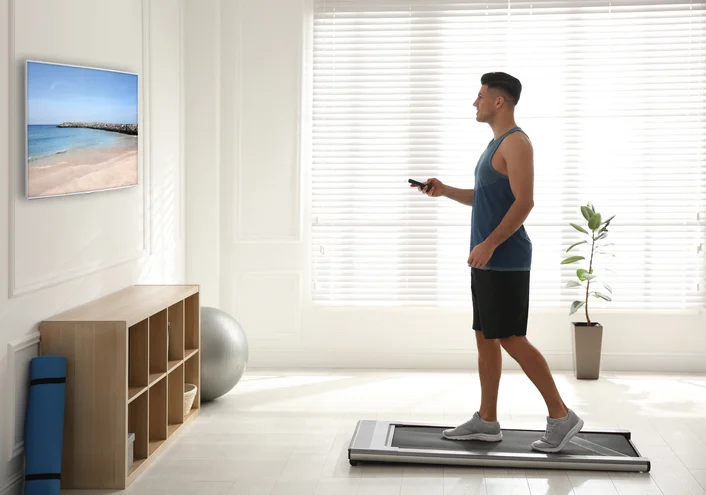
Having simple home fitness equipment available in the same space where daily life happens removes the gap between intention and action. There’s no transition, no setup, and no delay. That changes behavior faster than any plan.
What Changes After a Few Weeks
At first, it feels inconsistent. Some days it happens, some days it doesn’t. But after a few weeks, something shifts.
People stop asking whether they should move. Kids start using the space without being told. Adults join in without planning to. It becomes part of the environment—not a task, but just something that happens.
Conclusion: Build for Real Life, Not for Perfection
Creating a home workout space for a family isn’t about building something impressive. It’s about building something that fits into how people actually live.
Start small. Keep it simple. Let the space adapt to your routine instead of forcing a new one. Because the best setup isn’t the one that looks like a gym—it’s the one that people actually use.